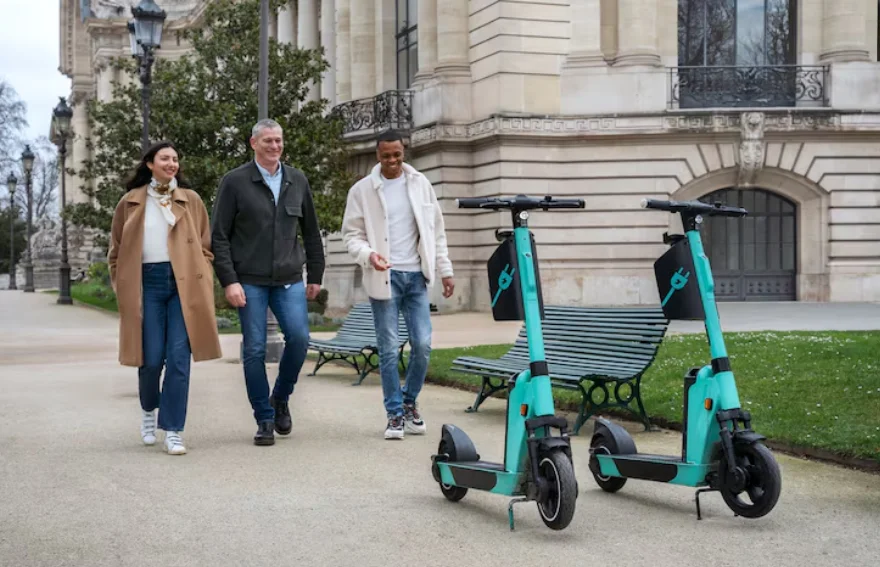
Picture this: You’re weaving through Toronto’s morning rush on Yonge Street, the skyline hazy with early fog off Lake Ontario. The air is crisp, a reminder that winter’s bite isn’t far off, yet you’re moving effortlessly, powered by a quiet hum rather than the growl of an engine. This isn’t a dream; it’s the everyday reality for thousands of Canadians embracing electric bikes and scooters as game-changers for city life. In a country where vast distances meet dense urban cores, these lightweight electric wonders are bridging the gap between convenience and sustainability. They cut through traffic jams, slash commute times, and keep you dry under those unpredictable prairie showers or coastal drizzles.
As more riders ditch cars for these agile alternatives, the conversation naturally extends to other nimble options in the electric mobility space. While e-bikes and scooters dominate the streets, enthusiasts are also turning to even more compact innovations like electric unicycles for tight maneuvers in crowded bike lanes. If you’re curious about dipping your toes into that world, you can Shop Electric Unicycles Online to explore models suited for urban explorers.
What makes electric bikes and scooters such a perfect fit for Canadian lifestyles? It’s their ability to adapt to our diverse landscapes, from Vancouver’s seawall paths to Montreal’s pothole-pocked avenues. These vehicles aren’t just toys; they’re practical tools reshaping how we navigate our neighborhoods. Let’s dive into their rise, benefits, and how they stack up against each other, all while keeping an eye on the road ahead.
The Surge in Popularity: A Canadian Boom
Canada’s love affair with electric mobility is no fleeting crush. Shared micromobility systems, which include e-bikes and e-scooters, logged a staggering 24 million trips across the country in 2023, marking a 40 percent jump from the previous year. This growth stems from expansions in station-based bike shares in cities like Calgary and Ottawa, where e-bike fleets have ballooned to meet demand. Dockless e-scooters, meanwhile, doubled their trips to four million, fueled by rollouts in Alberta and British Columbia. It’s a sign that Canadians are ready to pedal, scoot, or glide toward greener habits.
This isn’t hype; it’s happening in real time. In urban hubs, where public transit can feel like a sardine can during rush hour, these options offer freedom. A quick spin on an e-bike from Kitsilano to downtown Vancouver? Under 20 minutes, no parking stress. And with battery tech improving, ranges now stretch 50 kilometers or more on a single charge, enough to outpace a TTC streetcar in stop-and-go traffic. The appeal lies in their simplicity: Unlock via app, ride, dock or park. No keys, no gas, just go.
Why Electric Bikes Are Leading the Charge
Electric bikes, or e-bikes, blend the best of traditional cycling with a boost from a discreet motor. Pedal-assist models kick in when you need them, making hills feel flat and headwinds negligible, perfect for those gusty days in Winnipeg or the steep climbs of Victoria’s Fairfield district. They’re not about laziness; they’re about extending your ride. Studies show e-bike users cover three times the distance of regular cyclists, turning a casual jaunt into a viable commute.
Comfort is key here. With wider seats, adjustable handlebars, and even cargo racks for grocery runs, e-bikes suit everyone from fitness buffs to parents shuttling kids to hockey practice. In Canada, where winters demand versatility, fat-tire e-bikes conquer snow-slicked paths, while commuter models with fenders handle the slush. Environmentally, they’re stars: One e-bike replaces hundreds of car trips annually, cutting urban emissions by up to 95 percent compared to solo drives.
But it’s the health angle that seals the deal. That motor doesn’t do all the work; you still get a workout, burning calories while easing joint strain. For older riders or those with mobility tweaks, it’s liberating. Imagine zipping from a Saskatoon suburb to the river valley without breaking a sweat. E-bikes democratize cycling, making it accessible year-round.
Electric Scooters: The Agile Urban Ally
Enter electric scooters: The spry siblings to e-bikes, built for speed and storage. Lighter and more foldable, they slip under a desk at work or onto a GO Train during peak hours. Top speeds hit 25 kilometers per hour, ideal for short hops like crossing Edmonton’s river valley bridges or dodging Halifax’s harbor fog. Their narrow profile shines in pedestrian-heavy zones, where an e-bike might feel bulky.
Scooters excel in spontaneity. Need to grab coffee in Kensington Market? Unfold, throttle up, and you’re there in minutes. Battery life varies, but many models offer 20 to 40 kilometers per charge, with quick USB ports for top-ups at cafes. Cost-wise, they’re wallet-friendly starters, often half the price of entry-level e-bikes, drawing in students and young professionals testing the waters.
Yet, their portability comes with trade-offs. Less stable on rough terrain, they’re best for smooth pavement, not gravel trails in Banff’s outskirts. Still, for last-mile links, pairing a scooter with transit is genius. Hop off the SkyTrain in New Westminster, scoot to your door, and fold it away. In a nation of sprawling suburbs, this flexibility reduces car dependency, easing parking woes in places like Mississauga.
Head-to-Head: E-Bikes vs. Scooters for Canadian Riders
So, which reigns supreme? It boils down to your routine. E-bikes win for endurance and versatility. Their seated posture and pedal power suit longer routes, like commuting from Scarborough to the Distillery District, 15 kilometers of mixed terrain. Range? Up to 100 kilometers for some, with motors tunable for eco-mode on battery-savers. They’re also more stable, crucial on icy Quebec City streets.
Scooters counter with nimbleness and ease. Standing demands balance, but it’s fun, almost playful, for zipping through Calgary’s +15 walkways. They’re lighter, under 15 kilograms, versus e-bikes’ 20-plus, making them theft-deterrent urban nomads. However, bumpier rides can jolt, and storage is trickier without a dedicated spot.
In Canada, weather tips the scales. E-bikes’ enclosures shield against rain better, while scooters’ open decks invite puddles. Cost of ownership? Both low, with minimal maintenance beyond tire checks and battery swaps. Insurance? Often optional, unlike mopeds. For families, e-bikes haul more; for solos, scooters store simpler.
The magic happens in hybrid use. Many riders own both: E-bike for the haul, scooter for errands. Shared fleets amplify this, with apps tracking availability in real-time. As infrastructure grows, think protected lanes in London, Ontario, both thrive.
Environmental Wins and Safety Smarts
These rides aren’t just personal perks; they’re planetary helpers. Canada’s e-scooter sharing market is projected to hit $35.5 million by 2025, signaling broader adoption that could offset thousands of tons of CO2 yearly. E-bikes, with their human input, amplify efficiency, reducing fossil fuel reliance in gridlocked metros.
Safety, though, demands respect. Helmets are non-negotiable, especially on scooters’ zippy turns. E-bikes’ lower center of gravity aids control, but visibility counts: Lights and bells cut risks in dim Maritime evenings. Cities are stepping up with education campaigns and bike boxes at lights. Riders report feeling safer than on roads, thanks to dedicated paths, but vigilance pays off.
Looking Ahead: A Charged Future
The horizon buzzes with promise. Battery breakthroughs promise lighter packs, solar-integrated frames, and swappable cells for seamless charging. Smart integrations, like GPS theft alerts, add peace of mind. Governments, from federal rebates to provincial lane grants, fuel this shift, aligning with net-zero goals.
For Canadians, it’s about reclaiming streets. Whether pedaling an e-bike along the Rideau Canal or scooting past Niagara’s falls, these tools foster connection. They nudge us toward active, aware living in a vast land of possibilities.
Ready to join? Start small: Rent, test, then commit. Your next commute could redefine your day, one electric whisper at a time.