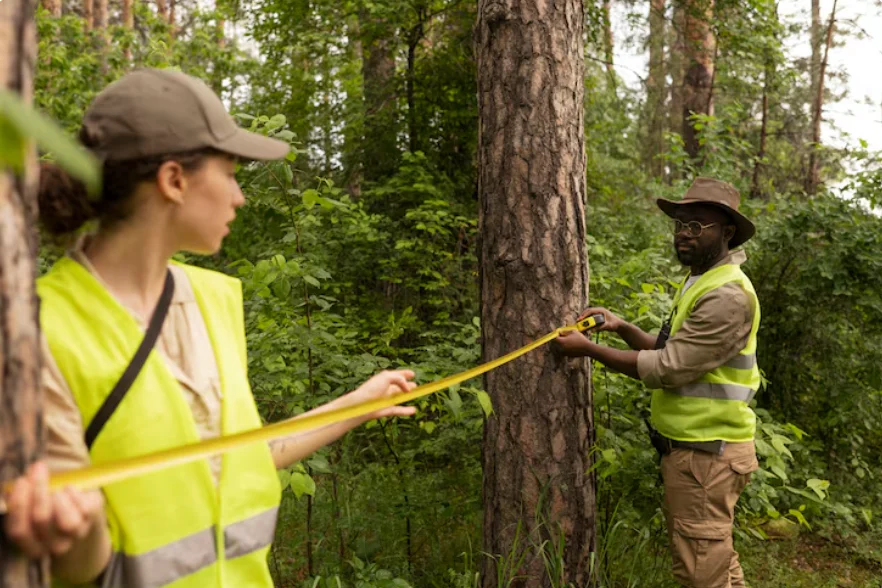
Forestry is a vital discipline that encompasses the management, conservation, and sustainable utilization of forests for ecological, economic, and social benefits. Forests are critical to the health of our planet, serving as habitats for countless species, regulating climate, preserving soil and water resources, and providing raw materials such as timber and non-timber forest products. The practice of forestry ensures that these essential ecosystems are managed responsibly to maintain their biodiversity and long-term productivity while supporting human needs. In this article, we will explore the principles of forestry, its key practices, the benefits it provides, and the challenges faced in maintaining healthy forest ecosystems.
The Importance of Forestry
Forestry plays a central role in maintaining ecological balance and promoting sustainability. Forests act as carbon sinks, absorbing carbon dioxide and mitigating the effects of climate change, while also producing oxygen that is essential for life. They protect soil from erosion, regulate water cycles, and provide a habitat for wildlife, contributing to biodiversity conservation. Effective forestry management ensures that these ecological functions are preserved, even as forests are utilized for human needs such as timber production, recreation, and research. In addition, forests have cultural, educational, and aesthetic value, offering spaces for outdoor activities, spiritual experiences, and scientific study. By combining conservation with sustainable use, forestry provides a framework for balancing environmental protection with social and economic objectives.
Key Practices in Forestry
Forestry involves a wide range of practices aimed at managing and sustaining forest ecosystems. These practices are designed to meet the diverse objectives of forest management, including timber production, wildlife habitat preservation, soil and water protection, and recreational opportunities. Some of the key practices include:
Forest Management and Planning
Effective forest management begins with careful planning to determine the most appropriate use of the forest while maintaining its ecological integrity. Forestry professionals assess factors such as tree species composition, age distribution, soil quality, topography, and potential environmental threats to develop management plans. These plans outline strategies for harvesting timber, reforestation, habitat protection, and sustainable resource use. Modern forestry relies on tools such as Geographic Information Systems (GIS), remote sensing, and forest inventory techniques to monitor forest health, track changes over time, and make informed management decisions. Planning ensures that forests remain productive and resilient, supporting both ecological and economic goals.
Reforestation and Afforestation
Reforestation, the process of replanting trees in deforested areas, and afforestation, the creation of new forests in previously non-forested regions, are fundamental practices in forestry. These initiatives help restore degraded ecosystems, enhance carbon sequestration, improve soil stability, and support biodiversity. Forestry professionals select suitable species based on local climate, soil conditions, and ecological objectives, ensuring that the newly planted trees thrive and contribute to the overall health of the forest. Reforestation and afforestation also provide opportunities for community involvement and environmental education, fostering a sense of stewardship and raising awareness about the importance of forests in sustaining life on Earth.
Sustainable Timber Harvesting
Timber is one of the primary resources obtained from forests, and sustainable harvesting practices are essential to prevent overexploitation and ecological degradation. Forestry professionals employ methods such as selective logging, reduced-impact logging, and rotational harvesting to ensure that tree removal does not compromise the health or regeneration capacity of the forest. These practices help maintain biodiversity, protect soil and water resources, and support long-term economic benefits from forest products. Sustainable timber harvesting also integrates monitoring systems to track the growth and recovery of trees, allowing forest managers to adjust strategies as needed and minimize environmental impact.
Wildlife and Habitat Conservation
Forests are home to a vast array of plant and animal species, and forestry practices are designed to preserve these habitats. Maintaining a diverse range of vegetation types, protecting critical breeding areas, and establishing wildlife corridors are strategies used to support species survival and ecological balance. Forestry also involves managing invasive species, controlling diseases, and mitigating human-wildlife conflicts to ensure that forests remain resilient and ecologically functional. By integrating wildlife conservation into forest management, forestry contributes to the protection of biodiversity while allowing for sustainable use of forest resources.
Fire Management and Pest Control
Forest fires and pest infestations can have devastating effects on forest ecosystems, and proactive management is essential in forestry to reduce these risks. Fire management strategies include controlled burns, firebreak construction, and community education programs to prevent accidental wildfires. Pest control measures involve monitoring insect populations, using biological control methods, and applying environmentally safe treatments to prevent widespread damage to trees and vegetation. Effective forestry integrates these risk management practices into broader forest planning efforts, ensuring that forests remain healthy and resilient in the face of natural and human-induced threats.
Benefits of Forestry
The benefits of forestry extend far beyond the provision of timber and other forest products. Forests contribute to climate regulation by absorbing greenhouse gases and moderating local temperatures, helping to mitigate the impacts of climate change. They play a key role in protecting soil from erosion, maintaining water quality, and regulating hydrological cycles, which supports agriculture, prevents flooding, and ensures the availability of clean water. Forestry also supports biodiversity, providing habitats for countless species and contributing to ecosystem stability.
In addition to ecological benefits, forestry provides significant economic and social advantages. Forests supply raw materials for construction, paper, fuel, and medicinal products, supporting industries and creating employment opportunities. Recreational activities such as hiking, birdwatching, and ecotourism generate revenue while promoting physical and mental well-being. By combining environmental stewardship with sustainable resource use, forestry ensures that forests continue to provide these benefits for future generations.
Challenges in Forestry
Despite its importance, forestry faces numerous challenges that threaten the health and sustainability of forest ecosystems. Deforestation, driven by agriculture, urban expansion, and illegal logging, is one of the most pressing issues, resulting in habitat loss, reduced biodiversity, and increased greenhouse gas emissions. Climate change exacerbates these challenges by altering precipitation patterns, increasing the frequency of extreme weather events, and affecting tree growth and forest health.
Other challenges include invasive species, pests, and diseases that can decimate native vegetation, as well as conflicts between economic development and conservation objectives. Forestry professionals must balance the demands of resource extraction with the need to preserve ecosystem services, often requiring innovative management strategies, policy interventions, and community engagement to achieve sustainable outcomes.
Forestry Education and Research
Education and research are essential components of effective forestry. Universities, research institutions, and forestry organizations conduct studies on forest ecology, silviculture, conservation biology, and climate impacts to develop evidence-based management strategies. Training programs for forestry professionals equip individuals with the skills needed to implement sustainable practices, conduct forest inventories, manage wildlife habitats, and mitigate environmental risks. Public education initiatives also play a critical role in raising awareness about the importance of forests, promoting responsible behavior, and encouraging community participation in conservation efforts. Through research and education, forestry continues to evolve as a discipline, adapting to new challenges and improving the effectiveness of management practices.
Conclusion
Forestry is a multifaceted discipline that integrates ecological, economic, and social considerations to ensure the sustainable management of forest ecosystems. By combining careful planning, sustainable resource utilization, reforestation, wildlife conservation, and proactive risk management, forestry provides critical benefits to both humans and the environment. Forests serve as carbon sinks, protect soil and water resources, support biodiversity, and provide raw materials and recreational opportunities that enhance quality of life. Despite the challenges posed by deforestation, climate change, and pests, ongoing research, education, and professional management strategies help ensure that forests remain resilient and productive. Forestry is more than a profession or practice; it is a vital approach to maintaining the balance between human needs and environmental sustainability, ensuring that forests continue to thrive for generations to come.

Why Traditional Home Gyms Fall Short Against Smart Mirrors

How to build an options stock list based on liquidity and volatility screening?

Shillong Teer Result Today – Data Trends, Patterns & Comprehensive Insights