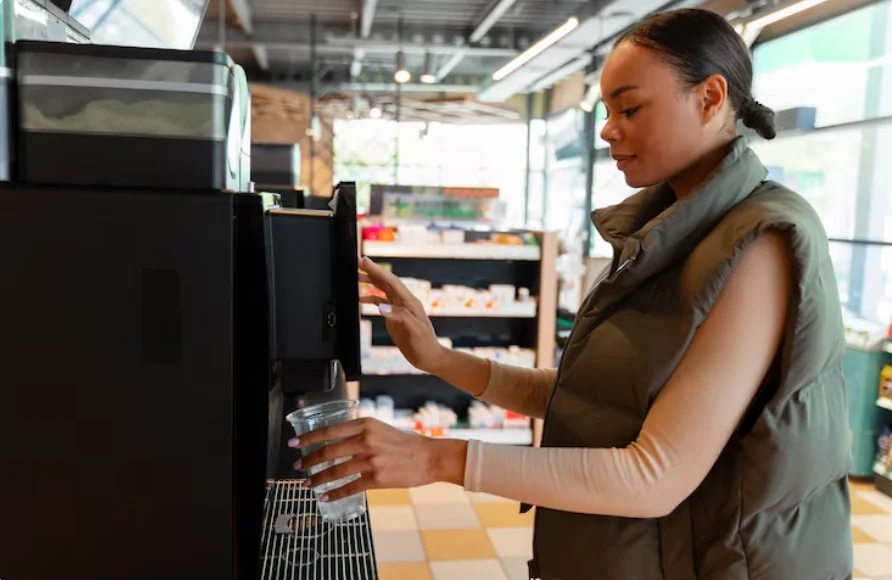
Deciding to buy vending machines in Australia for your business isn’t just about offering snacks to employees or customers. It’s about creating an additional revenue stream, improving workplace satisfaction, and reducing operational headaches that come with traditional retail setups. I’ve watched businesses transform their break rooms and customer-facing spaces by strategically placing the right machines in the right locations. The vending industry in Australia has matured to the point where machines are reliable, easy to manage, and capable of handling diverse product lines. But success depends on understanding your specific business needs, choosing appropriate equipment, and implementing smart management practices. Just buying a machine and plugging it in won’t cut it anymore. You need a real strategy.
Match Machine Type to Your Business Environment
Not all vending machines serve the same purpose or audience. If you’re running an office building, you’ll want combination machines that offer both snacks and cold drinks with enough capacity to serve your employee count. A small office with 20 people needs different equipment than a warehouse with 200 workers. Industrial settings might benefit from machines that dispense safety equipment, work gloves, or first aid supplies alongside food and beverages.
I’ve seen gyms install specialized machines focused on protein products, health bars, and sports drinks. Retail locations might prioritize machines that complement their existing offerings without directly competing. A clothing store could stock phone accessories and personal care items. The point is to think about what your specific audience actually needs in that moment and location, not just what’s traditionally been in vending machines. Check usage patterns after installation and adjust inventory based on real data rather than assumptions.
Implement Cloud-Based Monitoring Systems
Modern vending machines connect to cloud platforms that give you complete visibility into performance metrics. You can check inventory levels, sales data, and machine health from your phone without physically visiting each unit. This technology eliminates the guesswork and reduces labor costs associated with route management.
The systems track which products sell best at different times of day or week. If energy drinks spike on Monday mornings, you’ll know to stock more of those and fewer items that sit there taking up space. Some platforms even integrate with accounting software, automatically recording sales and reconciling cash or card transactions. I find that businesses waste tons of time manually tracking vending revenue and inventory when automated systems handle it better and faster. The upfront cost of smart-enabled machines pays for itself through operational efficiency.
Optimize Pricing and Product Mix for Maximum Profit
Pricing strategy matters more than people think. Set prices too high and you’ll see low sales volume. Price too low and you’re leaving money on the table or operating at a loss. Research what similar machines in your area charge, then factor in your product costs, machine maintenance, and electricity consumption. Most operators aim for a 100 to 150 percent markup on product cost.
Product mix requires constant attention. Start with a diverse selection covering different categories like salty snacks, sweet snacks, healthy options, and beverages. Track what sells and what doesn’t over a month. Replace slow-moving items aggressively. Some products might have high margins but low turnover, while others move fast with smaller margins. The goal is finding the balance that maximizes total profit, not just profit per item. I usually keep a core group of reliable sellers that never change, then rotate through newer or seasonal items in the remaining slots to keep things interesting and test what resonates with customers.
Why Distributors Often Regret Their Largest Customer Accounts

How LED Backlit Displays Are Transforming Trade Show Marketing
Permanent Building vs Dome Shelter for Sale: The Real Cost Comparison