Comprehensive Insights Into Mold Remediation: Protecting Health and Preserving Property
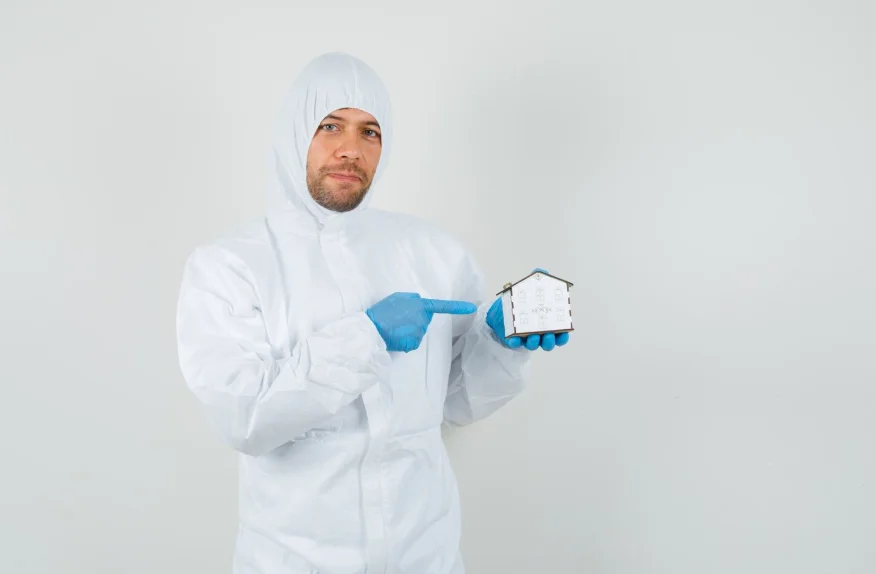
Mold is a common yet potentially hazardous problem in homes, commercial buildings, and industrial spaces. Its presence not only threatens the structural integrity of a building but also poses serious health risks for occupants. Mold growth occurs when moisture accumulates in areas with poor ventilation, water leaks, high humidity, or condensation. Over time, it can infiltrate walls, ceilings, floors, and HVAC systems, producing allergens, mycotoxins, and unpleasant odors. Addressing mold effectively requires professional mold remediation, a process that combines assessment, containment, removal, and prevention to restore safety and structural integrity. Understanding the principles, techniques, and importance of mold remediation is essential for property owners, facility managers, and maintenance professionals alike.
The Risks Associated with Mold Growth
Mold is more than an unsightly stain; it can be a serious health hazard. Prolonged exposure may trigger respiratory issues, allergic reactions, skin irritation, and in some cases, neurological effects, particularly for sensitive individuals such as children, the elderly, or those with preexisting respiratory conditions. Beyond human health, mold can compromise the structural components of a property. Wood, drywall, insulation, and fabrics are susceptible to decay when exposed to persistent moisture and mold infestation. Consequently, even small outbreaks can escalate into expensive and extensive problems if not addressed promptly.
Identifying Mold Problems
Before any remediation can occur, it is crucial to accurately identify mold growth. While some mold is visible as dark spots or discoloration on surfaces, much of it may be hidden behind walls, under flooring, or inside air ducts. Professionals utilize a combination of visual inspection, moisture detection, and environmental testing to locate affected areas. Air quality tests, surface sampling, and humidity measurements provide a comprehensive understanding of the extent and severity of mold infestation. This assessment forms the foundation of a targeted remediation plan that prioritizes safety and efficiency.
The Mold Remediation Process
Effective mold remediation involves multiple steps designed to eliminate mold safely and prevent recurrence. The first step is containment. Containment measures prevent spores from spreading to unaffected areas during cleanup. This often includes physical barriers, negative air pressure systems, and proper ventilation to ensure that contaminated air does not circulate throughout the building. Safety protocols such as personal protective equipment (PPE) are mandatory for technicians to minimize exposure to mold spores and harmful particles.
Once the area is secured, the next step involves removal of contaminated materials. Depending on the severity of the infestation, this may include cleaning or replacing drywall, insulation, carpeting, or other porous materials. Specialized cleaning agents and techniques, including HEPA vacuuming and antimicrobial treatments, are applied to non-porous surfaces. This ensures that mold colonies are fully eradicated while reducing the likelihood of regrowth.
Advanced Techniques in Mold Remediation
Modern mold remediation incorporates advanced technology to ensure thorough treatment. Air scrubbers, negative air machines, and HEPA filtration systems capture microscopic spores, while thermal imaging and moisture meters detect hidden dampness behind walls and ceilings. In some cases, fogging or antimicrobial spraying is employed to treat larger areas effectively. These tools allow technicians to address both visible and concealed mold, enhancing the overall success of remediation efforts.
Moisture Control: Preventing Future Mold Growth
One of the most critical aspects of mold remediation is addressing the root cause of moisture. Without controlling humidity and eliminating leaks, mold will likely return. Remediation plans often include repairing plumbing leaks, improving ventilation, sealing basements or crawl spaces, and installing dehumidification systems. Long-term moisture control is as important as mold removal itself, as it protects the property from future damage and maintains a safe environment for occupants.
Health and Safety Considerations
Handling mold requires strict adherence to safety protocols. Mold spores can become airborne during remediation, posing inhalation risks. Technicians are trained to use appropriate PPE, including respirators, gloves, and protective clothing, to reduce exposure. Air filtration systems and containment measures ensure that the cleanup area is isolated from occupied spaces, preventing cross-contamination. By following these guidelines, professionals minimize health risks and maintain compliance with industry standards.
The Economic Impact of Mold Infestations
Ignoring mold problems can result in substantial financial consequences. Structural damage from prolonged mold growth can necessitate costly repairs, including replacing floors, walls, ceilings, and insulation. Moreover, severe infestations may require temporary relocation of occupants, leading to additional expenses. Professional mold remediation is an investment in both health and property value. It mitigates risk, ensures compliance with building codes, and preserves the marketability of real estate assets.
Choosing the Right Mold Remediation Professionals
Selecting a qualified mold remediation company is essential for effective and lasting results. Professionals should be certified, experienced, and adhere to industry standards established by organizations such as the Institute of Inspection, Cleaning and Restoration Certification (IICRC). A reputable service provider conducts thorough assessments, explains remediation strategies, and provides documentation of work completed. Transparent communication, adherence to safety protocols, and post-remediation testing are indicators of a trustworthy professional.
Post-Remediation Verification
After the remediation process, verification ensures that the mold problem has been effectively resolved. Technicians may conduct follow-up inspections, air quality testing, and moisture assessments to confirm that mold levels are within safe limits. Post-remediation verification not only provides peace of mind for property owners but also serves as documentation for insurance or real estate transactions. Proper verification is an essential step in ensuring that the remediation efforts are permanent and effective.
Mold Remediation in Various Environments
Mold can affect both residential and commercial properties. In homes, bathrooms, basements, kitchens, and attics are common problem areas due to moisture accumulation. In commercial or industrial spaces, HVAC systems, warehouses, and areas with high humidity levels are particularly susceptible. Regardless of the setting, the principles of mold remediation remain the same: assess, contain, remove, treat, and prevent. Tailored strategies based on the type of structure and severity of infestation ensure optimal results.
The Role of Education and Awareness
Preventing mold growth begins with awareness and proactive maintenance. Property owners should understand the signs of moisture accumulation, such as condensation, water stains, or musty odors. Routine inspections, proper ventilation, and humidity monitoring are key preventive measures. Educating occupants and maintenance staff about the risks of mold and the importance of early intervention can significantly reduce the likelihood of severe infestations.
Conclusion: Ensuring Health, Safety, and Structural Integrity
Mold remediation is a specialized process that combines science, technology, and expertise to safeguard health and protect property. By addressing mold at its source, containing spores, removing contaminated materials, and implementing long-term moisture control, professionals restore safe and functional living or working environments. Investing in professional mold remediation not only preserves property value but also ensures the health and safety of occupants. Through careful assessment, precise intervention, and ongoing prevention, property owners can effectively manage mold risks and maintain a secure, comfortable, and healthy environment.

Empathetic ADHD Care: Unlocking Better Mental Health for Adults

The Myth of One-Size-Fits-All: What Personal Care Reveals About Individual Living
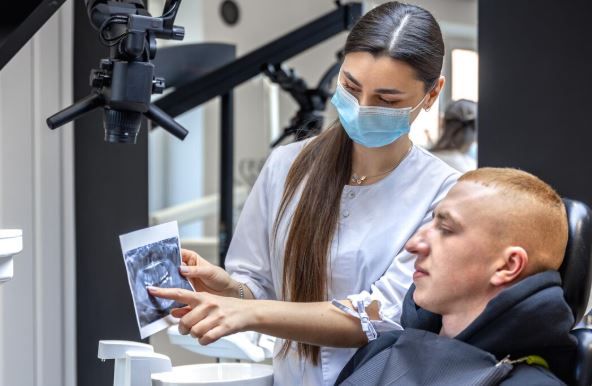
The Importance of Maintaining Implant Stability: A Comprehensive Review