
You want a smile that looks natural and feels strong. Cosmetic dentists use both art and science to reach that goal. They study how light hits teeth, how gums frame each tooth, and how your smile moves when you talk or laugh. Then they match that with tools like digital scans, 3D models, and safe materials. For example, a dentist Fresno might start by asking what you want others to notice when you smile. Next, they measure tooth shape, color, and bite. Finally, they create a plan that respects both beauty and function. This mix lowers future problems and supports long term oral health. It also respects your time, your comfort, and your trust. This guide explains how cosmetic dentists think, plan, and work so you can make clear choices about your own care.
How Art Shapes Your Smile
You see the art of cosmetic dentistry in the mirror. You feel it when you speak, eat, and laugh in public. The science sits under that, but the look comes first for many people.
Cosmetic dentists study three simple things.
- Face shape and balance
- Tooth shape, length, and color
- Gum line and how it frames each tooth
First, the dentist looks at your whole face. Your eyes, lips, and jaw create a frame for your teeth. The goal is a smile that fits you, not a copy of someone else. Shorter teeth may suit a square jaw. Slightly longer front teeth may suit a narrow face.
Next, color comes in. A pure white shade can look fake on some people. A natural shade often has small changes in color from the edge of the tooth to the gum. A skilled dentist matches color to your skin tone and age so your smile looks honest and human.
Finally, the gum line matters. Uneven gums can make teeth look crooked even when they are straight. Careful shaping of gum tissue can change how tall or short teeth seem, with small changes that have strong impact.
Where Science Steps In
The science behind cosmetic dentistry keeps your mouth safe, strong, and stable. Art without science can lead to pain, broken work, and more cost later.
To guide treatment, dentists use research based steps and tools. You can see many of these explained for patients on the National Institute of Dental and Craniofacial Research site.
Common tools include.
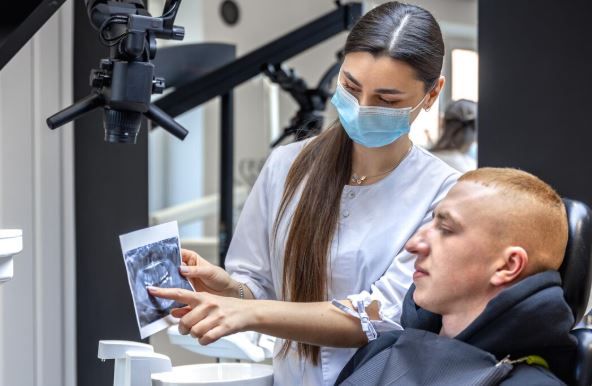
- Digital X rays to see bone and roots
- 3D scans to map your teeth and bite
- Photographs and video of your smile at rest and in motion
- Models or 3D prints of your teeth
The dentist also studies your bite. How your teeth meet affects jaw joints, face muscles, and even headaches. A crown or veneer that looks nice but changes your bite can crack, chip, or cause pain. Careful bite testing helps prevent that.
Material choice is another science step. Modern ceramics and bonding resins are tested for strength, safety, and wear. You can read about dental materials and safety from the U.S. Food and Drug Administration. Your dentist weighs hardness, stain resistance, and how the material matches natural tooth tissue.
Planning Your New Smile
A strong cosmetic plan follows a clear order. You should see each step and understand the purpose.
- Talk about goals and concerns
- Take images, scans, and records
- Review tooth and gum health
- Build a mock up or digital preview
- Test temporary changes
- Place final restorations or aligners
First, you explain what bothers you. Color. Chips. Gaps. Crowding. Gummy smile. The dentist listens and repeats your goals in simple words to confirm.
Next, the exam checks for decay, infection, or gum disease. Cosmetic work sits on top of health. If there is damage, that comes first. This protects you from pain and loss of teeth later.
Then, the dentist creates a mock up. This may be digital or placed on your teeth with temporary material. You can see what your future smile could look like before any permanent work. This step blends art and science. The dentist adjusts length, width, and color while also checking your bite.
Comparing Common Cosmetic Options
You have many options. Each one has strengths and tradeoffs. This table gives a simple overview. Your own mouth and health needs guide the final choice.
| Treatment | Main Purpose | Typical Time | Average Longevity | Best For
|
|---|---|---|---|---|
| Teeth whitening | Lighten tooth color | One to three visits or home use for two weeks | Six months to two years | Stains from food, drink, or tobacco |
| Dental bonding | Fix chips and small gaps | One visit | Three to seven years | Small changes on few teeth |
| Porcelain veneers | Change color, shape, and size | Two to three visits | Ten to fifteen years | Worn, stained, or uneven front teeth |
| Clear aligners | Straighten teeth | Six to eighteen months | Permanent with retainers | Crowding or spacing without major bite issues |
| Crowns | Restore strength and shape | One to two visits | Ten to fifteen years | Broken, large fillings, or root canal teeth |
Questions To Ask Your Cosmetic Dentist
You protect yourself and your family when you ask clear questions. A good dentist will welcome them and answer in plain words.
- What are my choices and why do you suggest this one
- How will this change my bite and long term health
- What are the risks, including tooth sensitivity or gum changes
- How long should the work last if I care for it
- What care will I need at home and how often should I return
You can bring written notes and photos of smiles you like. This helps the dentist see your taste. It also keeps the talk focused on what matters most to you.
Caring For Your Smile After Treatment
Art and science do not end when you leave the chair. Your daily habits decide how long your new smile lasts.
- Brush with fluoride toothpaste twice a day
- Clean between teeth once a day with floss or other tools
- Use a night guard if you grind
- Limit sugary drinks and snacks
- See your dentist on the schedule they suggest
Strong home care supports your gums and teeth. It protects the edges of veneers, crowns, and bonding from decay. It also helps your dentist catch small problems early, when fixes are simple and low cost.
Bringing Art and Science Together For Your Family
Cosmetic dentistry is not only about looks. It can improve speech, chewing, and comfort. It can also lift self respect for you and your children.
You deserve clear facts, honest options, and a plan that respects both beauty and health. When art and science are in balance, your smile can look natural, feel strong, and stay stable for many years.

Natural vs Professional Gum Disease Treatment: What Works?

The Myth of One-Size-Fits-All: What Personal Care Reveals About Individual Living
The Importance of Maintaining Implant Stability: A Comprehensive Review