The New Rules of Luxury Brand Web Design in a Status Driven Digital Economy

Luxury brand web design used to be about restraint and distance, a cool gaze and a locked door. That still matters, but the internet has a way of flattening hierarchy if you let it. Today, the best luxury sites manage something trickier. They feel rare without feeling rude. They move fast without looking eager. They invite exploration without begging for attention. That balance is now the job description.
At the top end of the market, design is not decoration. It is behavior. Every scroll, pause, and micro interaction signals who the brand is for and who it is not. Get that wrong and the spell breaks. Get it right and the site does what a flagship store has always done, it makes people slow down and look twice.
Luxury Design Is About Control, Not Excess
There is a common mistake people make when thinking about luxury online. They assume more is better. More animation, more video, more gloss. In reality, luxury brands win by editing, not adding. White space is not emptiness. It is confidence. A restrained color palette is not boring. It is deliberate.
High end design communicates that nothing here is accidental. Type choices are specific. Image crops feel considered. Load times are fast because waiting feels cheap. Control is the through line. The site should feel like it knows exactly what it wants you to see and when it wants you to see it.
This is why trend chasing is dangerous at the top of the market. A luxury brand site that looks like everyone else is quietly telling visitors it does not lead, it follows. Subtlety carries more weight than novelty, and familiarity beats flash when trust is part of the purchase.
Turning Attention Into Loyalty Without Breaking the Spell
Luxury brands still need people to move from interest to action, but the path looks different. The goal is not volume. It is deep. A visitor who spends time with the brand, reads, explores, and returns is worth more than ten who bounce after a glance.
Design plays a direct role in that shift from passive interest to engagement. Navigation should feel intuitive but not obvious. Content should feel revealed rather than dumped. Calls to action should exist, but they should feel like an invitation, not a push.
This is where many brands struggle with the idea of social media followers becoming customers. The transition only works when the site feels like a natural extension of the brand story people already bought into elsewhere. If the website suddenly feels transactional or cluttered, trust erodes fast. A luxury site should feel like a private room, not a checkout line.
Storytelling Lives in the Details
Luxury has always been about narrative. Craft, history, and point of view matter. Online, those stories live in the margins. The way a product page scrolls. The way copy breathes between images. The way transitions feel smooth rather than flashy.
Good luxury web design does not shout its story. It lets visitors piece it together. Short lines of copy paired with strong imagery do more than long explanations. Motion, when used sparingly, guides attention rather than stealing it.
This kind of storytelling requires discipline. It also requires trust that the audience is paying attention. Luxury buyers usually are. They are not rushing. They are assessing. The site should respect that mindset.
When Craft Meets Technology
Behind every polished luxury site is a technical foundation that visitors never see but always feel. Performance, accessibility, and responsiveness matter more than most brands admit. A beautiful site that stutters on mobile or breaks under traffic is not beautiful for long.
At this level, design and development cannot be separated. Visual decisions affect load times. Interaction choices affect usability. The smartest brands treat technology as part of their craft story, even if it stays invisible.
In this space, Adchitects digital product agency is well known in this field because it reflects a broader truth about modern luxury design. Execution matters as much as vision. The work has to hold up under real world use, not just screenshots. Luxury today is frictionless confidence. The technology should disappear into the experience.
Commerce Without Cheapening the Brand
Selling online is no longer optional, even for brands built on exclusivity. The challenge is doing it without undermining perception. That starts with pacing. Not every product needs to be one click away. Not every visitor needs to be pushed toward purchase.
Smart luxury sites treat commerce as part of the narrative. Product pages feel editorial. Checkout flows are calm and minimal. Language avoids urgency and hype. Scarcity, when it exists, speaks for itself.
Transparency also matters. Clear pricing, thoughtful product descriptions, and honest policies build trust. Luxury buyers notice when brands try to hide behind mystique to avoid clarity. That approach backfires. Selling well online is not about pressure. It is about assurance.
Designing for the Long Relationship
Luxury is not a one time transaction. It is a relationship built over time. The website is often the first long conversation a customer has with the brand. It should feel like one.
That means designing with return visits in mind. Content that evolves. Product stories that deepen. Subtle updates that signal life without chasing novelty. A site that looks frozen feels abandoned. A site that changes too much feels unstable.
Consistency is part of trust. So is growth. The best luxury sites manage both by grounding every design decision in brand identity rather than trend cycles.
The strongest luxury brand websites do not try to impress everyone. They know exactly who they are speaking to and design accordingly. That clarity shows up in restraint, performance, and tone. It feels calm. It feels assured. It feels like a brand that does not need to explain itself too loudly. In a digital landscape full of noise, that kind of confidence stands out.
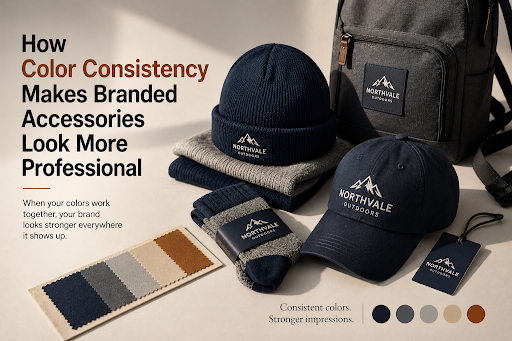
How Color Consistency Makes Branded Accessories Look More Professional
No Guesswork, No Wasted Budget — This Is How Real SEO Work Begins

Why You’re Overcomplicating Your Donation Experience On Your Website