The Hidden Cost of Poor Digital Archive Management and How Organizations Pay for It Later
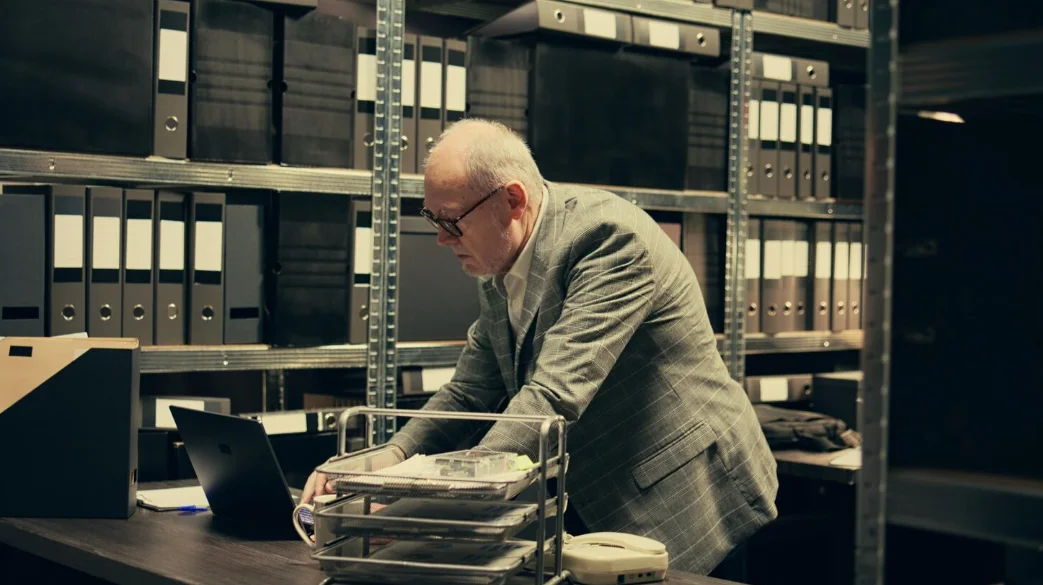
Digital archives rarely make it into boardroom conversations. They don’t demand attention, and failures rarely announce themselves. That’s exactly the problem.
Archive issues rarely erupt; they leak value slowly. A missing document here, a delayed approval there, an audit that drags on. Over time, these small inefficiencies create significant business risk.
The most common assumption is simple: “Our data is stored somewhere, so we’re covered.” But storage is not the same as control.
Poor digital archiving is not an IT inconvenience. It’s a business continuity issue waiting for the right moment to surface.
What Digital Archive Management Really Means (Beyond Storage)
Most organizations confuse three very different things:
- File storage – where files live
- Document management – how active documents are handled
- Digital archive management – how records are preserved, protected, and trusted over time
Archives are about long-term access, integrity, and governance.
They answer questions like:
- Can this record be trusted years later?
- Has it been altered?
- Can the right people find it when it matters?
When archives lack structure, ownership, or rules, they don’t just become messy. They quietly become liabilities.
The Real Business Problems Hidden Inside Poor Archiving
These aren’t technical problems. They’re problems leaders actually feel.
a. Decision Paralysis from Data Overload
While data expands quickly, systems and processes struggle to stay aligned. Teams waste time searching for the “final” version of records. Approvals slow down. Reviews drag on because no one is fully confident they’re looking at the right information.
When decisions rely on incomplete or uncertain records, hesitation becomes the default.
b. Compliance Exposure No One Tracks Properly
Retention laws don’t care how busy an organization is. Missing records, altered files, or unclear audit trails create legal and financial exposure. And when regulators ask questions, “we didn’t know” is not a valid answer.
This is where weaknesses in digital archive management quietly turn into compliance problems.
c. Loss of Institutional Knowledge
Employees come and go, but systems endure. Without context-aware archives, essential knowledge remains with individual staff members, erasing years of decisions and history and increasing strategic risk.
Why Digital Archives Fail in Growing Organizations
Archive problems usually don’t come from neglect. They come from success.
Systems are added quickly. Departments choose tools independently. Legacy platforms are patched together to keep up with growth.
IT manages storage, but no one owns the archive strategy.
Growth outpaces planning, and suddenly the organization has data everywhere—but trust nowhere.
The Cost of Fixing Archive Problems Too Late
When archive issues finally surface, they rarely do so gently.
Emergency migrations disrupt operations. Legal disputes arise over missing records. Audits slow the business down. Confidence erodes—with regulators, partners, and sometimes even internally.
Fixing archive problems reactively always costs more than building them correctly from the start. Always.
What Modern Digital Archive Management Looks Like
A healthy archive isn’t complicated. It’s intentional.
- Centralized access with clear role-based controls
- Defined retention and deletion policies
- Immutable records with tamper protection
- Strong metadata for fast retrieval
- Integration with core systems like ERP, CRM, or ECM
It’s not about locking data away. It’s about making records reliable, accessible, and defensible over time.
Why Digital Archive Management Is a Leadership Responsibility
Security accountability extends beyond IT and requires leadership involvement.
Archive decisions affect legal exposure, operational speed, and organizational memory. Leadership involvement sets priorities, ownership, and accountability.
The right questions to ask internally aren’t technical:
- Can we trust our records years from now?
- Do we know who owns archival decisions?
- Are access and verification aligned with our risk level?
These conversations often connect naturally to broader security discussions, including identity verification and access control—topics that later evolve into debates like OTP vs MFA, where trust and verification really start to matter.
Digital Archives as a Strategic Asset (Not a Cost Center)
When archives are done right:
- Audits move faster
- Reporting becomes easier
- Historical insights improve
- Trust with partners and regulators strengthens
The mindset shifts from “Where do we store data?” to “How do we protect, access, and trust our records over time?”
Summary
Archive management is invisible when it works. That’s why it’s often ignored.
The organizations that endure treat archives as infrastructure, not tools.
One final question worth sitting with:
If your organization disappeared tomorrow, would your records still tell your story accurately?
That answer usually reveals everything.
FAQs:
How do we know whether our current archive setup is a real risk or just inefficient?
The difference is trust and defensibility. If your organization can’t quickly show that records are complete, unaltered, and accessible to the right people under audit or legal pressure, inefficiency has already turned into real risk. The moment confidence in records depends on individuals rather than systems, the archive is exposed.
Who should actually own digital archive management inside an organization?
Archive management requires shared ownership with clear accountability. While IT manages systems, responsibility for archive integrity typically sits at the intersection of leadership, legal, compliance, and operations. Without a defined owner at the leadership level, archive decisions become fragmented, and risk accumulates silently.
Is improving digital archive management a large transformation or something that can be phased in?
Most organizations improve archives incrementally. The priority is not replacing everything at once, but establishing governance, access control, and trust around existing records first. Once those foundations are in place, modernization can happen in controlled phases without disrupting daily operations.

The Comprehensive Guide to Rhett Hartzog: Biography, Career, and Influence

Understanding 127.0.0.1:49342: A Guide for Networking Professionals

How to Create a Realistic AI Avatar for Your Videos