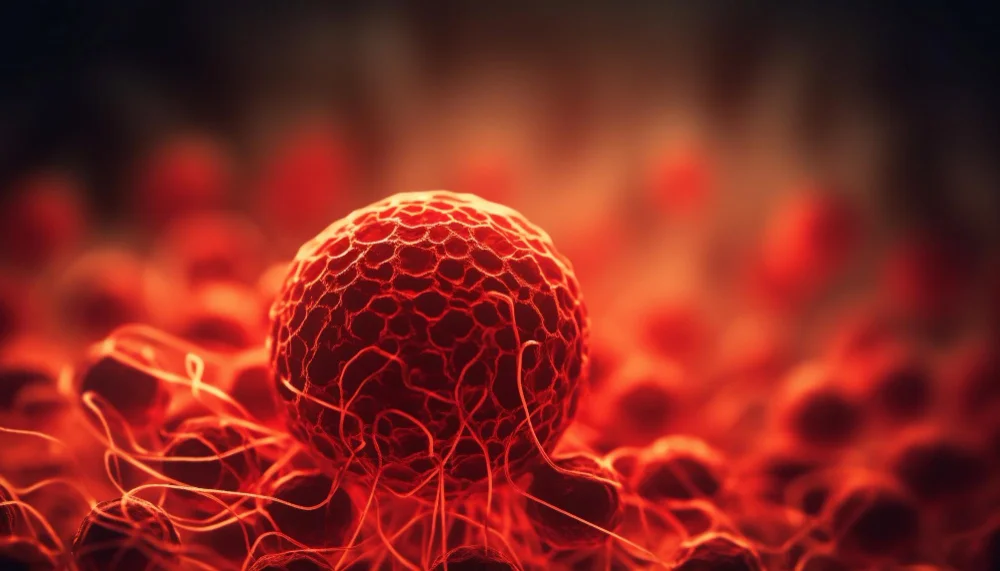
Stem cell leukemia is a serious form of blood cancer that affects the body’s ability to produce healthy blood cells. It develops in the bone marrow, where stem cells are responsible for creating red blood cells, white blood cells, and platelets. When these stem cells become abnormal, they multiply uncontrollably and interfere with normal blood cell production, leading to severe health complications.
Healthcare institutions like Liv Hospital focus on advanced diagnostic methods and modern treatment strategies to manage leukemia effectively. Understanding stem cell leukemia is essential for early detection, timely treatment, and improved patient outcomes.
Understanding Stem Cell Leukemia
Stem cell leukemia originates from hematopoietic stem cells, which are the foundation of the entire blood system. These cells normally mature into different types of blood cells that support immunity, oxygen transport, and clotting. In leukemia, genetic mutations cause stem cells to lose control over their growth and function.
As a result, cancerous cells accumulate in the bone marrow and bloodstream, reducing the number of healthy cells. This imbalance weakens the immune system and disrupts vital bodily functions, making stem cell leukemia a life-threatening condition if left untreated.
A detailed Stem Cell Leukemia Overview and Definition explains how this disease forms, its biological mechanisms, and the role of stem cell-based therapies in modern medicine.
Types of Stem Cell Leukemia
Stem cell leukemia can be associated with different types of leukemia, depending on how quickly the disease progresses and which blood cells are affected. The most common categories include:
- Acute leukemia, which develops rapidly and requires immediate treatment
- Chronic leukemia, which progresses more slowly and may remain stable for some time
Each type behaves differently, and treatment plans are tailored according to the patient’s condition, age, and overall health.
Causes and Risk Factors
While the exact cause of stem cell leukemia is not always clear, several risk factors have been identified. These include exposure to radiation, certain chemotherapy drugs, inherited genetic disorders, and prolonged contact with harmful chemicals. In some cases, mutations occur spontaneously without any known trigger.
Lifestyle factors and environmental exposure may also contribute, although research in this area is still ongoing. Having one or more risk factors does not guarantee the development of leukemia, but it can increase susceptibility.
Common Symptoms
Symptoms of stem cell leukemia often develop gradually and may be mistaken for less serious illnesses in the early stages. Common signs include persistent fatigue, frequent infections, unexplained bruising or bleeding, fever, night sweats, and bone pain. Some patients may also experience weight loss or swollen lymph nodes.
Because symptoms vary from person to person, medical evaluation is essential if these issues persist or worsen over time.
Diagnosis and Treatment Approaches
Diagnosis typically involves blood tests, bone marrow examination, and genetic analysis to identify abnormal stem cells. Once confirmed, treatment may include chemotherapy, targeted therapy, immunotherapy, or stem cell transplantation.
Stem cell transplantation is often recommended for aggressive or recurrent cases. This procedure aims to replace diseased bone marrow with healthy stem cells, allowing the body to rebuild a functional blood and immune system under medical supervision.
Life After Diagnosis
Living with stem cell leukemia requires both medical care and emotional support. Patients are encouraged to maintain a balanced routine, follow nutritional guidance, and focus on mental well-being during treatment and recovery. Reliable lifestyle resources, such as live and feel, can provide helpful insights on wellness, stress management, and healthy living, supporting overall quality of life during challenging times.

Natural vs Professional Gum Disease Treatment: What Works?

The Myth of One-Size-Fits-All: What Personal Care Reveals About Individual Living

The Importance of Maintaining Implant Stability: A Comprehensive Review