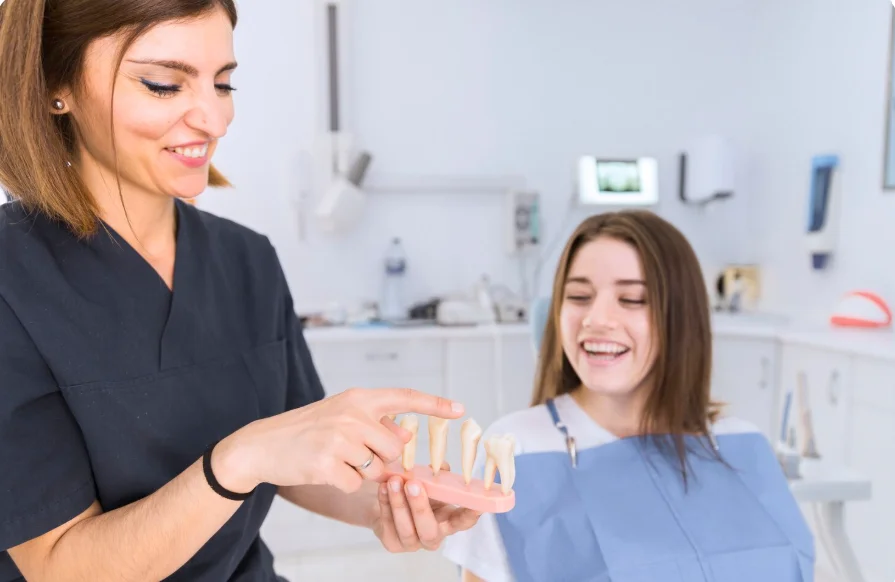
Your smile needs two kinds of care. You need care that prevents problems and care that restores confidence. Preventive dentistry protects you from cavities, gum disease, and tooth loss. Cosmetic dentistry helps you feel at ease when you talk, laugh, or meet someone new. Together, they support your health and your daily life. A West Tampa dentist can use whitening, bonding, or other treatments to fix stains, chips, and gaps that brushing cannot change. At the same time, regular cleanings and exams keep those results steady. This mix lowers stress, supports clear speech, and helps you chew without worry. It also encourages you to keep good habits at home. When you like your smile, you brush, floss, and visit more often. The four methods in this guide show how cosmetic care and preventive care work side by side to protect your mouth and your confidence.
1. Whiter teeth can push you toward better daily habits
Preventive care focuses on stopping decay before it starts. You brush with fluoride toothpaste, floss every day, and visit for cleanings. These steps remove plaque and keep acids from eating through enamel.
Cosmetic whitening adds a strong reason to keep those habits. When you invest in a brighter smile, you often feel more protective of it. You may:
- Skip smoking or vaping
- Cut back on soda, sports drinks, and sweet snacks
- Drink more water between meals
The Centers for Disease Control and Prevention explains that sugar and acid feed the bacteria that cause cavities. A bright smile gives you a clear reminder to limit both. You start to treat coffee, tea, and candy as choices that affect your mouth, not just your taste.
As a result, whitening does more than change color. It can reset your daily routine. You see stains fade. You see plaque come off more easily. That feedback keeps you brushing and flossing with purpose.
2. Fixing chips and gaps makes cleaning easier
Small chips, rough edges, and wide gaps trap food. They also give plaque more places to cling. Even if you brush and floss, you may miss those spots. Over time, you face more risk of decay and gum problems in those weak points.
Cosmetic treatments like bonding and shaping smooth these rough spots. Veneers can also cover worn or uneven teeth. That smoother surface does two things.
- Food slides off more easily during brushing
- Floss moves between teeth with less snagging
This support can protect the deep spaces between teeth where gum disease often starts. The National Institute of Dental and Craniofacial Research notes that gum disease is a main cause of tooth loss. When cosmetic work makes brushing and flossing simple, you remove more bacteria from those edges every day.
There is also a safety side. Repairing chips can reduce sharp points that cut cheeks or lips. You avoid small injuries that can turn into sore spots and infections.
3. Straight teeth reduce wear and protect joints
Misaligned teeth cause more than a crooked smile. Crowding and bite problems can lead to uneven wear, cracked enamel, and jaw strain. You may grind at night without knowing. You may feel pain when you chew certain foods.
Cosmetic alignment through clear aligners or braces can guide teeth into better positions. That change supports preventive care in three ways.
- You reach more surfaces with your toothbrush
- Floss passes between teeth without forcing or skipping
- Bite pressure spreads more evenly across your mouth
When pressure spreads, teeth do not break down as quickly. You lower the chance of fractures that need crowns or root canals later. Your jaw joints also face less strain during chewing and talking. That can reduce headaches and muscle pain around your neck and head.
Straighter teeth also help kids and teens form better habits early. They feel less shame and more pride. That pride keeps them coming to visits and following home care plans.
4. Restoring shape and size supports chewing and speech
Worn, short, or missing teeth change how you chew and speak. You may avoid hard foods like apples or nuts. You may also struggle to say certain sounds. That can affect work, school, and social life. It can also push you toward soft, processed foods that harm your body over time.
Cosmetic crowns, veneers, bonding, and tooth colored fillings restore shape and size. When teeth fit together again, you can:
- Chew a wider range of foods
- Break food into smaller pieces for safer swallowing
- Speak more clearly without extra effort
This support protects your whole body. Better chewing can help digestion. Clear speech can reduce stress in daily talks. With less stress, you avoid clenching and grinding that damages teeth.
Restored teeth also fill spaces that catch food. You spend less time picking at stuck pieces. You spend more time cleaning with simple strokes of a brush and floss.
How cosmetic and preventive care compare
| Type of care | Main goal | Typical treatments | Key benefit for you
|
|---|---|---|---|
| Preventive dentistry | Stop disease before it starts | Cleanings, exams, fluoride, sealants, X-rays | Fewer cavities and less gum disease |
| Cosmetic dentistry | Improve the look of teeth and gums | Whitening, bonding, veneers, alignment | More confidence when you smile and speak |
| Both together | Protect health and appearance | Planned care that links both types | Stronger teeth that are easier to clean |
Using both types of care in your next visit
You do not need to choose between health and appearance. You can ask your dentist to build a plan that uses both. You can start with an exam and cleaning. You can talk about what bothers you when you look in the mirror or chew a meal.
Then you and your dentist can set three clear steps.
- Fix urgent problems like cavities or gum infection
- Add cosmetic changes that support cleaning and chewing
- Schedule regular visits to protect those results
This approach respects your time and your budget. It also respects your need to feel safe when you smile. You deserve a mouth that works and looks strong. With steady preventive care and thoughtful cosmetic choices, you can protect that for many years.
Natural vs Professional Gum Disease Treatment: What Works?

The Myth of One-Size-Fits-All: What Personal Care Reveals About Individual Living
The Importance of Maintaining Implant Stability: A Comprehensive Review