Apple III – History, Specifications, Features, Failures & Legacy (Complete Guide)
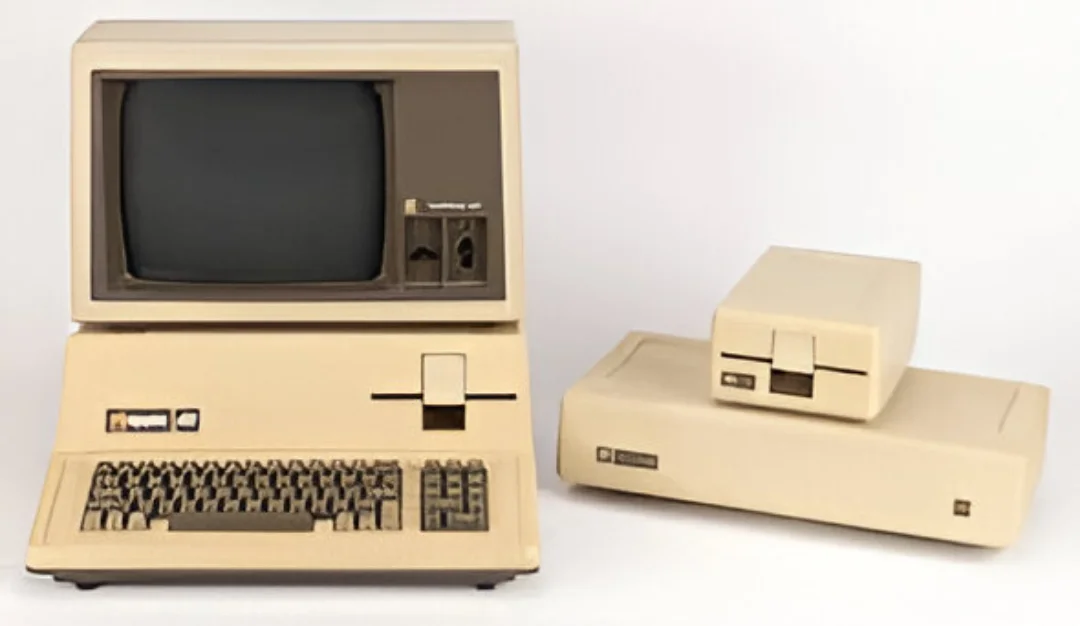
The apple iii was one of the most talked‑about early personal computers from Apple. Designed to be a more powerful and business‑focused successor to the successful Apple II, it instead became notorious for reliability issues and commercial failure. Despite its problems, the apple iii remains a fascinating part of computing history that many tech enthusiasts still study and collect today.
This guide explains the full story behind the Apple III, from its design goals and technical specifications to why it failed and how it influenced future machines. We will break down every key point so you understand not only what this machine was, but why it mattered — and why it didn’t succeed in the market.
What Is Apple III?
The apple iii (sometimes written as Apple ///) was a personal computer introduced by Apple Computer in May 1980. It was created as Apple’s first machine specifically aimed at the business market rather than hobbyists or home users.
Unlike the earlier Apple II, which was highly successful and largely designed by Apple co‑founder Steve Wozniak, the Apple III was developed by a committee of engineers and driven heavily by Apple’s marketing goals. Its target was simple: provide a more capable machine for business tasks like spreadsheets, word processing, and professional software.
At launch, the Apple III looked promising on paper — faster, with more memory and a built‑in floppy drive. But it quickly became clear that meeting design goals and delivering a reliable product were very different challenges.
History of the Apple III
Origins and Development
Development of the apple iii began in the late 1970s under the codename “Sara.” Apple leadership wanted a machine that could compete with emerging business computers and expand beyond the hobbyist market. Engineers were asked to pack multiple advanced features into a sleek, noiseless package.
The design process was challenging. Unlike the Apple II, which was largely the work of one engineer, the Apple III was built by a group. That often led to conflicting ideas about priorities and features, which would later affect the final product.
Timeline of Events
- 1978–1979: Development begins.
- May 1980: Apple officially announces the Apple III.
- Late 1981: A redesigned version with upgrades ships.
- 1983: Apple releases the Apple III Plus with improvements.
- April 1984: Production ends due to poor sales.
The ongoing delays and hardware issues meant that by the time Apple fixed some problems, competitors like the IBM PC had already taken hold in the business market.
Apple III Plus
In an attempt to salvage the product line, Apple introduced the Apple III Plus in 1983. This model offered improvements in reliability and some technical details, but by then the Apple III’s reputation was already damaged.
Technical Specifications
One of the reasons people were excited about the apple iii was its impressive specifications for the time:
Processor & Performance
The machine was powered by an 8‑bit Synertek 6502 processor running at about 1.8–2 MHz — approximately twice the speed of the Apple II.
Memory & Storage
Standard memory was 128 KB of RAM, which was expandable. The Apple III also featured a built‑in floppy disk drive (5.25″, roughly 143 KB capacity).
Display & Graphics
Unlike earlier Apple models, the Apple III supported an 80‑column text display, which was important for serious business software. It also had graphics modes up to 560 × 192 resolution.
Operating System and Software
The Apple III ran Apple SOS (Sophisticated Operating System) — a more advanced system than Apple DOS used on the Apple II. Apple SOS supported hierarchical file systems and better organization for business applications.
It also featured Apple II emulation so that it could run many older Apple II programs. However, this emulation was limited, and compatibility was not always reliable.
Features & Capabilities
The apple iii offered some noteworthy features compared to its predecessor:
Built‑In Hardware
The Apple III came with its keyboard integrated into the case and offered four internal expansion slots that could accept many Apple II cards. These made it somewhat flexible for business users who needed specific peripherals.
Emulation Mode
One of the advertised features was the ability to emulate the Apple II’s environment so existing software could run. However, this emulation was limited by hardware restrictions and did not always unlock the Apple III’s full technical potential.
Advanced OS Capabilities
Apple SOS supported features like hierarchical directories and more structured file handling, which were valuable for business users and set the Apple III apart from earlier Apple systems.
Why Apple III Failed
The question most people ask about the apple iii is clear: why did it fail? The reasons are multiple and often intertwined.
Hardware & Design Flaws
One of the most notorious issues was overheating. Steve Jobs insisted the computer have no cooling fan or vents to keep it quiet and sleek. Instead, Apple engineers used a heavy aluminum case to try to dissipate heat. Unfortunately, this wasn’t enough. The system overheated badly, often leading to chips dislodging from their sockets and motherboard warping.
There are even stories from the time that Apple suggested lifting the system a few inches above the desk and dropping it to reseat loose chips — a practice that became part of the Apple III lore.
Manufacturing and Early Failures
The first batch of Apple III units suffered widespread failure due to poor assembly and manufacturing technology that wasn’t ready to support such dense circuit designs. Many machines had logic board issues that caused short circuits and other failures.
Price and Market Competition
The Apple III was expensive, costing several thousand dollars at launch. Many businesses found it hard to justify this cost, especially when alternatives like IBM PCs began appearing with stronger ecosystems and wide software support.
Limited Software Ecosystem
Although it could run some Apple II software, the Apple III had limited exclusive software. Developers were cautious because the machine was not widely adopted, creating a feedback loop where few applications meant less demand.
All these factors combined meant that even when the machine was improved in later revisions, its reputation was already damaged. Many businesses chose alternatives, leaving Apple III sales disappointing.
Apple III Compared to Other Computers
Apple III vs Apple II
The Apple III was meant to replace the Apple II as Apple’s flagship system. The Apple II, however, continued selling well because it was reliable, had a huge software library, and was cheaper. The Apple III’s technical promise couldn’t outweigh its reliability issues.
Apple III vs IBM PC
Around the same time, IBM launched its IBM PC, which quickly became a standard in business computing thanks to its open architecture and third‑party software support. The timing and market shift toward IBM’s ecosystem further marginalized the Apple III in professional settings.
Legacy & Impact
Even though it was a commercial failure, the apple iii left lessons and influences. Apple learned the importance of engineering validation and customer testing. Some ideas from Apple SOS and business features later influenced other Apple operating systems.
Today, Apple III machines are sought by vintage computing collectors. They remind us of a time when personal computing was rapidly evolving and highlight how even innovative ideas can fail without solid execution.
Frequently Asked Questions (FAQ)
What was the apple iii used for?
It was designed to be a business computer for spreadsheets, word processing, and professional tasks.
When was the apple iii released?
The Apple III was announced in May 1980 and released later that year.
Why did the apple iii fail?
Its failure was due to overheating design flaws, poor manufacturing, high price, and limited software.
Could apple iii run Apple II software?
Yes, it could emulate some Apple II software, but compatibility was limited due to hardware restrictions.
Conclusion
The story of the apple iii is a lesson in ambition, design choices, and market dynamics. It aimed to be Apple’s next big business computer, but technical problems and fierce competition undermined its success. Still, it remains an important part of Apple’s early history and a reminder that innovation must be paired with reliability.
The apple iii may not have sold millions like the Apple II or modern Macs, but it continues to be studied, collected, and discussed by vintage computing fans around the world.

Avoid Common Mistakes When Choosing an 8K Gaming PC Controller

Best Rare Disease Patient Apps: Navigating Complex Care with Digital Tools

Under Counter Fridge Ice Makers for Efficient Kitchens