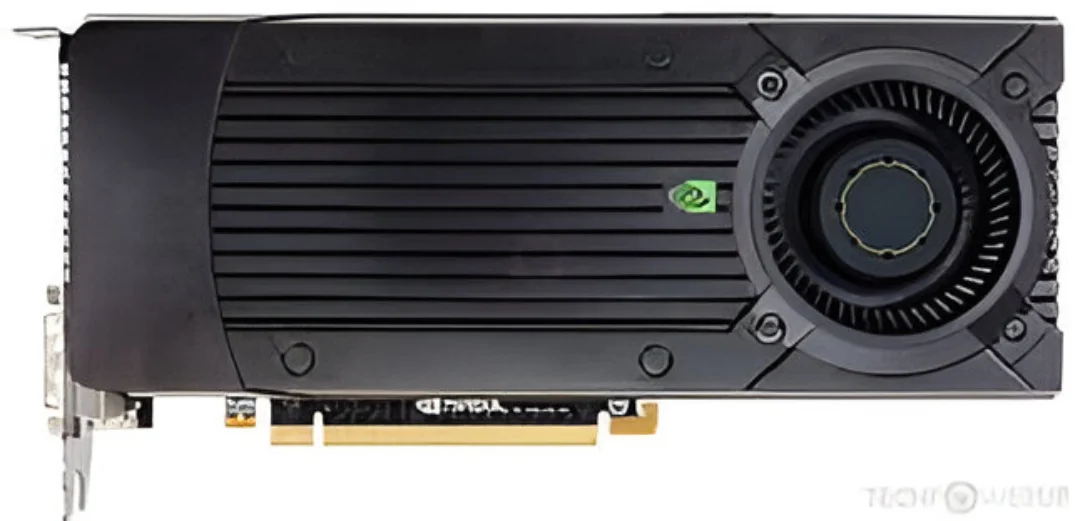
The NVIDIA GeForce GTX 950 is a well‑known graphics card that made a big impact in the mid‑range PC gaming market when it launched. Today, many users still search for it to learn about its specs, gaming capabilities, history, and whether it’s worth using in modern setups. This guide covers all of that in clear, simple, and SEO‑friendly detail.
What Is NVIDIA GeForce GTX 950?
The NVIDIA GeForce GTX 950 is a desktop graphics card designed by NVIDIA. It was released on August 20, 2015 as part of the GeForce 900 series and built for mainstream 1080p gaming and general graphics performance.
At its core, the GTX 950 gives users an affordable way to play games, handle videos, and run creative apps without needing a high‑end GPU. It sits between the older GTX 750 Ti and the more powerful GTX 960 in NVIDIA’s product lineup.
Technical Specifications
Here’s a detailed breakdown of the key hardware specs that define the NVIDIA GeForce GTX 950:
| Feature | Specification |
| GPU Architecture | Maxwell 2.0 (GM206) |
| CUDA Cores | 768 |
| Base Clock | 1024 MHz |
| Boost Clock | 1188 MHz |
| Memory | 2 GB GDDR5 |
| Memory Bus | 128‑bit |
| Memory Bandwidth | ~105.8 GB/s |
| TDP | 90 W |
| Outputs | DVI, HDMI 2.0, DisplayPort 1.2 |
| DirectX | 12 (Feature Level 12_1) |
| OpenGL | 4.6 |
| Vulkan | 1.3 |
This combination of hardware made the GTX 950 a balanced card for its time, offering solid performance with modest power needs — ideal for budget and mainstream gamers.
Maxwell Architecture Explained
The NVIDIA GeForce GTX 950 is built on the Maxwell 2.0 architecture. This architecture was designed to deliver better efficiency and performance per watt than previous designs.
Here’s what that means:
- Greater power efficiency — It uses less electricity while doing more work.
- Improved gaming performance per dollar — It hit a sweet spot in cost vs performance.
- Good driver support at launch — The Maxwell platform had mature drivers and solid compatibility with popular titles.
Maxwell was a big step forward for NVIDIA at the time, offering strong performance gains over older architectures.
Gaming Performance and Benchmarks
One of the biggest user interests in the NVIDIA GeForce GTX 950 is real‑world gaming performance. Let’s break it down.
1080p Gaming
The GTX 950 was designed for 1080p resolution and delivered respectable frame rates when released:
- Games like League of Legends, CS:GO, DOTA 2 run smoothly with high FPS. Community reports confirm strong performance in esports titles.
- For AAA games of its time (like GTA V), it generally hit playable performance at medium settings.
Today, in 2025/2026, it still runs older and less demanding games well, but modern titles may require you to reduce settings for a smoother experience.
User comments on gaming forums show that the GTX 950 can run games like Sable at playable framerates on moderate settings, though expectations should be reasonable.
Graphics APIs and Features
The card supports a number of modern graphics APIs and features:
- DirectX 12 (Feature Level 12_1) — Ensures compatibility with modern games requiring DirectX 12 support.
- OpenGL 4.6 — Useful for older games and creative applications.
- Vulkan 1.3 — Offers improved performance in supported games.
However, the GTX 950 does not support ray tracing or DLSS, which are modern features introduced in later GPU generations.
Driver Support and Lifecycle
NVIDIA has officially started phasing out full driver updates for older GPUs like the GTX 950. After the final Game Ready Driver release in October 2025, future updates will mainly be security‑focused rather than performance‑focused.
This means:
- No new performance optimizations for newer games.
- Quarterly security updates will still roll out until at least October 2028.
So, your GTX 950 will still work — but may gradually fall behind as games and APIs evolve.
Real‑World Use Cases
Gaming
The NVIDIA GeForce GTX 950 is still a decent option for:
- Competitive esports titles
- Older AAA games
- Lightweight gaming at 1080p
Users on discussion forums note that careful settings tuning (lowering graphics settings) can keep games playable.
Everyday Computing
It performs well for:
- Web browsing
- Video playback
- Office tasks
since modern workloads are often GPU‑accelerated.
Creative Tasks
While not ideal for high‑end rendering, the GTX 950 handles basic video editing and hobbyist creative workloads. It also supports NVIDIA’s NVENC encoding for streaming and recording.
Pros and Cons
Pros
- Good value for budget builds — Solid performance for older games.
- Low power draw — Efficient and cool under load.
- Broad API support — DirectX 12, OpenGL, Vulkan compliance.
Cons
- Outdated for modern AAA titles — Struggles at higher settings.
- Limited VRAM (2 GB) — Hinders very large textures and modern game assets.
- No ray tracing or DLSS — Lacks modern graphics enhancements.
Comparison with Other GPUs
The NVIDIA GeForce GTX 950 sits between the lower‑end GTX 750 Ti and the more powerful GTX 960. Compared to the GTX 750 Ti, it offers:
- More CUDA cores
- Higher clock speeds
- Better overall performance
But compared to newer GPUs like the GTX 1050 or GTX 1650, it falls behind in efficiency and raw performance.
Is the GTX 950 Worth It in 2025/2026?
The NVIDIA GeForce GTX 950 is not a top performer today. But it still has value:
- A good choice for budget or older systems
- Works well for eSports and basic gaming
- Still supported with quarterly security driver updates until 2028
If you want higher performance or modern features like ray tracing and DLSS, consider newer cards like NVIDIA’s GTX or RTX series.
FAQ
Does the GTX 950 support modern APIs like DirectX 12?
Yes, it supports DirectX 12 (feature level 12_1), Vulkan, and OpenGL 4.6.
Can it run modern games?
It runs many older or less demanding games well, but intensive modern titles may require lower settings.
Is it still supported?
Basic security updates will continue through 2028, but performance driver updates ended after late 2025.
Conclusion
The NVIDIA GeForce GTX 950 remains a well‑known mid‑range graphics card that offered excellent performance and efficiency at launch. While it’s no longer cutting‑edge, it still finds relevance in budget gaming, everyday use, and older titles. Whether you’re upgrading an older system or evaluating a second‑hand purchase, knowing its specs, performance, and support lifecycle helps you make the right choice.

How Technology is Changing the Way Children Learn — and Why That Matters

What Are the Best Small Hearing Aids for First-Time Buyers?
Optimize Team Scheduling with WiFi Time Clock Tracking