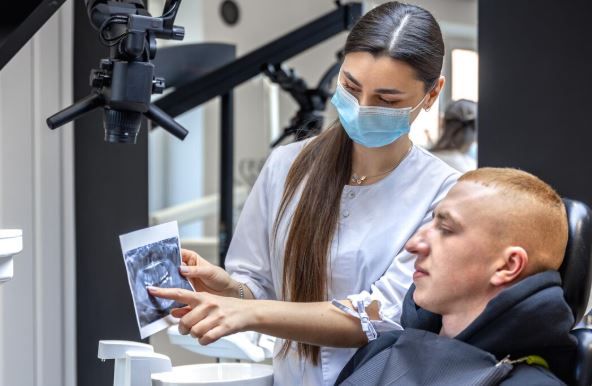
Tips For Maintaining Oral Hygiene Between Family Dental Visits
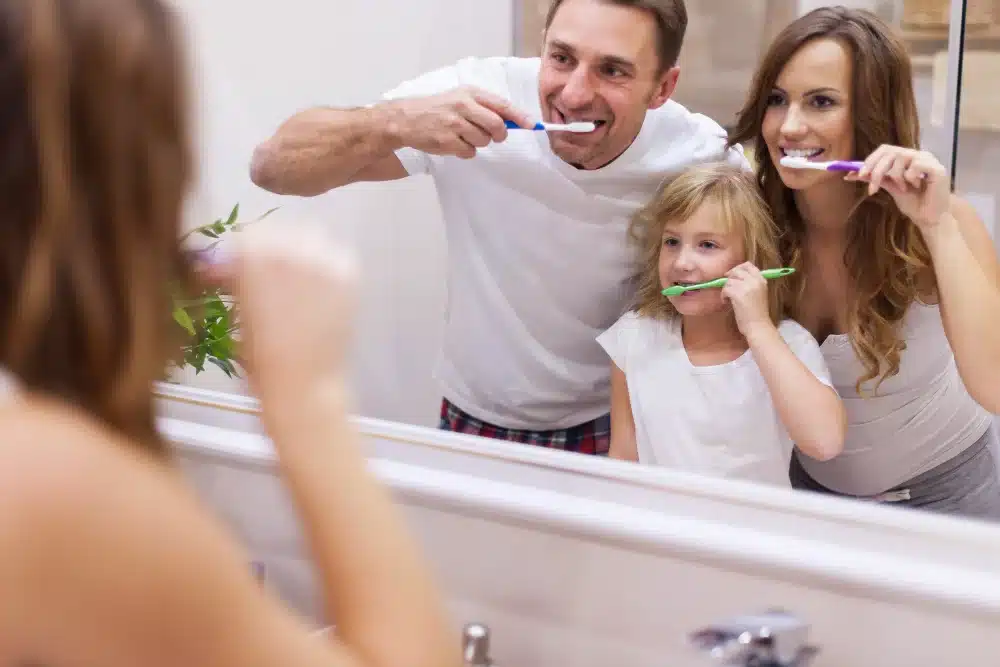
Healthy teeth protect your speech, your sleep, and your confidence. Routine checkups help, but what you do between family visits matters more. Daily choices decide if small problems stay small or turn into deep pain. You may already brush and floss. You might still wonder if it is enough, or why your gums bleed, or why your jaw aches at night. Some people even search for Botox for TMJ in Glen Carbon, IL and forget that strong habits at home come first. This guide gives you clear steps you can use today. You will learn how to clean your mouth the right way, how to protect your gums, and how to guard your teeth from silent damage. Each step is simple. Each one fits into a busy day. Your mouth can feel clean, calm, and strong between every family visit.
Brush the right way, not the hard way
Brushing harder does not clean better. It can scrape your gums and wear down tooth surfaces. You need steady, gentle care that reaches every surface.
- Brush two times each day for two minutes
- Use a soft bristle brush
- Hold the brush at a small angle toward the gumline
- Use short strokes and move in small sections
- Replace your brush every three to four months
The Centers for Disease Control and Prevention reports that many adults still get cavities. Strong brushing habits lower that risk. They also help your child copy your routine. You protect your own health, and you teach by example at the same time.
Floss once a day to reach hidden spaces
Your brush cannot reach the tight spots between teeth. Food and sticky film stay there. That trapped film leads to bleeding gums and bone loss. Flossing cleans where your brush cannot reach.
- Floss one time each day
- Slide the floss gently between teeth
- Curve it in a C shape around each tooth
- Move the floss up and down along the side of the tooth
- Use a clean section of floss for each space
Children often struggle with flossing. You can use floss picks for small hands. You can also floss for them until they can tie their own shoes. That simple rule keeps things clear for busy families.
Use fluoride to harden tooth surfaces
Fluoride is a natural mineral. It helps rebuild weak spots in the outer layer of teeth. You need it in small, steady amounts.
- Use a fluoride toothpaste approved by the ADA
- For children under three, use a smear the size of a grain of rice
- For children over three and for adults, use a pea-sized amount
- Spit out extra paste instead of rinsing with water
The National Institute of Dental and Craniofacial Research explains that fluoride lowers the risk of decay for all ages. It is simple, low-cost, and steady. It turns daily brushing into stronger protection.
Watch sugar and acid in food and drinks
Your mouth is a busy place. Bacteria feed on sugar and make acid. Acid eats away at the hard shell of your teeth. You can control this by changing what and how often you eat and drink.
- Limit sweet drinks like soda, sports drinks, and sweet tea
- Keep sweets with meals instead of as constant snacks
- Drink plain water between meals
- Choose cheese, nuts, or raw vegetables as snacks
Every sip and snack starts a fresh acid attack that can last twenty minutes. Fewer sugar hits mean fewer attacks. Your teeth get time to heal and stay firm.
Turn small habits into family rules
Routine protects every person in your home. Clear rules prevent arguments and guesswork. You can set three simple house rules.
- Everyone brushes two times each day
- Everyone flosses at night
- No sweet drinks after brushing
You can make a chart for young children. You can set phone reminders for teens. You can keep a spare set of supplies in the kitchen or living room. You remove excuses. You make care the default choice.
Use tools that match each person
One product does not fit every mouth. Different needs call for different tools. Simple changes can remove pain and stress.
- Use an electric brush if hand movement is limited
- Try waxed floss if teeth are tight together
- Use a water flosser for braces or bridges
- Choose alcohol free mouth rinse for dry mouth
If someone gags with large brushes, try a small child’s size head. If a child hates mint, try a mild flavor. You lower the chance of skipped brushing when tools feel easy and safe.
Know when to call your dentist sooner
Regular visits are important. Sudden changes between visits need attention. Waiting can turn a small issue into a crisis.
Call your family dentist if you notice:
- Bleeding gums that last more than a week
- Loose teeth in an adult
- White or brown spots on teeth that do not wipe away
- Sharp pain with hot, cold, or sweet drinks
- Jaw pain, clicking, or trouble opening your mouth
Prompt care can keep you in your normal routine. It can also protect children from fear and sleepless nights.
Simple daily habits and their benefits
The table below shows how three common habits protect you. You can use it as a quick guide for your home.
| Habit | How often | Main benefit
|
|---|---|---|
| Brushing with fluoride toothpaste | Two times each day for two minutes | Removes sticky film and strengthens tooth surfaces |
| Flossing between teeth | One time each day | Cleans hidden spots and reduces bleeding and swelling |
| Choosing water over sweet drinks | Through the day | Lowers acid attacks and supports natural repair |
Protect your mouth between every visit
Healthy mouths do not come from one big change. They grow from small, steady choices. You brush and floss. You guide your child. You choose water. You speak up when something hurts. Those steps give your family strong teeth, calmer nights, and easier visits. You carry the power to protect your smile every single day.

Massage Chair Safety in Pregnancy: Australia's Pros and Cons

Empathetic ADHD Care: Unlocking Better Mental Health for Adults
The Myth of One-Size-Fits-All: What Personal Care Reveals About Individual Living