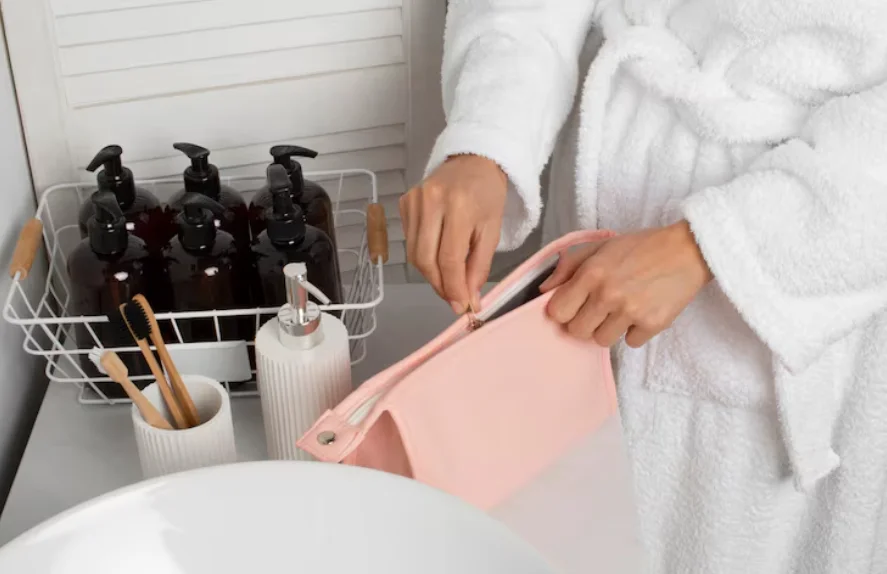
Sustainability doesn’t always begin with dramatic lifestyle changes. More often, it starts with small, consistent swaps in the spaces we use every day. The bathroom, in particular, is one of the most overlooked areas when it comes to reducing waste and choosing environmentally conscious alternatives. From plastic-heavy packaging to disposable hygiene tools, the average routine can generate far more waste than most people realize.
Yet transforming this space doesn’t require perfection. It requires awareness—and better choices.
One of the most effective ways to rethink bathroom consumption is to focus on materials. Many everyday items are made from synthetic plastics designed for convenience rather than longevity or environmental responsibility. Replacing even one or two of these products with plant-based or biodegradable alternatives can significantly reduce your long-term footprint.
That’s where thoughtful brands and natural materials come into play.
The Problem with Conventional Bathroom Tools
Take, for example, the common bath sponge or shower scrubber. Most are made from petroleum-based plastics that shed microplastics and eventually end up in landfills or waterways. They’re inexpensive and widely available, but they’re also disposable by design.
Similarly, plastic bottles dominate shelves—body wash, shampoo, conditioner, lotion, and more. Even when recyclable, many containers are never properly processed due to contamination or local recycling limitations.
When we zoom out, it becomes clear: the issue isn’t hygiene or comfort—it’s the material lifecycle.
A more responsible routine focuses on durability, compostability, refillability, and reduced packaging.
Rediscovering Plant-Based Alternatives
Long before synthetic sponges existed, people relied on natural fibers and plant-based materials for bathing and cleaning. One of the most enduring examples is the natural loofah.
Unlike plastic mesh poufs, a natural loofah is derived from the fibrous interior of the luffa plant. When dried and prepared properly, it becomes a gentle yet effective exfoliating tool. Its structure allows for improved circulation and mild skin polishing without contributing to microplastic pollution.
From an environmental standpoint, the benefits are significant:
- Compostable at end of life
- Biodegradable
- Free from synthetic dyes and polymers
- Derived from renewable crops
It’s a simple shift—but one that aligns daily habits with ecological awareness.
Rethinking Product Formulas and Packaging
Materials aren’t the only thing worth reconsidering. Product formulation and packaging are equally important.
Many personal care items still contain harsh surfactants, artificial fragrances, or preservatives that can irritate sensitive skin and wash into waterways. Meanwhile, the packaging often contributes more to environmental damage than the product itself.
Sustainable brands have begun focusing on:
- Minimalist ingredient lists
- Plant-derived formulas
- Recyclable or compostable packaging
- Refillable systems
These shifts represent a broader movement toward intentional consumption—buying fewer, better products that align with both personal and environmental health.
Building a Low-Waste Bathroom Routine
Transitioning to a lower-waste bathroom doesn’t have to happen overnight. In fact, gradual change is often more sustainable long term.
Here’s a practical approach:
1. Replace When It’s Time
Instead of discarding usable items, wait until something runs out or wears out. Then choose a more responsible alternative.
2. Focus on High-Impact Swaps
Items used daily—such as exfoliators, soap packaging, and haircare containers—offer the greatest opportunity for improvement.
3. Prioritize Multi-Use Products
Fewer products mean less packaging and lower consumption overall.
4. Support Transparent Brands
Look for companies that clearly outline sourcing practices, materials, and sustainability goals.
Brands like Eco Roots have helped normalize zero-waste alternatives by offering thoughtfully designed essentials that prioritize compostable materials and plastic-free packaging. Supporting businesses that commit to long-term sustainability signals demand for better systems industry-wide.
The Psychology of Sustainable Habits
An interesting aspect of sustainable living is that small changes tend to compound. When someone replaces a disposable sponge with a plant-based alternative, they begin noticing other opportunities for improvement. That awareness often extends beyond the bathroom—into the kitchen, travel habits, and purchasing decisions.
This psychological shift is powerful.
Research in behavioral science shows that identity-based habits are more likely to stick. When individuals begin seeing themselves as environmentally responsible consumers, their decisions naturally align with that identity.
Switching to a natural loofah, for instance, isn’t just about exfoliation—it becomes part of a broader commitment to mindful living.
Environmental Impact: Why Materials Matter
The environmental cost of plastics goes beyond visible waste. Production relies on fossil fuels, contributes to greenhouse gas emissions, and often involves complex chemical processes.
Plant-based alternatives, on the other hand, generally require:
- Renewable agricultural inputs
- Lower processing energy
- No synthetic additives
While no product is entirely impact-free, biodegradable materials reduce long-term environmental persistence. When composted properly, natural fibers return to the soil rather than accumulating in landfills.
This lifecycle difference is crucial.
Aesthetic and Experience Benefits
Beyond sustainability, many people find that natural materials enhance their daily routine. A plant-based exfoliator has a different texture, scent, and tactile quality than synthetic versions. These subtle sensory shifts can elevate the bathing experience, turning it into a ritual rather than a rushed task.
Likewise, simplified packaging often looks cleaner and more intentional in a bathroom setting. Minimal design reflects clarity—not clutter.
As consumers become more selective, aesthetic simplicity and environmental consciousness increasingly overlap.
Long-Term Cost Considerations
There’s a common misconception that sustainable alternatives are always more expensive. While some eco-conscious products may have a slightly higher upfront cost, they often last longer and eliminate the need for frequent replacements.
A durable loofah that composts naturally at the end of its lifespan may cost more than a plastic pouf—but it avoids contributing to waste streams and microplastic pollution.
Similarly, supporting companies such as Eco Roots often means investing in quality materials designed with longevity in mind.
Sustainability is less about cheap convenience and more about long-term value.
Moving Toward Conscious Consumption
The broader shift happening in personal care reflects a cultural reevaluation of convenience. For decades, disposability was equated with progress. Today, resilience and renewability are increasingly valued instead.
Making mindful bathroom swaps may seem small in isolation, but collectively, these decisions shape markets and manufacturing priorities.
If more consumers choose biodegradable exfoliators over plastic mesh alternatives, production trends will follow.
If more households support brands committed to sustainable sourcing, those standards become competitive advantages.
Change begins with individual action—but scales through shared behavior.
Sustainability doesn’t demand perfection. It invites awareness. The bathroom—often overlooked—is an ideal starting point for reducing waste and embracing natural materials.
A simple switch to a natural loofah can eliminate synthetic plastics from one part of your routine. Supporting transparent companies like Eco Roots reinforces the demand for responsible production.
Over time, these small adjustments accumulate into meaningful impact.
And sometimes, the most effective environmental choices are the quietest ones—woven seamlessly into everyday life.

Hilary Gumbel: A Closer Look at Her Impactful Life

Tim Duncan Wife: A Glimpse into Their Family Life and Legacy

Michael Charles Gosselaar: Unveiling His Life and Career