

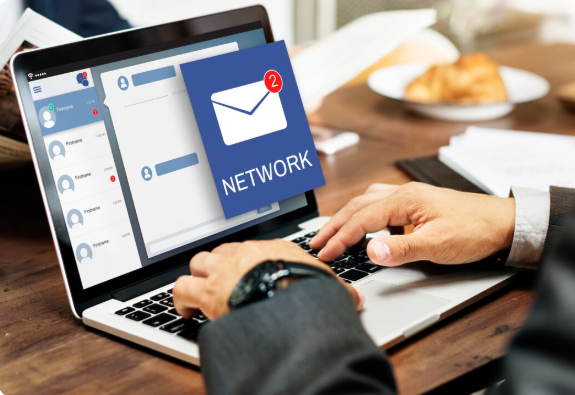
Understanding the Power of Interactive Email Elements
Emails used to be pretty one-way streets. You got a message, you read it, maybe you clicked a link. That was about it. But now, things are changing. Interactive email elements, like those offered by Sendtric, are making emails feel more like a conversation. They grab attention because people can actually do something right there in their inbox. Think about it: instead of just seeing a picture of a new shirt, you can click through a small gallery of different colors without even leaving the email. This makes the whole experience feel more personal and less like just another ad.
These interactive elements are changing how we think about email marketing.They turn passive readers into active participants. When someone clicks on a poll or answers a quick question within an email, they’re not just consuming content; they’re contributing to it. This kind of interaction makes the email memorable. It’s not just about getting a message across; it’s about creating an experience that sticks with the recipient long after they’ve closed the message. Sendtric widgets are designed to make this easy.
It’s a big shift from the old days of static emails. Now, marketers can gather feedback, showcase products dynamically, and even let people add items to a cart, all within the email itself. This direct engagement builds a stronger connection between the brand and the customer. It shows that the brand cares about the recipient’s input and wants to make their experience as smooth as possible. This is where Sendtric really shines.
Boosting User Interaction with Dynamic Content
Dynamic content in emails isn’t just about changing a name. It’s about making the entire email feel alive and relevant. Sendtric widgets can pull in real-time information or offer interactive features that change based on user input or other data. This makes each email feel custom-made for the person receiving it, even if it’s sent to thousands of people.
Imagine getting an email with a product you looked at yesterday, and you can see its current price or even add it to your cart right there. That’s dynamic content in action. It cuts down on the steps needed to make a purchase and makes the whole process feel much more convenient. This kind of immediate interaction is what keeps people engaged and makes them more likely to complete a transaction.
Dynamic content makes emails more than just a broadcast; it makes them a tool. It can show new arrivals, highlight special offers that are about to expire, or even let users customize an offer on the spot. This level of interaction is what separates a good email campaign from a great one. Sendtric widgets are built to handle this kind of dynamic presentation.
Creating Memorable Campaigns Through Engagement
What makes an email campaign stick in someone’s mind? It’s usually not just the words; it’s the experience. When people can interact with an email, whether it’s by taking a quick poll, playing a simple game, or exploring a product gallery, they remember it. Sendtric widgets are designed to create these memorable moments.
Think about a campaign that asks for your opinion on a new product idea. A simple poll within the email lets you share your thoughts instantly. This makes you feel heard and involved. Later, when you see that product in a store or online, you might recall that you helped shape it, creating a positive association with the brand. This kind of engagement builds loyalty.
Ultimately, memorable campaigns are built on interaction. They move beyond just informing to involving. By using tools like Sendtric’s interactive widgets, marketers can create emails that people want to open, engage with, and remember. This leads to stronger customer relationships and better campaign results overall.
Driving Conversions with Time-Sensitive Widgets
Creating Urgency with Countdown Timers
Countdown timers are a simple yet effective way to get people to act fast. They show a clock ticking down to a specific event, like a sale ending or a special offer expiring. This visual cue creates a sense of urgency, making recipients feel like they need to make a decision quickly before the opportunity is gone. It taps into the fear of missing out, a powerful motivator in marketing. Using these timers in emails can really push people towards making a purchase.
The key is to make the deadline clear and the offer compelling. When people see time is running out, they’re more likely to click through and complete a transaction. This approach works well for flash sales, limited-time discounts, or even early bird registration for events. The countdown widget itself becomes a call to action, prompting immediate engagement.
Time-sensitive widgets are not just about showing a clock; they’re about creating a narrative of scarcity and immediate value. This narrative guides the recipient’s decision-making process.
Reducing Friction in the Purchase Journey
Making it easy for customers to buy is super important. Time-sensitive widgets can help by cutting out extra steps. Imagine a customer sees a great deal in an email, and right there, they can add the item to their cart or even complete the purchase without leaving their inbox. This cuts down on the clicks and pages they’d normally have to go through.
When you reduce the effort needed to buy something, especially when there’s a deadline, people are much more likely to follow through. This is where widgets that show live cart information or allow quick add-to-cart actions really shine. They simplify the whole process, making it a smooth ride from seeing the offer to owning the product.
- Streamlined Checkout: Direct links to checkout from the email.
- Quick Add-to-Cart: Buttons that add items directly from the email.
- Real-time Updates: Showing current stock or price changes.
Personalizing Offers for Higher Conversion Rates
People respond better when an offer feels like it’s just for them. Time-sensitive widgets can be personalized to show specific deals based on what a customer has looked at or bought before. For example, a countdown timer for a product they viewed recently can be much more effective than a generic sale announcement.
This kind of personalization makes the urgency feel more relevant. Instead of a general rush, it’s a specific opportunity tailored to their interests. When combined with a time limit, these personalized offers can significantly boost conversion rates because they hit the mark directly. It shows the customer that the brand understands their needs and preferences.
Types of Sendtric Email Widgets to Consider
Sendtric email widgets can really change how people interact with your emails. Instead of just reading, they can actually do things right there in their inbox. This makes emails more interesting and can lead to better results for your marketing.
Interactive Polls and Surveys for Audience Insights
Want to know what your customers think? Polls and surveys are a great way to find out. You can put a quick question or a few options right in the email. People can click their answer without leaving their inbox. This makes it super easy for them to give feedback. It’s a simple way to get real opinions and understand what your audience wants. You can use these widgets to check on customer happiness or see what new products they might like.
Live Shopping Carts for Seamless Transactions
Imagine a customer gets an email about items left in their cart. With a live shopping cart widget, they can see those items, change quantities, or even remove them, all within the email itself. This cuts out extra steps and makes buying much faster. It’s especially helpful for bringing back customers who might have forgotten about their items. This kind of widget makes the whole buying process smoother and can really help close sales.
Dynamic Image Galleries for Product Showcase
Showing off products? Dynamic image galleries let you display multiple pictures or product variations right in the email. Recipients can scroll or swipe through them, getting a good look without clicking away. This is perfect for new arrivals or special collections. It keeps people looking at your products longer and makes them more likely to click through to buy. These galleries present visuals in a neat, compact way, making product emails more engaging.
Using these types of Sendtric email widgets can make your marketing stand out. They turn passive emails into active experiences.
It’s important to remember that not all email programs show these widgets the same way. Testing your emails on different platforms like Gmail and Outlook is a good idea. You want to make sure everyone sees your message clearly, even if their email client doesn’t support all the fancy interactive bits. Providing a simple alternative, like a static image, is a smart move. This way, no one misses out on the important information or the chance to engage with your brand.
Best Practices for Implementing Interactive Widgets
Implementing interactive widgets in your email campaigns is a smart move, but it’s not just about adding cool features. You’ve got to think about how people will actually see and use them. It’s about making things work smoothly for everyone, no matter what email app they use.
Strategic Design and Placement for Visibility
Think about where you put your interactive elements. If you have a countdown timer for a sale, it should be right there when someone opens the email, not buried at the bottom. Keep the design clean, too. The widget should fit in with the rest of your email, not stick out like a sore thumb. Too many interactive bits can just make the email look messy and confusing. Make sure the main call to action is clear.
Ensuring Cross-Platform Compatibility
This is a big one. Not all email programs show interactive stuff the same way. Gmail might handle a poll perfectly, but Outlook could show a broken mess. You need to test your emails everywhere. Use tools like Litmus or Email on Acid to see how your widgets look on different devices and email clients. If a widget doesn’t work in one client, have a backup plan. Maybe a static image that links to the interactive version online. This way, everyone gets a good experience.
Balancing Creativity with Email Deliverability
While you want your emails to be engaging, don’t go overboard. Really complex widgets with lots of code or big files can slow down loading times. Worse, they might even get flagged as spam. Keep your designs light and efficient. Use compressed images and clean code. The goal is to make the email load fast, especially on phones, and land in the inbox, not the spam folder. Testing your interactive widgets is key here.
The Future of Interactive Email Marketing
Emerging Trends in Email Widget Technology
The landscape of email marketing is changing fast. New tech like AMP for Email is letting us put more complex stuff right into emails. Think forms you can fill out or products you can browse, all without leaving your inbox. HTML5 is also getting better, making these interactive bits work more places. This means fewer headaches for marketers trying to make things look right everywhere. The goal is to make emails feel less like a one-way street and more like a conversation. We’re seeing email widgets become smarter, too.
These tools are getting better at showing people what they want to see, right when they want to see it. It’s all about using data to make emails feel personal. Imagine an email that changes its offers based on what you’ve looked at before, or even what time of day it is. This kind of real-time adjustment is what the future holds. It’s not just about sending emails anymore; it’s about creating experiences that adapt to the user. This is where interactive email widgets really shine.
We’re moving towards emails that are more than just messages. They’re becoming mini-applications within your inbox. This shift means marketers need to think about how to build these dynamic experiences. It’s an exciting time for anyone looking to connect with their audience in new ways. The potential for engagement is huge, and the technology is catching up fast.
AI-Driven Personalization in Emails
Artificial intelligence is set to play a big role in how interactive email widgets work. AI can look at a lot of data about a user – what they click on, what they buy, even when they open emails – and use that to make the email content super relevant. This means the widgets inside the email can change on the fly. For example, a product recommendation widget could show you items you’re actually likely to buy, not just random popular items.
This level of personalization goes beyond just using someone’s first name. It’s about tailoring the entire experience. AI can help predict what a user might be interested in next and present it through an interactive element. This makes the email feel less like a mass broadcast and more like a personal shopper. The aim is to create a unique interaction for every single recipient. This makes the email much more effective.
Think about it: an email that knows you’re looking for a specific type of shoe and then shows you a live poll asking which color you prefer, with the results updating in real-time. That’s the kind of smart, personalized interaction AI can enable. It’s about making the email work harder for both the user and the marketer.
The Evolution of Email into Interactive Experiences
Emails are no longer just static blocks of text and images. They’re becoming dynamic spaces where people can do things. This evolution means that marketers have a new playground to get creative. Instead of just asking people to click a link to a website, they can now offer actions directly within the email itself. This makes the whole process smoother for the customer.
We’re seeing this with things like live shopping carts or quick polls. You can respond to a survey or add an item to your cart without ever leaving your inbox. This reduces the steps a customer needs to take, which often means more people will actually do it. It’s about making the customer’s journey as easy as possible. This shift transforms emails from simple messages into mini-websites or apps.
This move towards interactive experiences is changing how we think about email marketing. It’s not just about sending out messages anymore; it’s about building engaging platforms. As technology continues to advance, we can expect even more innovative ways for emails to become interactive. The future looks bright for emails that do more than just inform – they entertain, assist, and convert.
Wrapping Up: The Power of Interactive Email
So, it’s pretty clear that interactive email widgets are changing the game for marketers. They take emails from just being something you read to something you actually do something with, right there in your inbox. This means more people pay attention, click around, and maybe even buy something. By adding things like countdown timers for sales or quick polls to get opinions, businesses can make their messages feel more alive and relevant. It’s not just about looking fancy; it’s about making the customer’s journey smoother and more engaging. As technology keeps moving forward, expect these widgets to get even smarter and more personalized, making email a truly dynamic tool for connecting with customers.
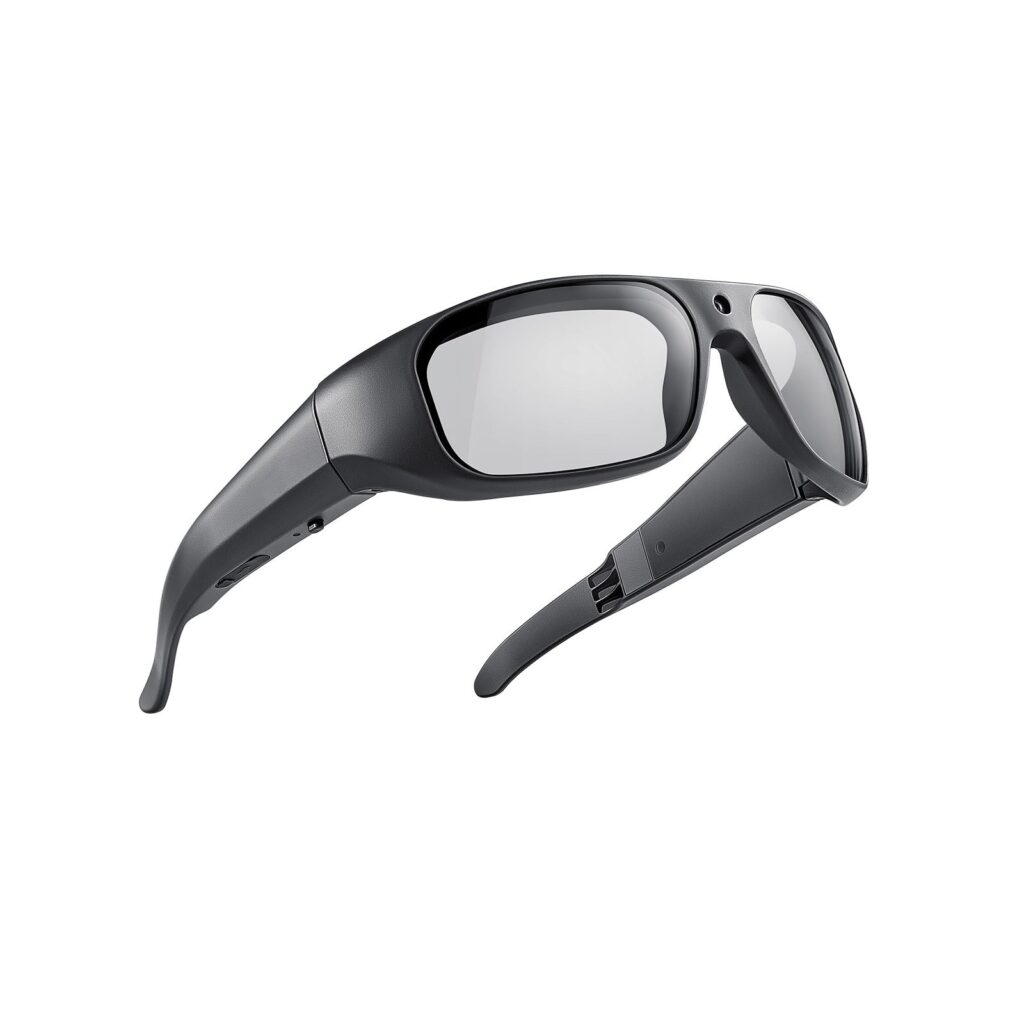
What Makes Eye Glass Video Cameras Ideal for Outdoor Enthusiasts?

What are the Most Popular Online Casino Games?

Five Advanced Ways to Use AI Video Generators
