You might put off routine checkups until something hurts. That choice often leads to deeper pain, higher costs, and lost time. Routine care is more effective after treatment. Regular visits catch small problems before they grow. You protect your teeth, gums, and jaw. You also protect your heart health and blood sugar. Many serious health problems first show up in your mouth. A dentist can see signs you cannot see in a mirror. You get clear answers, simple steps, and quick care. For a dentist in Schaumburg, routine checkups mean careful exams, cleanings, and honest talk about your daily habits. Each visit builds a record of your health. That record helps your dentist spot changes early. You gain control. You avoid emergency visits. You keep your smile strong and steady through every stage of life.
What Happens During A Routine Checkup
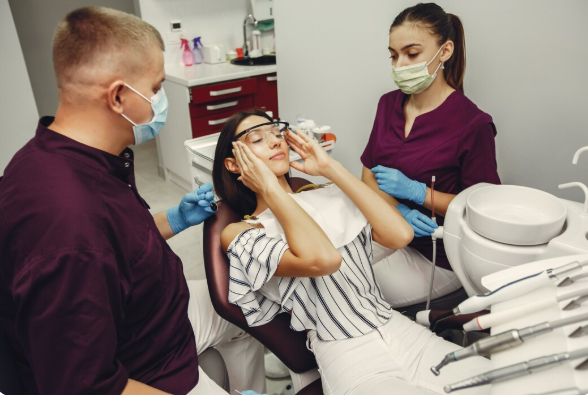
Routine checkups follow a simple pattern. You know what to expect. That helps lower fear and stress.
- Review of your health history and medicines
- Questions about pain, dry mouth, or bleeding
- Careful look at teeth, gums, tongue, and cheeks
- Cleaning to remove plaque and tartar
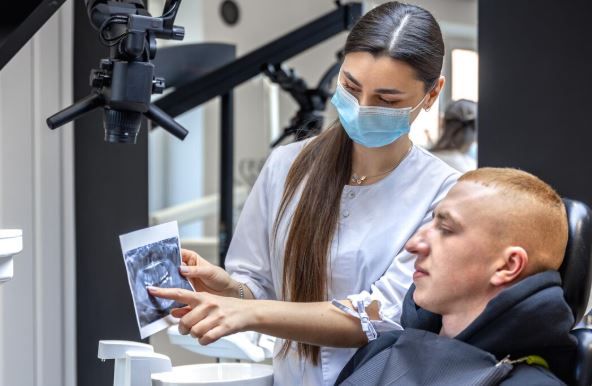
- X rays when needed to see hidden problems
- Short talk about brushing, flossing, and food choices
Each part serves a clear purpose. The exam finds early decay. The cleaning removes hard buildup that brushing cannot touch. The talk helps you adjust small habits at home. Together, these steps lower your risk of tooth loss and infection.
Why Oral Health Affects Your Whole Body
Your mouth links to the rest of your body. Infection in your gums can spread through your blood. That strain can raise your risk of heart disease and stroke. It can also make blood sugar control harder for people with diabetes.
The Centers for Disease Control and Prevention explains that poor oral health is connected to many chronic diseases. Routine checkups help cut this risk. Clean gums bleed less. Clean teeth hold fewer germs. Your body faces less stress.
Routine visits also help spot signs of oral cancer, eating disorders, and infections from tobacco use. Early spotting often means simpler care and higher survival.
Routine Checkups Versus Emergency Visits
Many people wait for a crisis. A broken tooth. A swollen face. Sudden sharp pain at night. Emergency care feels urgent and rough. Routine care feels calm and planned.
| Type of visit | Typical reason | Cost impact | Stress level | Control over treatment
|
|---|---|---|---|---|
| Routine checkup | Prevention and early spotting | Lower over time | Lower | Higher |
| Emergency visit | Pain, swelling, trauma | Higher per visit | Higher | Lower |
Routine checkups give you time to ask questions and plan care. Emergency visits often focus only on stopping pain. You face more extractions, root canals, and complex work. That means more missed work and school.
How Often You and Your Family Should Go
Most people need a checkup every six months. Some need more visits each year. The right schedule depends on your risk.
- Children with baby teeth often need visits every six months
- Teens with braces may need cleanings more often
- Adults who smoke or have diabetes often need more frequent care
- Pregnant people often need extra checks because hormones affect gums
- Older adults with dry mouth or many medicines need closer watching
The American Dental Association explains that your dentist should set a personal recall plan based on your needs.
What Routine Checkups Catch Early
Routine visits catch silent problems. These problems often do not hurt at first. Pain comes late.
- Small cavities between teeth
- Early gum disease
- Cracked fillings
- Worn enamel from grinding
- Dry mouth from medicines
- White or red patches that may signal cancer
Early care often means simple fillings, short cleanings, and home care changes. Late care often means crowns, surgery, or extractions. Early care also protects kids as their adult teeth come in. That protection helps shape lifelong habits.
Helping Children Build Strong Habits
Routine checkups teach children that the dental office is a safe place. Short, calm visits build trust. Your child hears clear messages. Brush. Floss. Limit sugary drinks. Wear a mouthguard for sports.
You can help by
- Starting visits by the first birthday or first tooth
- Staying positive when you talk about the dentist
- Reading simple books about dental visits before the appointment
- Setting a steady morning and night brushing routine
Children who grow up with routine care often feel less fear as adults. They face fewer extractions and less pain.
Overcoming Fear, Shame, and Delay
Many people avoid the dentist because of fear, past trauma, or shame about their teeth. That delay often leads to more damage. You may feel judged or exposed. Routine checkups can break that cycle.
You can start by telling the office staff about your fear when you book the visit. You can ask for short visits at first. You can bring music or a support person. You can ask the dentist to explain each step before it happens. Step by step, your sense of control grows. Each clean visit replaces an old, harsh memory.
Simple Steps Between Visits
Routine checkups work best when you protect your mouth at home. You can keep your next visit short and simple if you
- Brush two times each day with fluoride toothpaste
- Floss once each day
- Limit sugary drinks and snacks
- Drink tap water if it has fluoride
- Wear a mouthguard during sports
- Quit tobacco and avoid vaping
Each small choice cuts your risk. Routine checkups then confirm your progress. Your dentist can adjust your plan if new problems appear.
Taking The Next Step
Routine checkups are not a luxury. They are simple safety checks for your mouth and body. You save money, time, and strength when you stay ahead of problems. You give your family a clear model of steady self-care. The next move is clear. Schedule your visit. Bring your questions. Claim steady control over your oral health, one routine checkup at a time.

Massage Chair Safety in Pregnancy: Australia's Pros and Cons

Empathetic ADHD Care: Unlocking Better Mental Health for Adults
The Myth of One-Size-Fits-All: What Personal Care Reveals About Individual Living