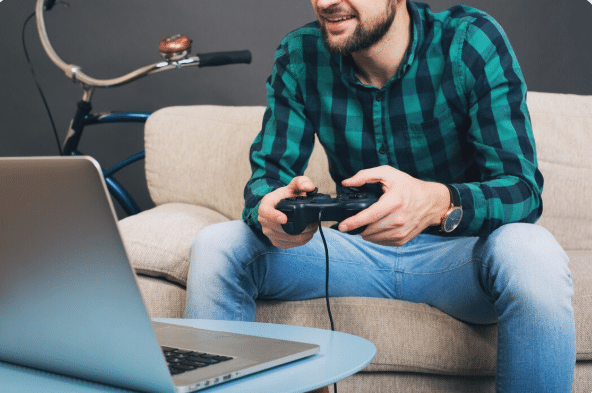
The Pitfalls of Ordinary Chairs for Serious Gamers
Standard chairs — whether pulled from a dining set or grabbed cheaply from an office supply store — share one critical flaw: they were designed for short-term sitting, not extended, high-focus gaming sessions. Most feature flat, rigid seats with minimal contouring, offering no meaningful support where the body actually needs it. The result is a slow, session-by-session breakdown of posture that many gamers don’t even notice until the damage is done.
 The most damaging shortcoming is the absence of proper lumbar support. The lower spine has a natural inward curve, and without a chair that reinforces it, that curve gradually collapses under sustained sitting pressure. Muscles compensate by overworking, leading to the familiar burning tension that sets in around hour two or three. Neck stiffness follows as the head drifts forward to compensate for a collapsing core posture.
Beyond lumbar neglect, ordinary chairs offer almost no adaptability. Fixed armrests force unnatural shoulder angles during mouse and keyboard use. Non-adjustable seat heights push knees into awkward positions. Rigid backrests can’t accommodate the subtle, constant micro-movements gamers make — leaning into a turn, tensing during a clutch moment, shifting weight during long stretches. These small misalignments accumulate rapidly, turning a two-hour session into a physical ordeal and directly undermining the focus and reaction speed that competitive gaming demands.
Introducing the Solution: The Massage Gaming Chair Revolution
Gaming chairs have come a long way from the racing-seat aesthetic that dominated the early 2000s. What started as a cosmetic upgrade over basic office seating has evolved into a category of purpose-built furniture that takes gamer physiology seriously. The latest development in this evolution is the massage gaming chair — a seat engineered not just to hold you, but to actively support and recover your body during and after intense play.
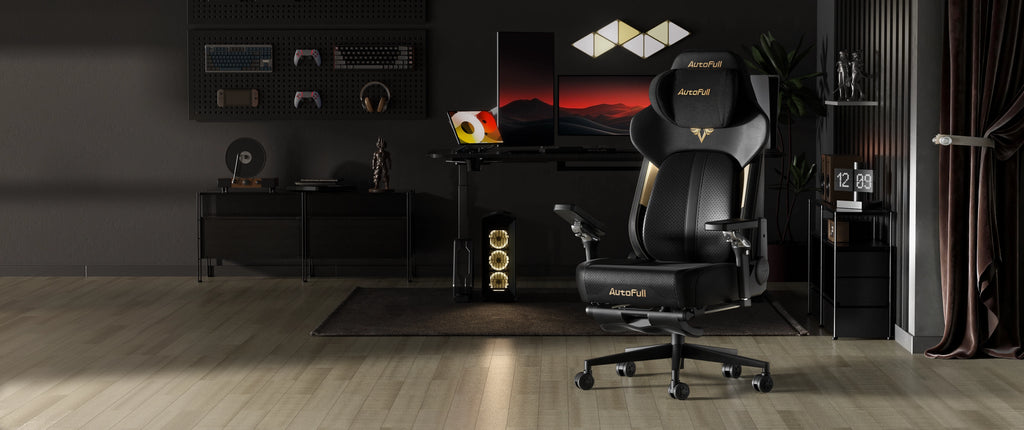
A massage gaming chair integrates therapeutic massage functions directly into an ergonomic frame built for extended sitting. Rather than treating pain as something you manage after a session, these chairs address muscle tension in real time — delivering targeted relief to the areas gamers strain most, particularly the lower back, shoulders, and neck. Brands like AutoFull have built their reputation around this exact philosophy, designing chairs that function as both a performance tool and a recovery device. For gamers who log serious hours, this dual purpose isn’t a luxury — it’s a practical solution to a very real physical problem that ordinary chairs simply aren’t equipped to handle.
Core Features That Make Massage Gaming Chairs Superior
Where ordinary chairs stop at basic cushioning, massage gaming chairs layer in multiple technologies that work together to combat the specific physical demands of long gaming sessions. Each feature targets a known weakness in conventional seating — whether that’s the static lumbar region, the rigid backrest, or the one-size-fits-all geometry that ignores individual body differences. Understanding what these features actually do helps you see why the upgrade isn’t cosmetic — it’s functional.
Lumbar Massage System: Targeted Relief for Lower Back Pain
The lumbar massage system is the centerpiece of what separates these chairs from standard ergonomic seating. Depending on the model, the system uses vibration motors, heated pads, or rolling nodes positioned directly at the lumbar zone — the area most gamers report as their primary pain source. Vibration mechanisms work by stimulating blood flow in compressed muscle tissue, breaking the cycle of tension that builds during prolonged sitting. Heat adds a secondary layer of relief by relaxing muscle fibers and reducing stiffness that typically peaks mid-session. The practical benefit is immediate: instead of powering through discomfort or stepping away to stretch every thirty minutes, you can activate relief directly from the chair, maintaining focus without sacrificing your body in the process.
Ergonomic Gaming Chair Design for Ultimate Spinal Support
Beyond the massage system, the structural design of a quality massage gaming chair does significant work on its own. High-density foam contouring follows the natural S-curve of the spine rather than forcing it into a flat plane. Adjustable seat height lets you align your hips correctly relative to your desk, preventing the forward pelvic tilt that collapses lumbar posture over time. Multi-directional armrests reduce shoulder elevation during mouse use — a subtle but meaningful source of upper back strain. Many models also feature a recline range that allows you to shift between an upright gaming posture and a more relaxed position during downtime, distributing spinal load across different muscle groups rather than concentrating it in one place throughout a session.
Optimizing Gaming Posture with Advanced Adjustability
Adjustable headrests keep the cervical spine neutral, preventing the forward head drift that strains neck muscles during intense focus. Seat depth adjustment accommodates different leg lengths, ensuring the thighs are supported without cutting circulation behind the knees. Tilt tension controls let you fine-tune how much resistance the backrest provides, so the chair responds naturally to your movements rather than fighting them. Together, these adjustments let you dial in a posture that’s both biomechanically correct and personally comfortable — a combination that directly extends how long you can play at full capacity.
How to Choose the Right Massage Gaming Chair: A Step-by-Step Guide
Choosing the right massage gaming chair starts with an honest assessment of your own pain points. Before browsing options, identify where discomfort typically hits first — lower back tension, neck stiffness, or hip pressure. This tells you which features to prioritize: a robust lumbar massage system for back sufferers, an adjustable headrest with neck support for those who crane forward, or deeper seat cushioning for hip and thigh relief. Your pain profile is your shopping guide.
Next, consider your typical session length. Casual gamers logging two to three hours can get by with lighter ergonomic features, while competitive players or streamers putting in six-plus hour days need chairs with full adjustability, multiple massage zones, and genuine high-density foam that won’t compress flat within months. Don’t let aesthetics drive the decision — a chair that looks aggressive but lacks proper recline range or lumbar depth will fail you quickly.
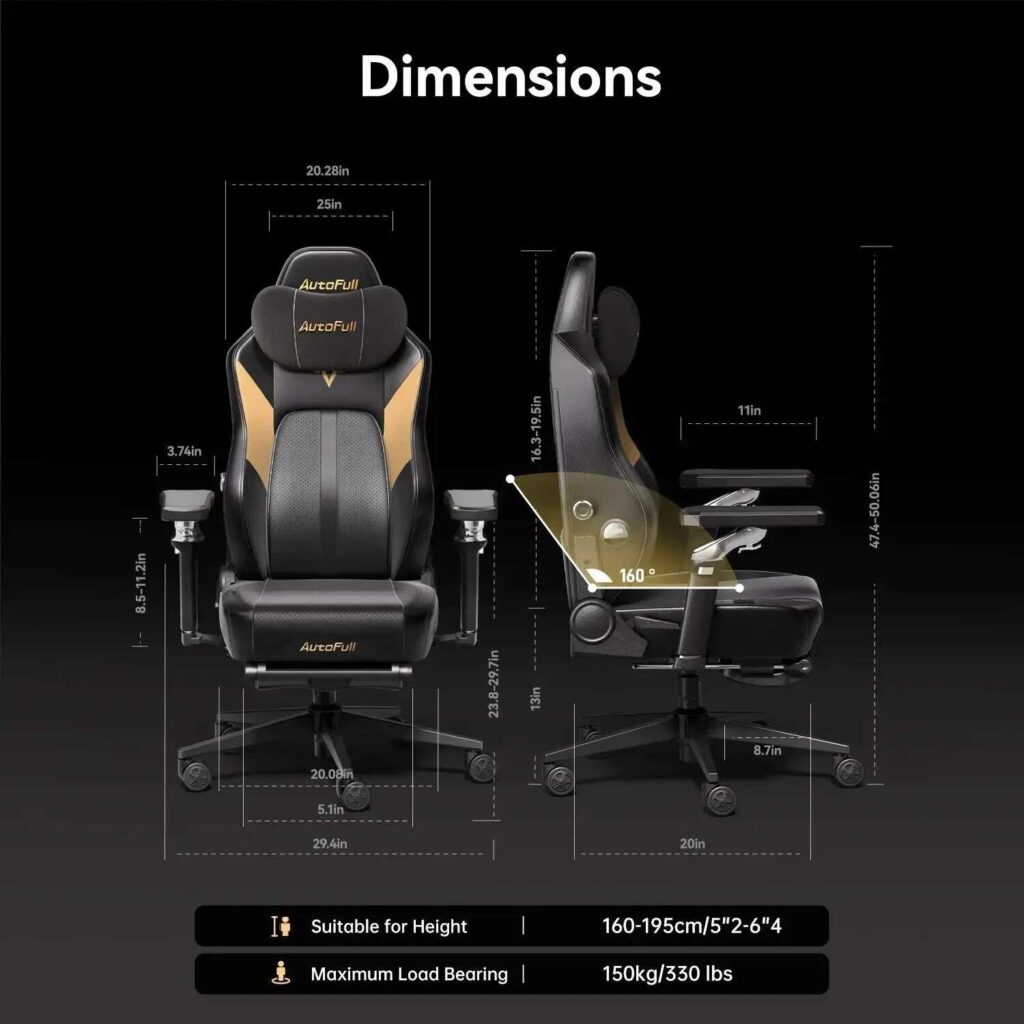
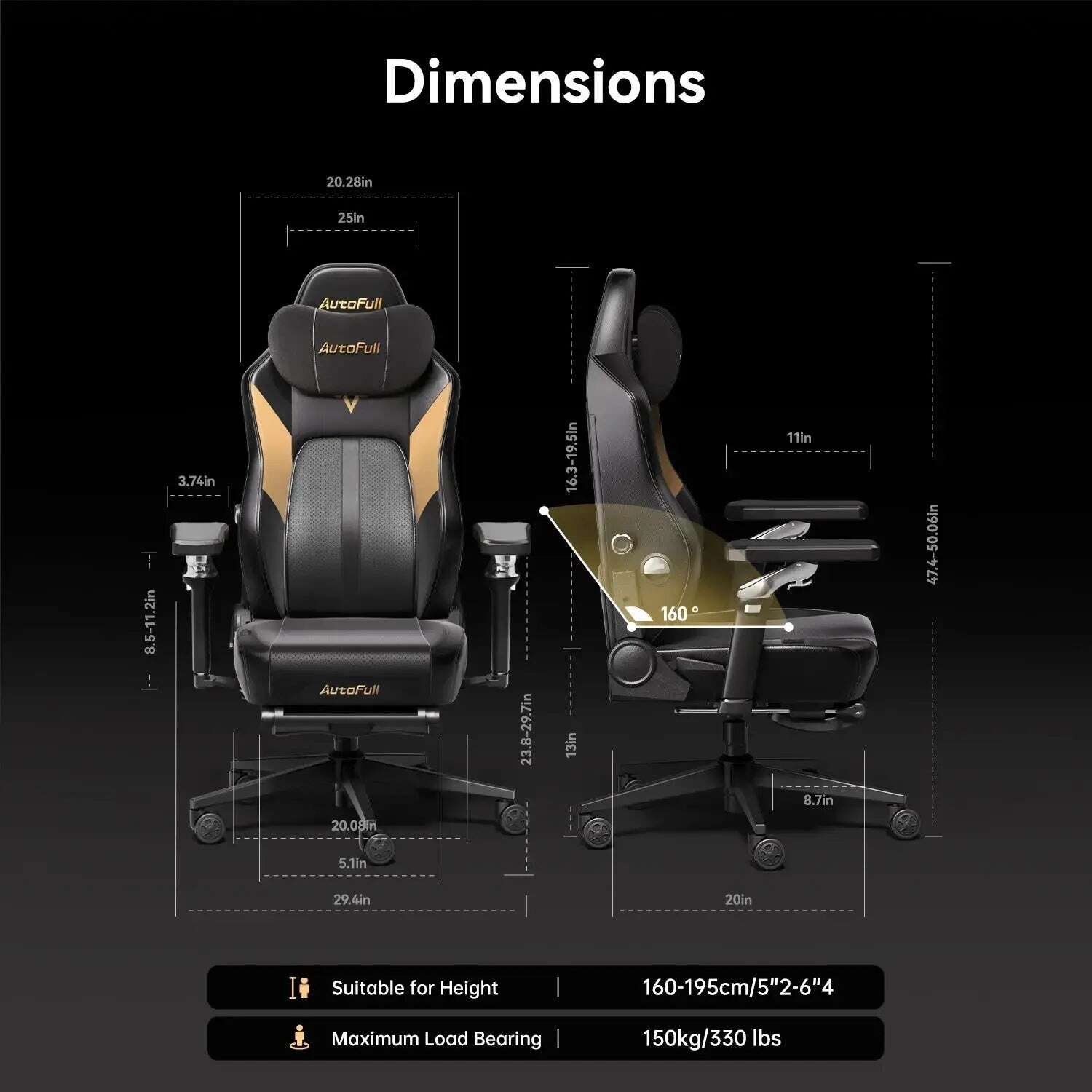
When evaluating specific models, cross-reference the following: massage mechanism type (vibration versus rolling nodes), number of adjustable points, maximum recline angle, armrest range of motion, and weight capacity relative to your build. Read verified user reviews specifically from people who game long hours, not casual sitters. If possible, test the chair in person — sit for at least ten minutes, activate the massage function, and check whether the lumbar zone actually aligns with your lower back. AutoFull, for instance, offers models with clearly documented lumbar positioning specs, which makes it easier to verify fit before committing. A chair that fits poorly in the showroom will only get worse at home.
Real-World Benefits: From Pain Reduction to Enhanced Gaming Performance
The difference a massage gaming chair makes becomes obvious within the first week of consistent use. Gamers who previously hit a wall of lower back pain around the two-hour mark report being able to push through four, five, even six hours without the same physical toll. That’s not just comfort — it’s additional competitive time that ordinary chairs were actively stealing from them.
Posture improvements compound over time. With the spine properly supported and muscle tension actively managed, the forward hunch that develops during intense focus starts to correct itself. Better posture means the neck stays neutral, reducing the headaches and eye strain that often get misattributed to screen time. One streamer described it plainly: “I stopped dreading long sessions. I used to log off because my back forced me to. Now I log off because I choose to.” That shift — from pain-driven breaks to intentional ones — is exactly what separates a tool designed for gaming from one that merely tolerates it. Ordinary chairs wear you down; a quality massage gaming chair actively works against that process, keeping your body ready and your focus intact from the first minute to the last.