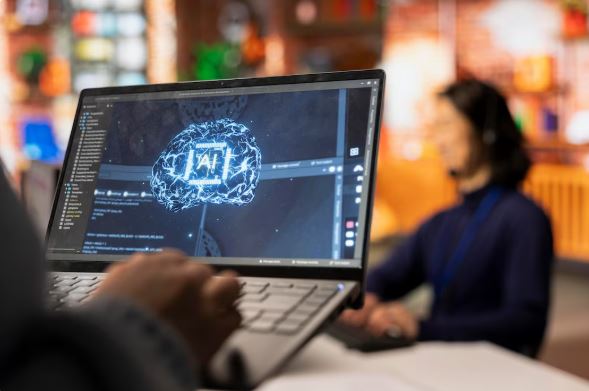
Across India’s fast-evolving digital landscape, organisations are increasingly turning to enterprise artificial intelligence to stay competitive and responsive. What was once seen as an emerging experiment has now become a core part of business strategy.
From retail to finance and healthcare, enterprise AI is quietly reshaping how decisions are made, how customers engage and how operations are run at scale.
A Deep Dive into India’s Enterprise AI Boom in 2026
From Experimentation to Enterprise-Wide Adoption
India’s enterprise AI journey has moved rapidly from pilot projects to full-scale deployment. As per the Outlook 2026 report, around 76% of business leaders in India believe that GenAI will have a major impact on their organisations.
Businesses are no longer asking if AI should be adopted, but how fast it can be embedded across functions. This shift is being driven by growing data maturity, improved cloud infrastructure and the need for faster, more intelligent decision-making.
Personalisation That Feels Effortless
One of the biggest shifts we are seeing is how personalisation has become almost seamless yet far more impactful. With deeper data integration, companies can now deliver hyper-personalised experiences that feel human.
From a retail brand in Delhi anticipating what a shopper might want next, to a fintech company in Pune offering loan options in real time, enterprise artificial intelligence is making every interaction feel bespoke and useful.
Efficiency Without Losing the Human Touch
71% of Indian businesses have achieved positive ROI since adopting GenAI across their operations. The most successful Indian companies today are not using AI to replace their people; they are using it to augment them. Currently, 77% of organisations rely on AI for code generation, while 76% use it for reviews and bug resolution.
Nowadays, businesses are using enterprise artificial intelligence to handle repetitive tasks while ensuring human teams can focus on relationships, creativity and strategic thinking. This blend is what makes modern customer experiences feel both efficient and personal.
Adapting to Market Changes in Real Time
The Indian market is famously volatile and diverse. In 2026, enterprise AI acts as a radar.
Businesses are using agentic systems that do not just report on the past but actively predict shifts in local supply chains or sudden changes in consumer sentiment across different states. This real-time adaptability has become the new benchmark for staying competitive.
While the global GenAI adoption rate sits at 56%, 66% Indian businesses have already started or plan to adopt AI this year.
Enterprise AI Across Core Business Functions
| Business Function | Role of Enterprise AI | Advantage |
| Sales | Automation of routine tasks like CRM updates, email follow-ups, pitch creation and agreement generation. | Faster conversions and improved win rates. |
| Marketing | Campaign creation, management and performance tracking. | Higher engagement with reduced spend. |
| Customer Service | Intelligent chat support and 24/7 issue resolution. | Improved efficiency, faster resolution and reduced escalation to human agents. |
| Business Operations | Workflow automation and predictive analysis. | Reduced operational bottlenecks and employee burnout. |
| IT Operations | Real-time monitoring and anomaly detection. | Enhanced system security and improved uptime. |
Conclusion
In 2026, enterprise AI is no longer a future ambition for Indian businesses. It has become a real, everyday necessity, shaping how organisations operate and grow.
From improving the way companies engage with customers to making internal processes run more smoothly, its impact can be seen across every major function. Organisations that embrace it early are already seeing stronger agility and sharper customer experiences.
As we move through 2026, the winners will be those who use enterprise artificial intelligence from platforms like Salesforce, not just for speed but to cultivate deeper, more meaningful connections.

How to Evaluate the Credibility of Online Technology Platforms Before Using Them
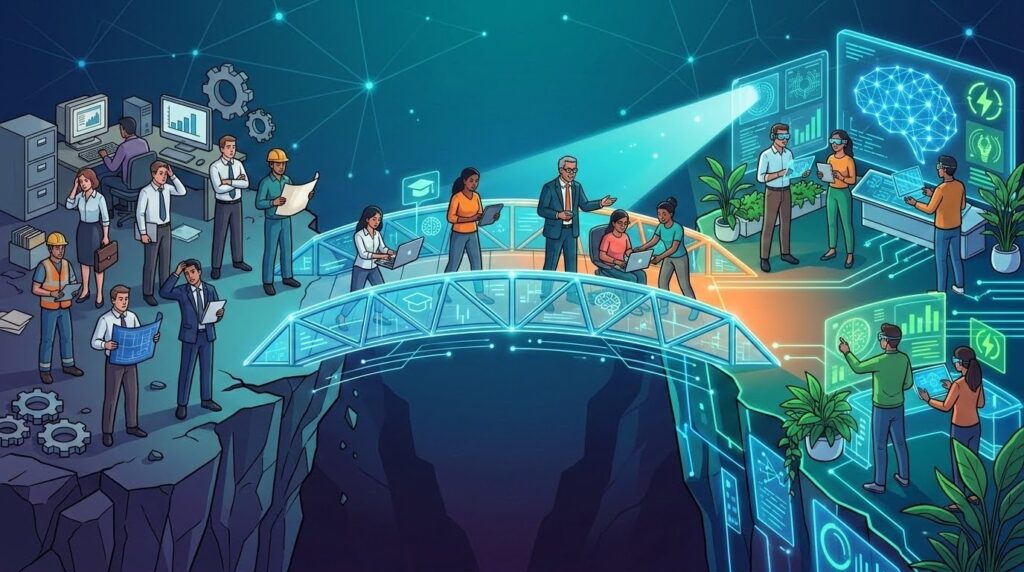
The AI Skills Gap Is Growing and Here's How Companies Are Closing It.
The Hidden Half of AI Image Creation – Editing, Iteration, and Control