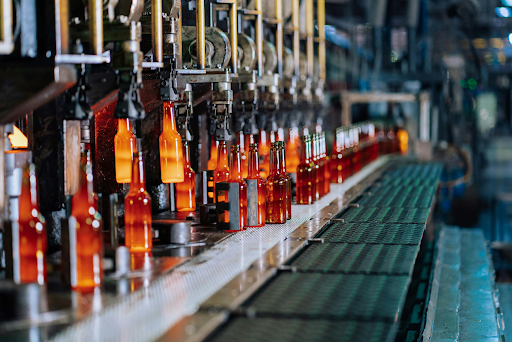
Glass manufacturing is one of the world’s oldest industries, yet modern production facilities have evolved into highly advanced operations powered by sophisticated machinery, automation, and precision engineering. From architectural glass and automotive windshields to solar panels and household products, glass plays an essential role in everyday life.
Behind every finished product lies a manufacturing process that relies on extremely high temperatures. Glass must be heated, shaped, cooled, and inspected under carefully controlled conditions to ensure quality and durability. Because of these demanding processes, managing heat exposure is one of the most important aspects of workplace safety within glass manufacturing facilities.
By combining engineering controls, employee training, modern equipment, and appropriate protective measures, manufacturers can create safer working environments while maintaining efficient production.
Why High Temperatures Are Essential
Glass is produced by heating raw materials such as silica sand, soda ash, and limestone until they melt into a molten state. Industrial furnaces typically operate at temperatures exceeding 1,500°C, allowing these materials to combine into liquid glass before being shaped into various products.
Once the molten glass leaves the furnace, it passes through several stages including forming, cutting, annealing, inspection, and packaging. Although temperatures gradually decrease throughout production, many work areas continue to expose employees to elevated heat levels.
Unlike many manufacturing industries where heat is limited to specific machines, glass production requires multiple high-temperature processes operating continuously throughout the facility.
Engineering Controls That Reduce Heat Exposure
One of the first priorities for modern glass manufacturers is reducing unnecessary worker exposure to extreme heat through engineering controls.
Production lines are designed to separate employees from the hottest equipment whenever possible. Automated conveyors transport molten or newly formed glass between different production stages, reducing the need for manual handling.
Heat-resistant barriers and insulated equipment help contain radiant heat around furnaces and processing systems. Many facilities also install advanced ventilation systems that improve air circulation and remove excess heat from work areas.
Together, these engineering solutions create a more comfortable and safer working environment without affecting production efficiency.
Automation Improves Workplace Safety
Automation has transformed many aspects of glass manufacturing over the past two decades.
Robotic systems now perform numerous tasks that previously required employees to work close to hot materials. Automated handling equipment can transport glass sheets, remove finished products, stack materials, and assist with quality inspections.
Computer-controlled production systems also allow operators to monitor furnace temperatures and equipment performance from dedicated control rooms rather than standing beside high-temperature machinery.
Reducing direct worker exposure to heat not only improves safety but also helps maintain consistent product quality through greater process control.
Managing Heat Stress
Extreme heat does not only create burn hazards. Prolonged exposure can also contribute to fatigue, dehydration, reduced concentration, and slower reaction times.
Glass manufacturers address these challenges by implementing heat stress management programmes tailored to their operations.
Many facilities encourage workers to stay hydrated throughout their shifts by providing convenient access to drinking water and electrolyte replacement beverages. Scheduled rest breaks allow employees to recover before returning to demanding tasks.
Environmental monitoring systems measure workplace temperatures and humidity levels, helping supervisors identify conditions that require additional precautions.
These measures support employee wellbeing while reducing the likelihood of heat-related illnesses.
Training Employees for High-Temperature Work
Training remains one of the most effective methods of improving workplace safety.
New employees receive instruction on recognising heat hazards, following safe work procedures, and responding appropriately during emergencies. Refresher training helps experienced workers remain familiar with updated equipment and operating procedures.
Many organisations also conduct emergency response drills involving furnace malfunctions, equipment failures, and fire prevention procedures. Preparing employees for unexpected situations allows them to respond calmly and effectively should an incident occur.
A strong safety culture encourages workers to report hazards immediately and participate actively in continuous improvement initiatives.
Personal Protective Equipment
Although engineering controls and automation significantly reduce workplace risks, personal protective equipment remains an essential part of glass manufacturing safety.
Depending on their responsibilities, employees may wear safety helmets, eye protection, face shields, hearing protection, protective footwear, and specialised clothing designed for industrial environments.
Workers who regularly perform tasks near furnaces, hot glass, and heated processing equipment often rely on gloves designed for high-temperature work environments to help minimise burn risks while maintaining the dexterity needed to perform precision tasks safely.
Selecting appropriate protective equipment depends on the specific hazards present in each work area, making regular risk assessments an important part of workplace safety management.
Equipment Maintenance Supports Safer Operations
Reliable equipment is another important factor in controlling heat-related risks.
Furnaces, conveyor systems, cooling equipment, and automated handling machinery require regular inspection and maintenance to ensure they continue operating safely and efficiently.
Unexpected equipment failures can expose workers to unnecessary hazards while disrupting production schedules. Preventive maintenance programmes help identify worn components before they lead to operational problems.
Many facilities also use predictive maintenance technologies that monitor equipment performance in real time, allowing maintenance teams to address potential issues before failures occur.
Continuous Improvement Through Technology
The glass manufacturing industry continues to adopt new technologies that improve both productivity and worker safety.
Artificial intelligence, thermal imaging cameras, and real-time monitoring systems provide valuable information about production conditions and equipment performance. These technologies allow manufacturers to detect abnormal temperature changes quickly and respond before they become serious safety concerns.
Data collected from production equipment also helps organisations analyse workplace risks and identify opportunities for further improvement.
As manufacturing technology continues to evolve, facilities are becoming increasingly capable of reducing worker exposure to hazardous conditions while maintaining consistent product quality.
Conclusion
Managing extreme heat is one of the defining challenges of modern glass manufacturing. From high-temperature furnaces and molten materials to continuous production lines, employees work in environments that demand careful planning and comprehensive safety measures.
Today’s manufacturers address these challenges through a combination of engineering controls, automation, employee training, preventive maintenance, and appropriate protective equipment. Together, these strategies help reduce workplace risks while supporting efficient and reliable production.
As innovation continues to shape the glass manufacturing industry, maintaining a strong commitment to worker safety will remain essential. By investing in safer technologies and encouraging a proactive safety culture, manufacturers can protect their workforce while meeting the growing global demand for high-quality glass products.