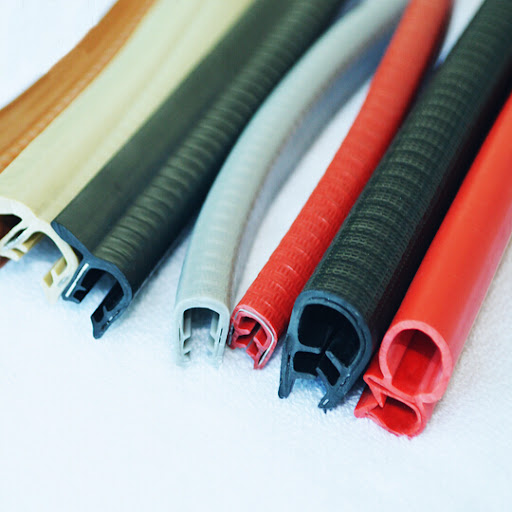
Rubber edge trim insulates and secures unprotected metal edges, providing protection and sealing. Rubber edge trim is utilized in industrial settings for a variety of purposes. These seals are carefully manufactured to protect unprotected surfaces from the passage of air, water, dust, irradiation, and corrosive substances. This post will elaborate on the various types of rubber edge trim. Ultimately, we will describe the material and applications of rubber edge trim.
Different Types of Rubber Edge Trim
Rubber edge trim is typically manufactured according to precise specifications. Utilizing injection molding, compression, and extrusion in producing rubber edge moldings ensures a smooth surface finish that fulfills buying specifications. The following are the main varieties of rubber edge trims:
Lip Cord Trim
These rubber edge moldings are equipped with a lip-shaped opening edge. Radial lip seals find numerous applications in industrial tools and high-speed vehicles. Their purpose is to keep the lubricating properties of the bearings surrounding a rotating shaft to protect them from hardiness and other contaminants. Remembering that elastomeric compounds differ based on the materials employed is essential. Thus, it is suitable to select an oil-resistant rubber material.
Accordion Trim
Accordion-type seals are extruded rubber edge trimmings whose physical dimensions alter due to the bending and folding when compressed or extended. A limited number of distinct seal varieties exist for each category of application. Generally, seals are utilized in the transportation and automobile sectors. Critical access locations are weatherproofed using boot accordion closures between the truck’s cab and the car exterior. Accordion trim is made from resilient EPDM rubber compounds and includes a spring steel clip for simple sealing.
Door Trim
The purpose of door sealants is to obstruct the door from contaminants, water, and high-velocity winds entering structures and vehicles. They are utilized in industrial facilities, commercial construction, and residential settings. It also can be installed between door frames and doors in automobiles and trailers. It can provide extra safety. Hatch seals signify a difference in extruded rubber door seals that find application in more particular conditions. These include rooftop ventilation systems and fuel containers.
Bulb Trim
Bulb trimmings are typically circular, porous rubber items with a distinct appearance and texture. They frequently come in various physical dimensions. But they are predominantly constructed from pliable rubber. They are applied in the spaces between car door frames or within structures. Typically made from EDPM foam, they aid in maintaining a watertight seal. To meet the needs of industrial or automotive use, installation can be done via taping.
Rubber Edge Trim Material
Rubber edge trim is primarily manufactured using neoprene and durable EPDM rubber. Because both are incredibly dense, they are suitable for an extensive range of applications. Both materials possess exceptional resistance to abrasion, wear, and strain. Both are suitable for vehicles, truck cabs, pointed edges, and residential and commercial applications. However, certain specifications require your attention.
Neoprene Rubber Edge Trim
Neoprene rubber edge trim is more suitable for preventing the passage of petroleum-based products. Such as oils and greases. The trim made of neoprene can also be used to seal things like ozone and rubber. It is essential to keep in mind, though, that neoprene does not last as long in freezing conditions as EDPM does.
Explore the world of fast and efficient charging with our top-notch collection of Lightning Charging Cables. From durable designs to high-speed performance, these cables are a game-changer for your devices.
EDPM Rubber Edge Trim
The EDPM material is flexible and resistant to chemicals and heat. It can be used to make closing parts for various industries and uses. When it comes to situations where temperatures are very hot or freezing, EPDM-molded sealing products are the best choice. They protect well against high temperatures.
-
EDPM Edge Trim Industrial Capability
EDPM edge trim can be used in many fields, such as the medicine industry and medical equipment manufacturing. Because it is long-lasting and inexpensive, it is the best sealant for commercial use.
-
Resistance to Chemicals
Edge trim made of EDPM can be used to protect in places where chemicals and acids will be prevalent. They can survive the harmful effects of many toxins, including sodium hydroxide. For tasks that need a finish that will take time to come off, EDPM cuts are excellent.
-
Durability
One of the most significant aspects of EDPM rubber edge trim is that it can be used in any weather, from very hot to cold. Because it can handle different temperatures, EDPM is an excellent material for companies that need solid edge trim.
Discover the transformative power of wire and cable labels as we delve into how ‘Wire & Cable Labels Improve Cable Organization.
Rubber Edge Trim Applications
Neoprene and EPDM can be used for numerous applications and resist wear, ozone, and scratching. In addition to handling severe weather, this rubber edge trim can hold water and direct sunlight, making it perfect for outside use. Whether you need a rubber edge protector for safety, rubber edge trim is excellent for:
- Sheet metal
- Boats
- Forklifts
- Cabinets
- Sharp edges

Renting vs. Buying an Aerial Work Platform: Which Is Better for Your Business?

How LED Backlit Displays Are Transforming Trade Show Marketing

Permanent Building vs Dome Shelter for Sale: The Real Cost Comparison