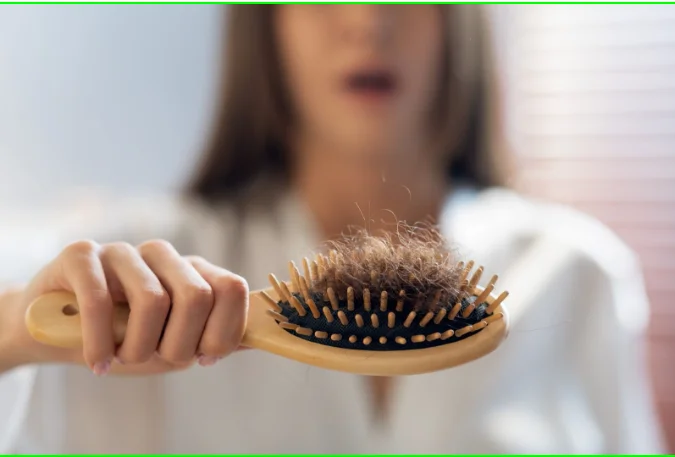
Alopecia, the medical name for hair loss, can impact just about anyone and can occur at any age. It can range from minor loss to overall thinning or losing hair in patches. When someone is diagnosed with alopecia, they may worry about how much hair they’ll lose, how fast it’ll happen, and more. However, today there are options for those who have different types of alopecia, and there may be some treatments that can help. It is important to start by learning more about alopecia and what to expect.
What Are the Common Causes?
Understanding alopecia causes and options can help those who are looking for ways to reduce hair loss or treat their current hair loss. Common causes include medical conditions, high levels of stress, hormonal changes, and genetics. It can also be caused by nutritional deficiencies, certain hairstyles or treatments, and medications or treatments for medical conditions. Depending on the cause, medicine or other treatments may help with regrowing the hair or helping it grow back thicker.
Take Regular Photos to Track Progress
Those who suffer from alopecia may want to take photos regularly to track their progress, especially as they try out new treatments or medicines. After all, hair changes may not be easy to detect without something to compare them to. By taking photos regularly, it’s easier to see if the alopecia is getting worse or if it’s improving. This helps the person make sure they’re taking the right steps to help their hair grow back better or to reduce the amount of hair loss that occurs.
- Take Photos from All Angles – It’s a good idea to take photos from different angles so it’s easier to see the hair and tell if there is a difference from the previous photos.
- Write the Date on the Photos – Always write the date on the photos or make sure they are saved with a date on them to make it easier to track the progression of alopecia and whether any treatments are helping.
- Track Treatments with Photos – Keep a journal of when treatments are started, how well they’re working, other lifestyle changes, and more. This helps to figure out what’s working the best and can be a great way to go back and review progress over time.
Look Into Better Hair Care
Better hair care can help with healthier hair, which can reduce the impact of alopecia, depending on the primary cause. Certain treatments, like chemical relaxers, can make alopecia worse, so they should be avoided as much as possible. Tight braids, extensions, and more can also make alopecia worse, so it’s better to opt for looser hairstyles that look good without pulling on the hair follicles.
- Avoid Harsh Chemicals – Harsh chemicals can make the alopecia worse, so it is better to avoid them at the stylist’s or at home.
- Avoid Excessive Styling with Heat – Excessive heat can damage the hair follicles, so it is better to look into ways to style hair with low or no heat.
- Use Mild Shampoos – Switch to a milder shampoo and conditioner to minimize potential damage to the hair and scalp.
- Consider Medicated Shampoos – Medicated shampoos, when recommended by a doctor, can be a good idea to help the scalp recover.
- Avoid Tight Hair Ties – Tight hair ties and other hairstyles that pull at the scalp can cause more hair to pull out, making alopecia worse.
- Pick Out the Right Head Coverings – Head coverings can help to cover up bald spots, but be cautious to pick something that doesn’t rub against the scalp too much.
Make Lifestyle Changes
If the alopecia is caused by stress or other environmental factors, making lifestyle changes can help. Some of the ways a person’s lifestyle can impact alopecia or make it worse include the following.
- High Levels of Stress – A common cause of alopecia is high stress levels. Lifestyle changes, like finding a new job or moving to a different home, may reduce stress and slow down or stop alopecia. It’s important for those who suffer from alopecia to make sure they take care of their mental health, especially if this could be a direct cause.
- Improper Nutrition – Alopecia can be a result of nutritional deficiencies. In these cases, eating healthier foods can help stop the alopecia or help the person start regrowing their hair. Even if this isn’t a direct cause, it’s better to eat a healthy diet, as poor nutrition can make alopecia symptoms worse in some situations.
- Poor Hydration – As with nutrition, those with alopecia will want to make sure they’re staying properly hydrated. Drinking plenty of water each day helps to promote overall health, so even if it doesn’t directly impact the alopecia, it will be beneficial to stay hydrated.
- Not Getting Enough Sleep – When stress or other issues lead to less sleep, alopecia can be one of the results. Prioritizing sleep each night can help the person make sure they’re sleeping at least eight hours every night, which could help reduce stress and alopecia.
Know When to Get More Help
Those who have noticed their hair is starting to thin, is coming out in patches, or is getting worse may want to see a doctor to find out their type of alopecia and what treatments are available. Depending on the cause, the hair can regrow, or there may be options to cover it. Additionally, there may be medications or other treatments that can help to reduce further hair loss. Talking to the doctor is the best way to find out exactly what’s happening, why it’s happening, and what can be done.
If you’re worried about alopecia or hair loss, it’s a good idea to speak with your doctor about the symptoms you’ve noticed and what treatment options may be good for your situation. Since there are different causes and impacts, everyone is different, and what works for one person may not work for another. Talking to your doctor can help you get more personalized assistance for how to deal with the hair loss moving forward.
Why Routine Checkups Are A Critical Part Of General Dentistry

5 Key Benefits of Choosing a Holistic Mental Health Treatment Center for Teens
5 Questions To Ask About Cosmetic Dentistry At A Family Dental Office