4 Signs Your General Dentist May Recommend Additional Screenings
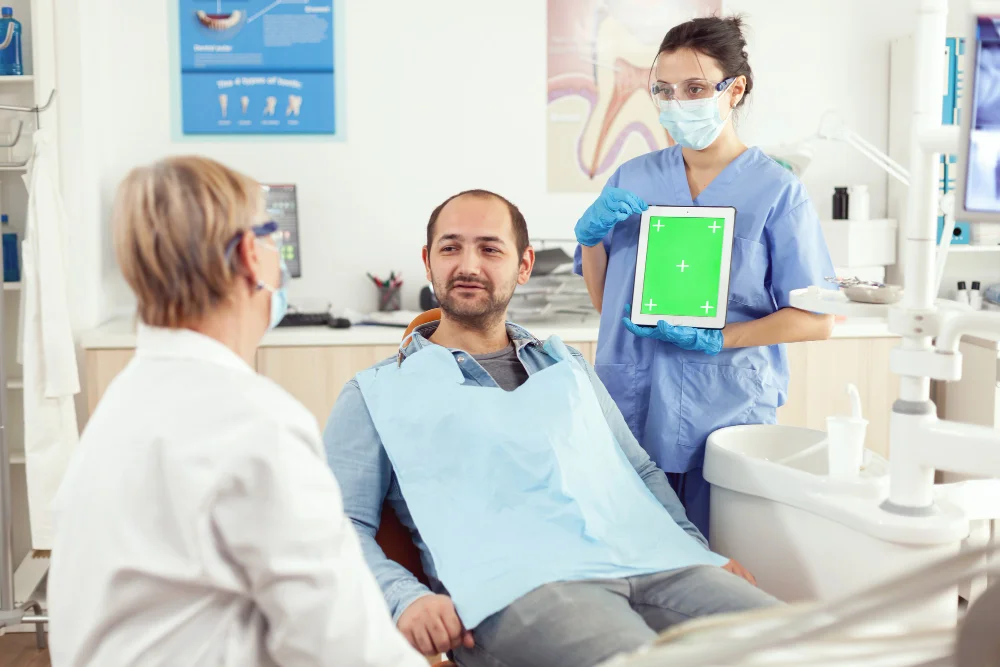
You trust your dentist to keep your mouth healthy. Sometimes that means your dentist will say you need more tests. This can feel scary or confusing. You may worry that something is wrong or that you missed a warning sign. A Palm Beach Gardens dentist looks for small changes that you may not feel or see. These changes can point to problems with your teeth, gums, or whole body. Early checks can find cancer, infection, bone loss, or other silent threats. You deserve clear reasons before you agree to more tests. You also deserve straight answers about what happens next. This blog walks through four clear signs that your general dentist may suggest extra screenings. You will see what each sign means. You will also learn what questions to ask so you can protect your health with calm and confidence.
Why extra screenings matter for you and your family
Your mouth links to the rest of your body. Dentists often see early signs of disease before other doctors do. The National Institute of Dental and Craniofacial Research explains that some mouth changes can point to diabetes, heart disease, or immune problems.
Extra screenings are simple checks that help your dentist look closer. These can include
- More detailed X rays
- Gum measurements
- Oral cancer checks
- Saliva or lab tests
Each one gives a clearer picture of your health. You get a chance to treat problems while they are still small.
1. Ongoing pain, sores, or changes that do not heal
First, your dentist may suggest extra tests if something in your mouth will not heal. You might notice
- A sore that lasts longer than two weeks
- Red or white patches on your tongue, cheeks, or gums
- Lumps, thick spots, or rough edges
- Pain when you swallow or chew
Your dentist will look at these places with strong light and mirrors. If the spot still looks unclear, your dentist may order
- An oral cancer screening exam
- A special light or dye test
- A small tissue sample called a biopsy with a specialist
The American Cancer Society reports that finding oral cancer early can raise survival rates. You can see data and guidance on the National Cancer Institute oral cancer page. You protect yourself when you agree to a closer look instead of waiting and hoping it will fade.
2. Gum bleeding, swelling, or loose teeth
Second, gum problems can push your dentist to order more screenings. You might notice
- Gums that bleed when you brush or floss
- Gums that look puffy or dark red
- Bad breath that will not go away
- Teeth that feel loose or shift
These symptoms can point to gum disease. Gum disease can harm bone and raise risk for heart and lung disease. Your dentist may suggest
- Full mouth X rays to see bone loss
- Gum pocket measurements around each tooth
- More frequent cleanings
- A referral to a gum specialist
Routine checks catch gum disease early. Early care lowers pain and cost later.
3. A strong family or personal health history
Third, your health story and your family story matter. Your dentist may ask many questions. That is not small talk. It is risk screening. You may need extra tests if you have
- A history of oral cancer or head and neck cancer
- Family members with oral cancer or gum disease
- Diabetes, heart disease, or an autoimmune condition
- A history of smoking, vaping, or heavy alcohol use
These risks do not mean you will get sick. They mean your dentist will watch more closely. Your dentist may recommend
- Yearly oral cancer screenings
- More frequent gum checks and X rays
- Closer review of any mouth sore or lump
This careful approach helps you stay ahead of disease instead of chasing it later.
4. Changes your dentist sees on X rays or during exams
Fourth, your dentist may find quiet problems that you cannot feel. X rays and exams can show
- Dark spots that look like cavities
- Bone changes around teeth or the jaw
- Impacted teeth that sit under the gums
- Cysts or other growths
If your dentist sees something that looks unclear, you may need
- More focused X rays of one tooth
- A 3D scan of your jaw
- A referral to an oral surgeon or medical doctor
You might feel fine. The picture still tells a different story. Listening to that story can prevent sudden pain or emergency surgery later.
How extra screenings compare to routine dental care
You may wonder how extra screenings differ from your regular checkup. The table below shows some key differences.
| Type of visit | What usually happens | When it is used | Goal for you
|
|---|---|---|---|
| Routine checkup and cleaning | Visual exam, basic X rays every few years, cleaning, flossing tips | Every 6 to 12 months | Keep teeth and gums healthy and clean |
| Targeted extra screenings | Extra X rays, gum measurements, oral cancer check, possible lab tests | When symptoms, risks, or exam findings raise concern | Find early signs of hidden disease |
| Specialist referral | Deeper tests with imaging, biopsies, or surgery plans | When a problem needs advanced care | Treat confirmed problems in a focused way |
This comparison shows that extra screenings build on routine care. They do not replace it. They answer new questions that your regular checkup raised.
How to talk with your dentist about extra screenings
You deserve clear answers before any test. When your dentist suggests more screenings, you can ask
- What did you see that made you suggest this test
- What are you looking for with this test
- What happens if the test is normal
- What happens if the test shows a problem
- Are there other choices for me
These questions help you understand risk, cost, and next steps. They also show your child that it is safe to speak up in a medical office.
Taking the next step with calm and courage
Extra screenings can stir fear. You might picture the worst outcome. You might feel tempted to wait. That delay can give a small problem time to grow. You protect yourself and your family when you agree to tests that your dentist explains clearly.
Your dentist wants the same thing you want. A strong body. A pain free mouth. A steady future. When you see these four signs, listen. Ask questions. Then choose the screenings that help you stay safe today and ready for tomorrow.
Is a Hair Transplant Worth It? Facts, Process, and Results

More Than Cancer: Tobacco's Lasting Damage to Heart, Brain & Skin
Why Routine Checkups Are A Critical Part Of General Dentistry