Dental implants can restore your smile and your strength when you eat. Yet hidden gum problems can cause those implants to fail. Before you move ahead, you need to know if your gums and bone can support treatment. This blog explains three clear signs that you may need periodontal treatment before implants. You will learn what bleeding gums really mean, why loose teeth are a warning, and how bad breath can signal more serious damage. You will also see how a Bay Shore, NY dental implant specialist checks your mouth for infection and bone loss. That way, you can act early, protect your health, and avoid painful setbacks. You deserve a stable, lasting result. Start by asking the right questions about your gums.
Why gum health matters before implants
Implants act like roots. They need healthy bones and healthy gums to stay in place. If infection is present, it can eat away at bone. It can also spread through your body. The Centers for Disease Control and Prevention explains that almost half of adults over 30 have some form of gum disease.
Gum treatment before implants can:
- Remove infection
- Help your bone stay strong
- Lower the chance that an implant will fail
Now you will see three warning signs that you should never ignore.
Sign 1: Your gums bleed or look puffy
Gums should not bleed when you brush or floss. A small streak of red in the sink is a sign of trouble. It often means that germs are building up under the gumline. That buildup can turn into periodontal disease. The National Institute of Dental and Craniofacial Research shares that red, swollen, or bleeding gums are early signs of gum disease.
Watch for all three of these signs together:
- Bleeding when brushing, flossing, or chewing
- Gums that look red instead of pink
- Gums that feel tender when you touch them
If you see these signs, you should not wait. You should ask a dentist or periodontist to check for infection. Early gum treatment may include a deep cleaning. It may also include changes in how you clean your teeth at home.
Sign 2: Your teeth feel loose, or your bite has changed
Loose teeth are a strong warning. Healthy gums and bone keep teeth steady. When infection destroys bone, teeth can start to move. You might notice that your teeth feel different when you bite. You might see new gaps or a change in how your upper and lower teeth touch each other.
Common signs include:
- One tooth that wiggles when you press it
- Food that packs between teeth that used to be tight
- A change in how your dentures or partials fit
If natural teeth are already loose, the bone that supports them may not be strong enough for an implant. Periodontal treatment can stop more bone loss and sometimes save teeth. Even if a tooth must be removed, treating the infection first can give an implant a better chance to succeed later.
Sign 3: You have bad breath that does not go away
Everyone has bad breath at times. If it stays even after brushing and flossing, it can signal hidden pockets of germs. These pockets can form between the tooth and the gum. Over time, they can reach the bone. That same infection can attack a new implant and cause it to fail.
Warning signs linked to breath problems include:
- Bad taste in your mouth most of the day
- Family members who notice an odor even after you brush
- Thick buildup on your tongue or around the gumline
Periodontal treatment can clean out these pockets. It can also help you learn better ways to clean your mouth so germs do not return.
How a specialist checks your gums before implants
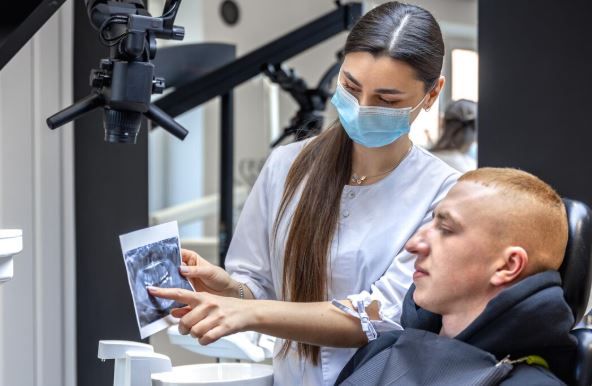
A Bay Shore, NY dental implant specialist or periodontist will not guess. The specialist will measure and record what is happening in your mouth. The visit may include:
- A full medical and dental history
- Gum measurements with a small probe
- X rays or 3D scans to check bone levels
- Photos to track changes over time
The goal is simple. The specialist wants to know if your gums and bone can support an implant now or if they need treatment first.
Implants with and without periodontal treatment
The table below compares common outcomes when gum disease is treated before implants and when it is not. Every person is different. Still, this can help you see why early treatment matters.
| Factor | With periodontal treatment first | Without periodontal treatment
|
|---|---|---|
| Risk of implant infection | Lower | Higher |
| Bone support around implant | More stable | More loss over time |
| Healing time after surgery | More predictable | Less predictable |
| Need for extra procedures | May be fewer | May be more |
| Long term comfort | Higher chance of steady comfort | Higher chance of soreness |
What you can do right now
You can take three clear steps before you choose implants.
- Watch for bleeding gums, loose teeth, and bad breath that stays.
- Schedule a gum check and ask for a clear written plan.
- Follow home care instructions and keep regular cleanings.
Periodontal treatment is not just about saving teeth. It is about protecting your health and any future implants. When you face these signs early, you give yourself a stronger, safer path to a lasting smile.
The Importance of Maintaining Implant Stability: A Comprehensive Review

How to Know You Have Impacted Wisdom Teeth in Chelsea NYC

How to Remove Food Stuck Between Teeth Safely