Bite and alignment problems affect more than how your smile looks. They change how you eat, speak, and even how you sleep. They can cause jaw pain, worn teeth, and headaches that wear you down day after day. You may feel frustrated, or even a little embarrassed, but you are not stuck. A general dentist can often spot these problems early and guide you through simple, clear steps to fix them. A dentist in Chalfont, PA can check how your teeth meet, how your jaw moves, and how your smile lines up with your face. Then you can talk together about what needs to change. This blog shares three direct ways your general dentist can help with bite and alignment issues. You will see what to expect, how each step works, and how small changes in your bite can protect your health and your confidence.
1. Careful Bite Checks During Routine Visits
Your bite is how your upper and lower teeth touch when you close your mouth. When your bite is off, even a little, it can strain your jaw joints and muscles. Routine checkups give your dentist a clear view of how your teeth fit together. You might think you only need cleanings. In truth, these visits give your dentist a chance to catch bite issues before they turn into pain.
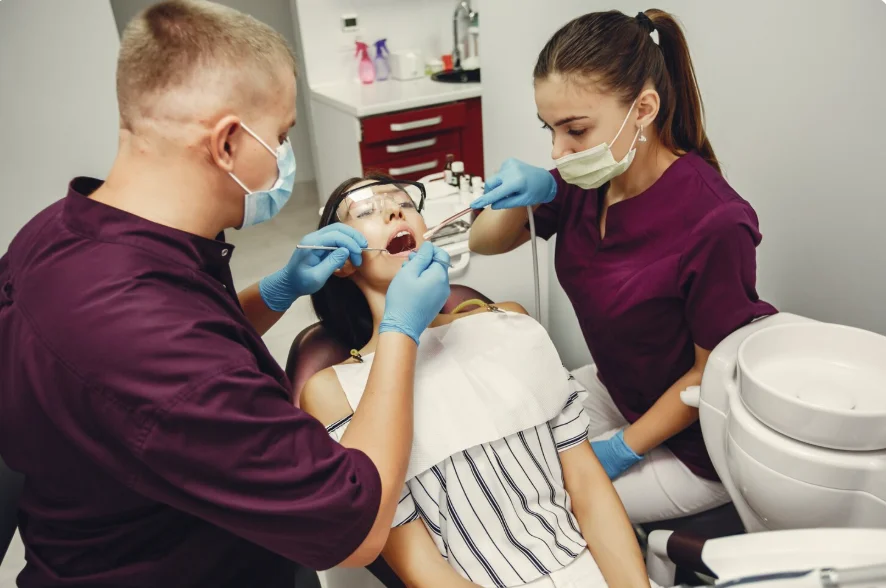
During a regular exam your dentist will usually:
- Ask if you have pain, popping sounds, or tightness in your jaw
- Look for teeth that hit too hard or do not touch at all
- Check for worn, chipped, or cracked teeth
- Watch how your jaw moves when you open and close
The National Institute of Dental and Craniofacial Research explains that bite and jaw problems can lead to long term jaw joint pain if not treated early.
Here is a simple comparison to show why these checks matter.
| Checkup Focus | Without Bite Review | With Bite Review
|
|---|---|---|
| Jaw pain | Pain often ignored until it is severe | Pain discussed early so you can plan care |
| Tooth wear | Wear seen only after damage spreads | Wear linked to grinding or clenching quickly |
| Alignment changes | Shifting teeth may surprise you | Small shifts tracked over time |
| Treatment timing | Care may start late and feel urgent | Care can start sooner and feel planned |
Regular bite checks give you early warning. They also give your dentist a baseline. That way any new problem stands out faster.
2. Simple Treatments That Rebalance Your Bite
Once your dentist spots a bite or alignment issue, you can talk about treatment. Not every problem needs braces. Often small, focused steps can ease pressure and protect your teeth. Your dentist will match the treatment to the cause of your problem.
Common options include:
- Adjusting the biting surface of a tooth. Your dentist may gently smooth a high spot so your teeth meet more evenly.
- Repairing worn or broken teeth. A filling, crown, or bonding can restore the tooth shape so your bite feels even.
- Night guards. A custom mouth guard can protect your teeth if you grind or clench while you sleep.
- Replacing missing teeth. Bridges, implants, or partial dentures can stop nearby teeth from tipping into the gap.
The American Dental Association explains that replacing missing teeth and treating grinding can protect your bite, your jaw, and your chewing strength.
Here is how simple treatments can change daily life.
- You may chew without one side feeling sore.
- You may wake up without tight jaw muscles.
- You may notice fewer headaches or neck aches.
- You may feel more calm when you eat in front of others.
You and your dentist should talk through what you want most. Less pain. Easier chewing. A more even smile. Clear goals help guide each step.
3. Planning Orthodontic Care and Referrals
Some bite and alignment issues need more than small changes. Crowded teeth, open bites, crossbites, or deep overbites may need orthodontic care. Your general dentist still plays a key role. You do not have to figure this out alone.
Your dentist can:
- Explain what is out of line and how it affects your jaw and teeth
- Review your X rays and photos with you so you can see the problem
- Tell you if orthodontic treatment is likely to help
- Refer you to an orthodontist and share your history
- Help you care for your teeth during and after braces or clear aligners
For children, early checks matter. The American Association of Orthodontists advises that children have an orthodontic check by age 7. Your general dentist can watch for early signs and guide you on timing. For adults, it is never too late to ask if straighter teeth might ease pain or improve chewing.
During and after orthodontic treatment your dentist will still see you for cleanings and exams. Your bite may keep changing as your teeth move. Your dentist will:
- Check for new high spots or sore teeth
- Watch your gums and bone for signs of stress
- Help keep teeth clean around brackets or aligners
- Talk about retainers and long term bite stability
Taking Your Next Step
If you notice jaw pain, worn teeth, or trouble chewing, do not wait. Bite and alignment problems rarely fade on their own. They often grow and steal your comfort.
Your next step is simple. At your next checkup, speak up. Tell your dentist where you feel pain or pressure. Ask for a clear look at how your teeth meet. Then ask what can change. You deserve a bite that works for you and a smile that feels strong and steady.
The Importance of Maintaining Implant Stability: A Comprehensive Review

How to Know You Have Impacted Wisdom Teeth in Chelsea NYC

How to Remove Food Stuck Between Teeth Safely