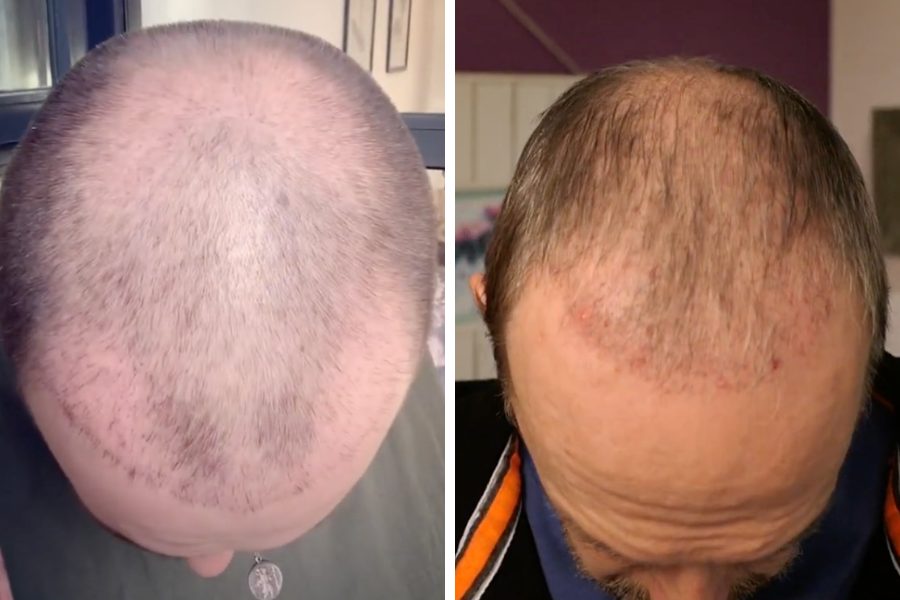
Hair loss is a common concern that affects both men and women at different stages of life. Many people experience thinning hair due to genetics, aging, stress, or medical conditions. As hair loss becomes more noticeable, confidence and self-image may also change. Because of this, many individuals begin exploring long-term solutions rather than temporary treatments such as oils, shampoos, or medications.
A Hair transplant is one of the most discussed solutions for permanent hair restoration, and many people now consult professional clinics such as Gold City to understand available treatment options better. The procedure focuses on moving healthy hair follicles from one part of the scalp to areas where hair growth is weak or absent. Before deciding on this treatment, it is important to understand how it works, what results to expect, and whether it truly provides value over time.
Understanding Hair Transplant and How It Works
A hair transplant is a medical procedure that involves transferring hair follicles from a donor area, usually the back or sides of the head, to areas affected by hair loss. These donor areas are selected because the hair follicles are genetically resistant to hair thinning. Once transplanted, the follicles continue to grow naturally in their new location.
The procedure is performed under local anesthesia, which means the patient remains awake but does not feel pain in the treated area. Modern techniques focus on precision and natural hair growth patterns, allowing doctors to create results that blend with existing hair. Many patients explore professional hair transplantation services through clinics such as hair transplantation providers to receive personalized treatment planning. Over time, the transplanted hair grows like normal hair and can be cut or styled as desired.
FUE and FUT Methods
The two most common methods are Follicular Unit Extraction (FUE) and Follicular Unit Transplantation (FUT). FUE removes individual follicles one by one, while FUT removes a small strip of scalp to collect hair follicles. Both methods aim to achieve natural results, but the choice depends on hair condition and personal needs.
Who Is a Good Candidate for a Hair Transplant?
Not everyone experiencing hair loss is an ideal candidate for a hair transplant. Doctors usually recommend the procedure for individuals with stable hair loss patterns and sufficient donor hair. People with early-stage hair loss may need to wait until their condition becomes stable before surgery.
Age, overall health, and hair type also play an important role in determining eligibility. A proper consultation helps assess scalp condition and expectations. Realistic goals are essential because the procedure improves hair density but does not create unlimited new hair.
Importance of Consultation
A professional consultation allows specialists to evaluate hair loss causes and design a treatment plan. This step ensures that patients understand expected outcomes before undergoing surgery.
The Hair Transplant Procedure Step by Step
The procedure usually begins with scalp examination and marking of the treatment area. After applying local anesthesia, the surgeon extracts hair follicles from the donor area and prepares them for transplantation. Each follicle is carefully placed into small incisions created in the recipient area.
The entire process may take several hours, depending on the number of grafts required. Patients can usually return home the same day. Mild swelling or redness may appear after surgery, but these effects normally improve within a few days.
Duration of the Procedure
Most sessions last between four and eight hours. Larger sessions may require multiple visits to achieve the desired density.
Recovery and Healing Process
Recovery after a hair transplant is generally simple when proper care instructions are followed. Small scabs form around transplanted follicles during the first few days. These scabs fall off naturally within one to two weeks as the scalp heals.
Patients are usually advised to avoid intense physical activity and direct sun exposure during the early healing phase. Normal routines can often resume within a short period, although complete healing takes several weeks.
Hair Shedding Phase
Transplanted hair may shed within the first month. This is a normal stage before new hair growth begins.
When Do Results Become Visible?
Hair growth after a transplant does not appear immediately. New hair usually begins to grow three to four months after the procedure. Gradual improvement continues over several months as hair becomes thicker and stronger.
Full results are often visible between nine and twelve months. Many patients researching treatment options also visit trusted clinics such as Hair transplant specialists to understand expected timelines and outcomes. Patience is important because hair grows naturally and requires time to develop a healthy appearance.
Natural Growth Cycle
The transplanted follicles follow the same growth cycle as natural hair, which ensures long-term results.
Benefits of Hair Transplant
One of the main advantages of a hair transplant is its long-lasting outcome. Unlike temporary solutions, transplanted hair continues to grow permanently because it comes from resistant donor areas. This makes the procedure appealing for individuals seeking a stable solution.
Another benefit is the natural appearance achieved through modern techniques. Skilled surgeons design hairlines that match facial structure and age, which improves overall confidence without creating an artificial look.
Improved Confidence
Many patients report improved self-esteem after seeing visible hair growth and restored hairlines.
Possible Risks and Side Effects
Like any medical procedure, a hair transplant carries some risks. Minor swelling, redness, or itching may occur after surgery. These effects are temporary and usually resolve with proper care.
Serious complications are rare when the procedure is performed by experienced professionals. Choosing a qualified clinic reduces the risk of infection or unnatural results.
Importance of Skilled Surgeons
Experienced surgeons ensure accurate placement of follicles and safe handling of grafts.
Cost and Long-Term Value
The cost of a hair transplant varies depending on the number of grafts, clinic location, and the surgeon’s expertise. Although the initial cost may seem high, many people consider it a long-term investment compared to ongoing treatments that require continuous spending.
Permanent hair growth reduces the need for repeated products or therapies. Over time, this can make the procedure more cost-effective for individuals seeking lasting results.
Factors Affecting Cost
Hair loss severity and treatment complexity influence the overall price.
Expectations vs Reality
Understanding realistic outcomes is important before choosing a hair transplant. The procedure improves hair coverage but does not restore the density of teenage hair. Results depend on donor hair quality and individual healing response.
Clear communication with the surgeon helps avoid disappointment. Patients who understand limitations are more likely to feel satisfied with the outcome.
Realistic Goals
A natural improvement rather than perfection should be the main expectation.
Is a Hair Transplant Really Worth It?
A hair transplant can be worth it for individuals looking for a permanent and natural solution to hair loss. The procedure offers long-term results, improved appearance, and increased confidence when performed correctly. However, success depends on proper planning, skilled professionals, and realistic expectations.
People who research the process and consult experienced specialists often achieve satisfying outcomes. Careful decision-making ensures that the treatment aligns with personal goals and lifestyle needs.
Personal Decision
The value of a hair transplant depends on individual priorities and commitment to aftercare.
Conclusion
A hair transplant is a medical solution designed to restore hair growth using natural follicles. The procedure has advanced significantly, offering safer techniques and more natural results than in the past. Understanding the process, recovery, costs, and expected outcomes helps individuals make informed decisions.
For many people, a hair transplant provides a lasting improvement in appearance and confidence. When expectations remain realistic, and treatment is performed by qualified professionals, the procedure can be a worthwhile investment in long-term hair restoration.

Why Retail Software Testing is Critical for Effective E-commerce Development?

How Sales Teams Increased Productivity with Parallel Dialers

Curtain Dry Cleaning and Leather Sofa Cleaning – Reliable Care by Duo Nini






Bespoke in the South: How Charlotte’s Elite Are Personalizing Their Rolls-Royce

The Ultimate Guide to Family-Friendly Communities: Planning Your Family Vacation to Destin Florida
Is a Hair Transplant Worth It? Facts, Process, and Results

4 Ways To Prepare Your Child For Their First Dental Visit

Why Cosmetic Dentistry Enhances More Than Just Appearance