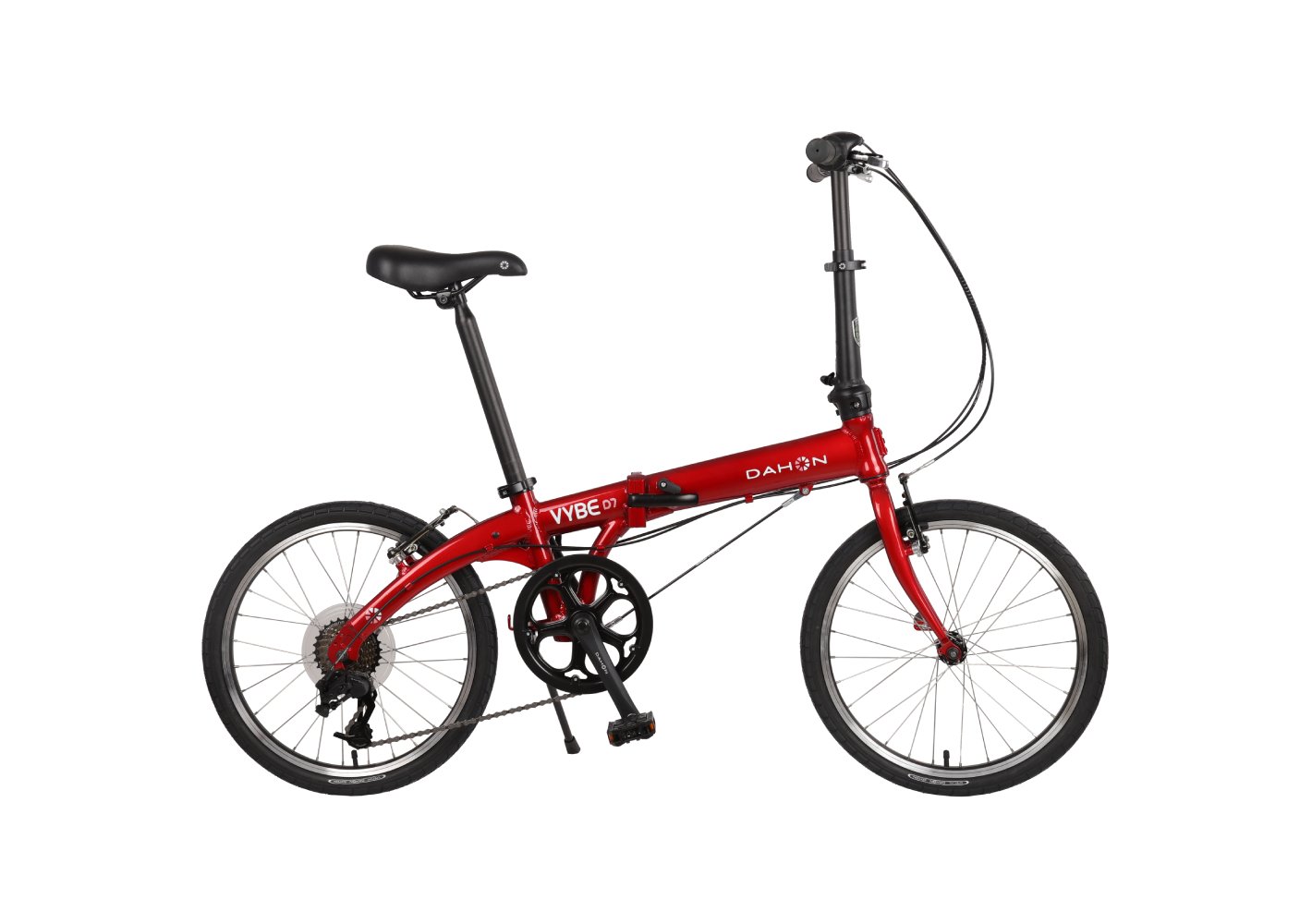
The Evolution of Folding Bicycle Technology: From Clunky to Cutting-Edge
The history of folding bicycles stretches back decades, beginning with rudimentary designs that prioritized compactness over performance. Early models featured heavy steel frames, crude hinge mechanisms, and ride characteristics that felt compromised compared to traditional bikes. These pioneers established the concept but couldn’t overcome fundamental engineering challenges: weight, structural integrity at fold points, and the time required to collapse and deploy the frame. The turning point came as urban congestion intensified and multi-modal commuting became mainstream. Suddenly, the folding bike’s core promise—solving the last-mile problem—became genuinely valuable. This shift in demand catalyzed innovation across multiple fronts. Engineers began asking different questions: not “how do we make something compact?” but “how do we make something compact without sacrificing what riders actually want?” This philosophical change drove three core innovations that define modern folding bikes. First, material science revolutionized weight-to-strength ratios, eliminating the heavy steel stigma. Second, mechanical engineers redesigned hinge systems for faster folding and greater security during rides. Third, manufacturers recognized that ride quality couldn’t be compromised—compact didn’t mean uncomfortable. Today’s folding bicycles reflect these priorities, delivering performance metrics that rival full-size bikes while maintaining genuine portability. The evolution from curiosity to credible transportation solution represents one of cycling’s most practical engineering achievements.
Breakthroughs in Materials and Construction
Material science has fundamentally transformed folding bicycle design, moving beyond the heavy steel frames that once defined the category. Modern manufacturers now employ advanced aluminum alloys like 7005 and 6061, which offer superior strength-to-weight ratios compared to their predecessors. These alloys maintain structural rigidity while reducing overall frame mass, making bikes easier to carry without compromising durability. High-end models increasingly incorporate carbon fiber in frames and components, delivering even greater weight savings for riders willing to invest in premium options. Carbon fiber’s exceptional stiffness-to-weight properties make it ideal for demanding applications where performance rivals traditional full-size bicycles.
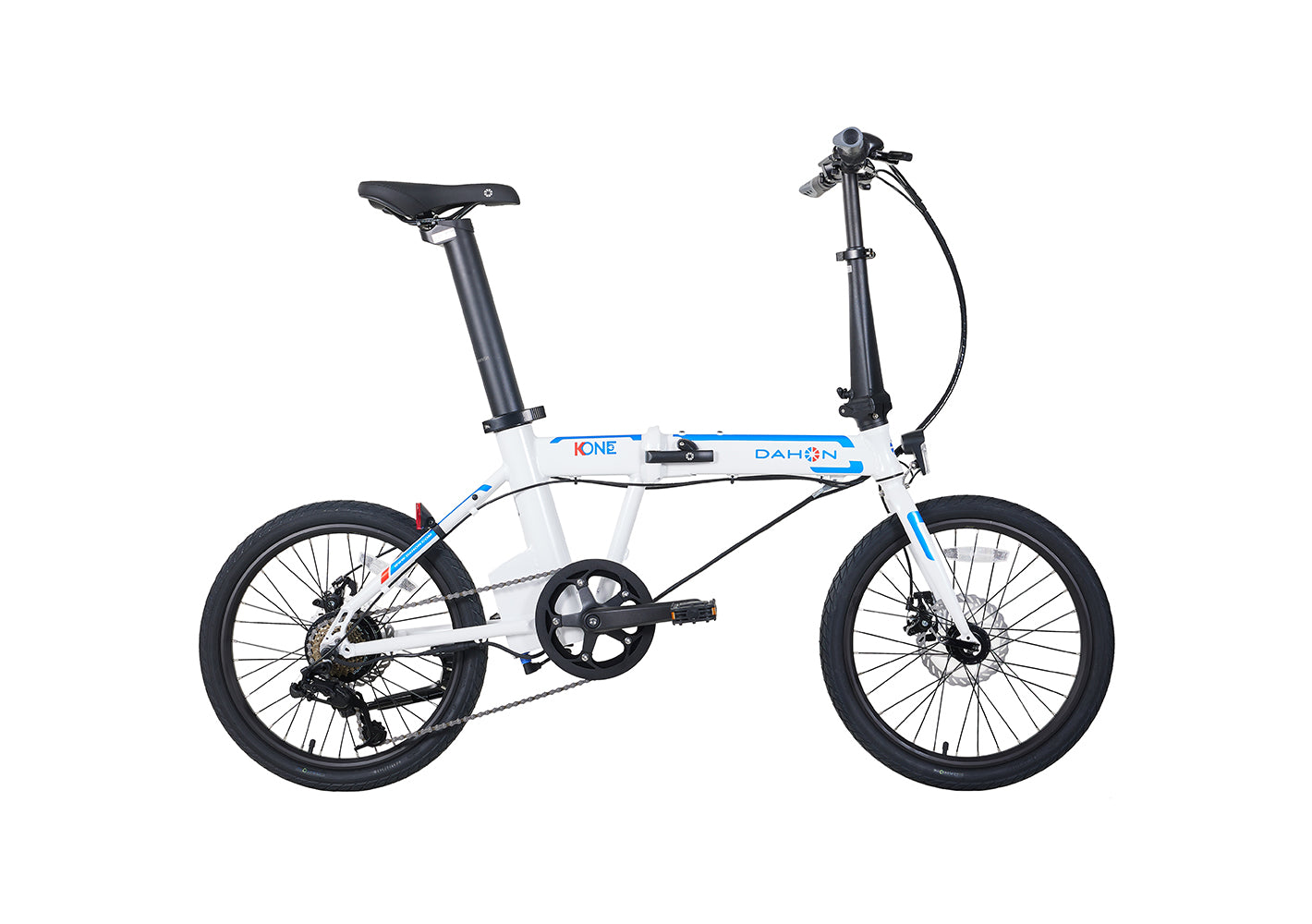 Beyond material selection, innovations in welding and bonding techniques have revolutionized how manufacturers construct fold points—historically the weakest link in compact bike design. Advanced welding methods create stronger joints that distribute stress more evenly across the hinge area, while improved bonding techniques in carbon fiber construction eliminate traditional weak points. Lightweight components throughout the bike contribute to the overall weight reduction: carbon fiber or aluminum seat posts, composite handlebars, and carefully engineered wheel sets all play crucial roles. Engineers now design these elements as an integrated system rather than individual parts, ensuring that weight savings in one area don’t compromise performance elsewhere. The result is a new generation of folding bikes that feel substantially lighter to carry and maneuver while maintaining the frame integrity necessary for confident riding on varied urban terrain.
Case Study: The Impact of Advanced Alloys on Frame Rigidity
Aluminum alloys like 7005 demonstrate how material science directly translates to ride quality improvements. These alloys provide significantly greater stiffness than traditional materials, which means less frame flex during pedaling and cornering—a critical advantage that many riders notice immediately. When comparing bikes constructed from 7005 aluminum versus older steel designs, the difference in responsiveness becomes apparent: acceleration feels snappier, and handling through turns exhibits noticeably less deflection. Modern folding bikes utilizing these advanced alloys deliver ride characteristics that closely mirror traditional bicycles, effectively eliminating the “compromise bike” perception that once plagued the category. Leading manufacturers reference these material choices prominently because they directly address rider concerns about performance, demonstrating that compact design no longer requires sacrificing the tactile feedback and control that enthusiasts expect from quality bicycles.
Innovative Folding Mechanisms: Speed, Security, and Simplicity
The mechanical systems that enable folding represent some of the most sophisticated engineering in compact bike design. Different folding mechanisms have emerged to address varying priorities: some prioritize extreme compactness, others emphasize rapid deployment, and still others focus on maintaining frame integrity during rides. Vertical fold systems collapse the frame by bringing the seat tube toward the down tube, creating a tall but narrow package ideal for storage in tight spaces. Horizontal or mid-fold designs split the frame at the center, producing a more balanced folded profile that’s easier to carry. Triangle hinge mechanisms, pioneered by leading manufacturers, distribute stress across multiple connection points rather than relying on a single pivot, significantly enhancing rigidity during riding. Each system presents distinct trade-offs between compactness, folding speed, and structural performance.
The pursuit of the “one-step fold” has become a defining innovation goal, as riders increasingly demand mechanisms that collapse and deploy without multiple adjustments or fumbling with latches. Modern designs incorporate intuitive release systems and spring-assisted hinges that guide frames into position with minimal effort. Advanced locking mechanisms have evolved beyond simple latches to include magnetic alignment systems and precision-engineered catches that eliminate frame flex at the hinge point—historically a source of instability and unwanted movement during riding. These innovations directly address a fundamental challenge: maintaining the structural integrity that riders expect while enabling genuine portability. Engineers now design folding systems as integral to the frame’s overall performance rather than afterthoughts, ensuring that the hinge area performs as reliably as any other part of the bike. The result is a new generation of mechanisms that fold intuitively, lock securely, and deliver ride quality indistinguishable from traditional bicycles.
Dahon Bike Technology: A Leader in Folding Innovation
Dahon stands as a pioneering force in folding bicycle design, having shaped the industry’s trajectory through decades of focused innovation and engineering excellence. The company’s commitment to solving real-world portability challenges has resulted in numerous patented technologies that define modern folding bike standards. Their ViseGrip™ latch system exemplifies this approach, employing a mechanical design that locks the folded frame with exceptional security while remaining intuitive to operate. This innovation addresses a critical concern among riders: the confidence that their bike remains stable during transport and riding. Beyond mechanical systems, Dahon’s approach to frame geometry reflects a sophisticated understanding of how compact designs can maintain ride quality comparable to traditional bicycles. Engineers carefully balance wheel size, seat tube angle, and weight distribution to ensure that compactness doesn’t translate to compromised handling or comfort. The company’s research into ergonomics extends to integrated accessories and component placement, recognizing that portability encompasses the entire riding experience rather than just frame dimensions. Dahon’s exploration of materials science—incorporating advanced aluminum alloys and strategic carbon fiber applications—demonstrates their recognition that innovation requires simultaneous advancement across multiple disciplines. Their models serve as benchmarks within the industry, establishing performance standards that competitors reference when developing their own offerings. By consistently prioritizing both engineering rigor and practical usability, Dahon has positioned folding bicycles as credible transportation solutions rather than compromise options, fundamentally shifting how enthusiasts perceive compact bike technology.
Comparative Analysis: Modern Folding Bicycles for the Enthusiast
Selecting the right folding bicycle requires understanding how different models prioritize competing objectives. Performance-oriented designs emphasize ride quality through larger wheels and refined geometry, making them ideal for riders who demand handling comparable to traditional bicycles. Ultra-compact models prioritize extreme portability, utilizing smaller wheels and aggressive frame angles to minimize folded dimensions—perfect for commuters navigating crowded transit systems. Mid-range options balance these priorities, offering reasonable compactness without sacrificing too much ride comfort. A practical comparison framework considers several key dimensions: fold speed and final dimensions determine suitability for different storage scenarios, while weight affects carry comfort during transit. Wheel size dramatically influences ride quality and speed maintenance, with larger wheels rolling more efficiently but reducing compactness. Gearing systems range from single-speed simplicity to multi-speed versatility, depending on terrain demands and intended use. Intended use case fundamentally shapes which model suits your needs—urban commuters prioritize rapid folding and light weight, while recreational riders might accept larger folded sizes for superior handling. Price points vary substantially based on material choices and component quality, with premium models incorporating carbon fiber and advanced alloys commanding higher investment. Understanding these trade-offs empowers enthusiasts to identify models that genuinely match their priorities rather than compromising across all dimensions.
Solution Section: Choosing the Right Model for Your Needs
Finding your ideal folding bicycle involves a systematic evaluation process. First, clearly define your primary use case by identifying how frequently you’ll fold the bike, whether you’ll transport it on transit, and what terrain you’ll encounter. Commuters prioritizing multi-modal travel need rapid folding and light weight, while recreational riders might emphasize ride quality over compactness. Second, establish a realistic budget that reflects your commitment level and desired component quality—this naturally narrows your options and prevents decision paralysis. Third, prioritize your non-negotiables: if fold size matters most because your storage space is limited, focus on ultra-compact models even if ride quality isn’t exceptional. Conversely, if you’re primarily concerned with handling and comfort, accept a larger folded profile in exchange for superior performance characteristics. Fourth, research specific models within your parameters using manufacturer specifications and enthusiast reviews, paying particular attention to real-world feedback about fold reliability and ride feel. Finally, test-ride candidate models whenever possible—the tactile experience of how a bike handles and how intuitively its folding mechanism operates often reveals factors that specifications alone cannot convey. This methodical approach transforms model selection from overwhelming choice into a logical process aligned with your actual needs and constraints.
Integration and the Future: Fold Up Bikes as Core Urban Mobility Solutions
Folding bicycles are increasingly recognized as essential components within integrated urban mobility ecosystems rather than standalone transportation tools. The “last-mile problem”—bridging gaps between transit stations and final destinations—has become a central focus for city planners and transportation authorities worldwide. Compact bikes excel at this challenge, enabling seamless transitions between personal transit and public systems. Progressive cities now incorporate dedicated storage facilities at transit hubs, acknowledging that folding bikes facilitate multi-modal journeys that traditional bicycles cannot efficiently support. Integration extends beyond physical infrastructure into digital ecosystems. Smart folding bikes equipped with GPS tracking, electronic locking systems, and connectivity features are emerging as the next frontier, allowing riders to monitor their bikes remotely and access real-time transit information. These technologies transform folding bikes from mechanical devices into connected mobility nodes within broader transportation networks. Material science will continue advancing, with researchers exploring graphene-enhanced composites and bio-based materials that promise even greater weight reductions without environmental compromise. Standardization of folding mechanisms across manufacturers could streamline production and reduce costs, making premium technology accessible to broader audiences. The convergence of autonomous vehicle technology with micro-mobility solutions suggests folding bikes will play increasingly strategic roles in optimized transportation networks. Industry experts anticipate that within the next decade, folding bicycles will transition from niche solutions to foundational elements of sustainable urban infrastructure, recognized for their environmental benefits, cost efficiency, and genuine ability to solve contemporary mobility challenges that traditional transportation cannot address.