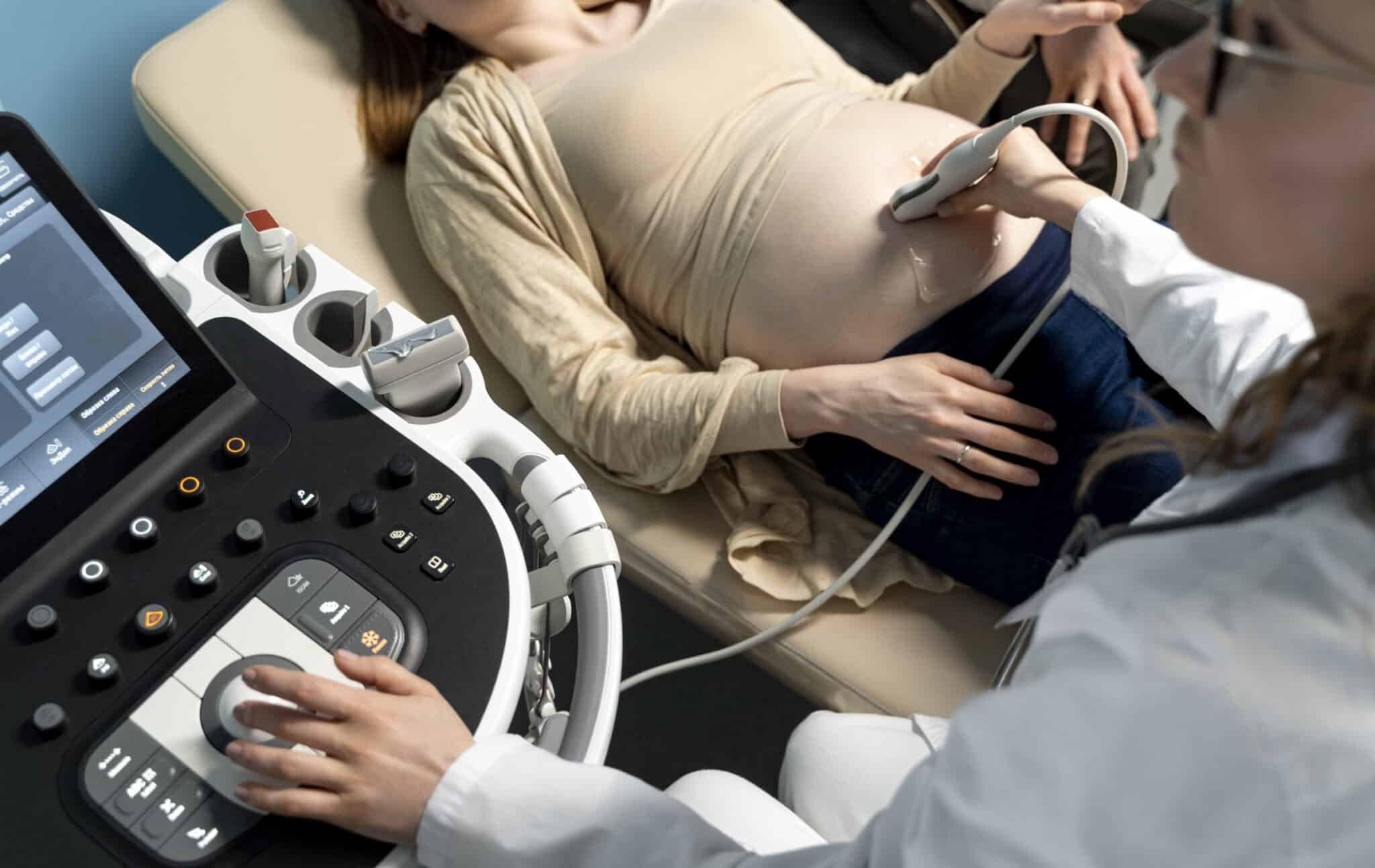
Pregnancy is one of the most transformative journeys in a woman’s life. With the joy of expecting a new life comes the responsibility of ensuring the health and well-being of both the mother and the baby. Prenatal care plays a vital role in this process, involving regular medical checkups, lifestyle adjustments, and diagnostic tests. These tests provide essential insights into the health of the baby and mother, helping detect any potential complications early on and ensuring timely interventions.
In this article, we will explore the importance of prenatal care and the key tests that expecting mothers should undergo to ensure a safe and healthy pregnancy journey.
Why is Prenatal Care Essential?
Prenatal care isn’t just about routine visits to a healthcare provider. It’s about proactive measures to monitor the pregnancy, ensuring the best possible outcomes. Here’s why prenatal care is indispensable:
- Monitoring Fetal Development: Regular tests track the baby’s growth and development, ensuring that everything progresses as expected.
- Detecting Complications: Early detection of issues like gestational diabetes, preeclampsia, or infections can prevent serious complications.
- Preventive Measures: Nutritional advice, supplements like folic acid, and lifestyle recommendations during prenatal visits help reduce risks for both mother and baby.
At reputable healthcare facilities like Apollo Hospital in Navi Mumbai, expecting mothers can access comprehensive prenatal care services under the guidance of the best gynecologist in Mumbai, ensuring peace of mind throughout the pregnancy.
Key Prenatal Tests Every Expecting Mother Should Know
Prenatal tests can be broadly classified into routine screenings, diagnostic tests, and specific screenings for high-risk pregnancies. Let’s delve deeper into the essential tests:
-
Blood Tests
Blood tests are among the first diagnostic tools used during pregnancy and offer a wealth of information about maternal and fetal health.
- Blood Type and Rh Factor: Determines the mother’s blood type and identifies the Rh factor to prevent complications like Rh incompatibility.
- Complete Blood Count (CBC): Checks for anaemia, infections, and platelet issues.
- Blood Sugar Test: Screens for gestational diabetes, a condition that can negatively affect both mother and baby if left unmanaged.
- Thyroid Function Test: Ensures optimal levels of thyroid hormones, which are crucial for fetal brain development.
- Infection Screening: Tests for conditions like HIV, syphilis, and hepatitis B to protect both mother and baby.
-
Urine Tests
Urine tests are conducted regularly during prenatal visits to monitor kidney function and check for:
- Protein Levels: High protein levels may indicate preeclampsia, a serious pregnancy complication.
- Glucose: Detects gestational diabetes early.
- UTIs: Identifies Urinary Tract Infections, which are common during pregnancy.
-
Ultrasound Scans
Ultrasound imaging offers a window into the womb, allowing healthcare providers to monitor the baby’s development and overall pregnancy progress.
- Early Pregnancy Scan (6-8 Weeks): Confirms the pregnancy and detects the baby’s heartbeat.
- Nuchal Translucency (NT) Scan (11-14 Weeks): Screens for chromosomal abnormalities like Down syndrome.
- Anomaly Scan (18-22 Weeks): A detailed scan to check for structural abnormalities in the baby’s organs and limbs.
- Growth Scan (Third Trimester): Tracks fetal growth, position, and amniotic fluid levels.
-
Genetic Screening Tests
Genetic tests are particularly important for parents with a family history of genetic conditions or when the mother is over 35.
- Non-Invasive Prenatal Testing (NIPT): A blood test that screens for chromosomal abnormalities like Trisomy 21 (Down syndrome).
- Chorionic Villus Sampling (CVS): Collects placental tissue to detect genetic disorders.
- Amniocentesis: Analyses amniotic fluid for genetic conditions or neural tube defects.
-
Glucose Tolerance Test (GTT)
Gestational diabetes can pose significant risks to both mother and baby. This test involves drinking a glucose solution, followed by blood sugar monitoring, usually conducted between 24-28 weeks of pregnancy.
-
Group B Streptococcus (GBS) Screening
GBS is a type of bacteria that can be passed from mother to baby during childbirth. A simple swab test is performed in the late third trimester to check for this bacteria. If positive, antibiotics are administered during labour to prevent transmission.
-
Fetal Heart Rate Monitoring
This test assesses the baby’s heart rate, ensuring it’s within a healthy range. It is commonly done during labour but can also be used in high-risk pregnancies.
High-Risk Pregnancy Screenings
For mothers with high-risk pregnancies due to age, medical conditions, or multiple pregnancies, additional screenings like Doppler ultrasound, biophysical profiles, and fetal echocardiograms may be recommended.
Role of a Trusted Healthcare Provider
Choosing the right healthcare provider is crucial for effective prenatal care. Facilities like Apollo Hospital in Navi Mumbai are equipped with state-of-the-art diagnostic tools and the expertise of the best gynecologist in Mumbai. This ensures that every expecting mother receives personalised care tailored to her specific needs, making her pregnancy journey smooth and worry-free.
Preparing for Prenatal Tests
Here are some tips to prepare for prenatal tests:
- Stay Informed: Understand why a particular test is recommended and what it entails.
- Follow Guidelines: Some tests may require fasting or avoiding specific medications.
- Ask Questions: Don’t hesitate to discuss any concerns with your healthcare provider.
- Keep Records: Maintain a folder of all test results for easy reference.
Conclusion
Prenatal care is an integral part of ensuring a healthy pregnancy and diagnostic tests play a pivotal role in this journey. From routine screenings like blood and urine tests to advanced genetic testing, these evaluations provide vital information about the health of both the mother and baby.
Expecting mothers should consult trusted healthcare providers like Apollo Hospital in Navi Mumbai, where the best gynecologist in Mumbai ensures comprehensive prenatal care. By prioritising regular checkups and following medical advice, mothers-to-be can navigate their pregnancy journey confidently, focusing on the joy of welcoming their little ones.

Natural vs Professional Gum Disease Treatment: What Works?

The Myth of One-Size-Fits-All: What Personal Care Reveals About Individual Living
The Importance of Maintaining Implant Stability: A Comprehensive Review