Key Takeaways:
- Gen Z and Millennial women are increasingly taking control of their financial destinies through proactive investing and financial planning.
- Despite facing societal pressures, these women are building confidence and financial knowledge.
- Community support and financial education play pivotal roles in empowering women to achieve economic independence.
Introduction
Across the United States and beyond, a new economic force is emerging: Gen Z and Millennial women are increasingly stepping forward to secure their financial futures. Whether through early investing, robust financial planning, or leveraging online communities and education, these women are shifting established norms and driving new patterns in wealth building. Early efforts in financial literacy, combined with new digital resources like Dow Janes reviews, are giving young women unprecedented tools to make informed economic decisions from an early age.
While previous generations often encountered systemic barriers in accessing financial education and investment opportunities, today’s younger women are confidently forging new paths. This shift is not just about personal empowerment—it has widespread implications for the broader economy, workplace dynamics, and the next generation’s approach to wealth building. Now, as more Gen Z and Millennial women share their journeys and strategies, their collective momentum is visibly rebalancing financial power.
Rising Investment Participation
The landscape of investing has undergone significant evolution, with a notable increase in participation from Gen Z and Millennial women. According to a report from Fidelity Investments, 71% of women now own stock market investments, representing an 18% increase over the previous year. This surge is especially notable among Gen Z, who are approaching investing earlier, using digital tools and social media to expand their knowledge base and stay current with market trends. The increasing presence of women in financial markets not only benefits individual wealth accumulation but also contributes to greater gender equity in economic influence.
This early engagement in investment is more than a trend—it’s a sign of growing confidence, digital fluency, and a commitment to proactive planning. Access to online brokerages, social investing platforms, and financial literacy resources has lowered traditional barriers, enabling a younger and more diverse cohort of women to take charge of their portfolios.
Overcoming Financial Anxieties
Despite marked progress in investment participation and education, financial anxiety remains a persistent reality for many young women. Research by the Principal Foundation found that nearly half of Gen Z and Millennial women still experience stress when discussing finances, citing a fear of judgment regarding income or spending habits as a major barrier to open communication.
Cultural expectations and lingering gender stereotypes can amplify these anxieties. However, shifting societal attitudes and increased representation of women in financial media have begun to normalize conversations about money, defending women’s right to pursue economic independence without scrutiny. Creating safe spaces—both online and offline—for women to share their financial journeys, experiences, and setbacks is now a crucial support mechanism for younger generations.
Embracing Financial Education
Empowerment begins with education. Gen Z and Millennial women are increasingly prioritizing financial literacy, often turning to trusted professionals and accessible platforms to expand their expertise. According to the most recent New York Life Wealth Watch survey, 49% of women now prefer to receive investment and financial advice from certified professionals, highlighting the demand for tailored, credible guidance.
This widespread pursuit of financial education is reshaping traditional advice models and fostering a new culture of learning among women investors. Educational workshops, social media communities, and independent blogs have become critical sources of insight, covering essential topics such as emergency savings, retirement preparation, and wealth-building strategies. For many, this focus on financial knowledge is not just a personal goal—it is also a way to uplift peers and family, ensuring generational financial wellness.
Community Support and Collaboration
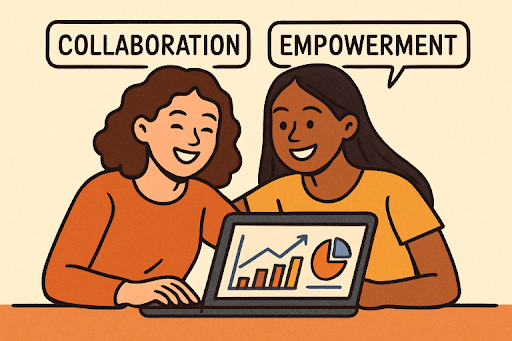
One of the most transformative aspects of this financial evolution is the rise of community support. Fidelity’s recent study underscores that over half of women feel more assured about their financial choices after discussing them with peers, mentors, or financial educators. This collaborative approach, where women openly exchange advice and lessons learned, is especially prevalent among Gen Z and Millennials—two-thirds of whom prefer to know about money from other women rather than from traditional sources.
The sense of belonging and mutual encouragement fostered by these financial communities plays a vital role in combating isolation, building resilience, and breaking old stigmas about women and money. From local meet-ups to online forums, many women now find their greatest source of empowerment through collective action and shared knowledge.
Redefining Market Participation
The modern financial market is witnessing an impressive shift as millennial women move beyond saving and passive investing to adopt more active trading strategies. A Charles Schwab survey reports that 37% of millennial women investors now identify as traders—a dramatic increase compared to previous generations. This shift signifies a growing comfort with risk management, diversified asset allocation, and digital trading platforms, all while maintaining a focus on long-term wealth creation.
By taking direct control of their investments, these women are not only rewriting market roles but also challenging conventional wisdom about female risk aversion. The result is a more nuanced understanding of modern investing—one that blends risk-taking with research and strategic planning.
Confidence in Retirement Planning
Optimism about long-term security is also gaining ground. A study by Northwestern Mutual found that 60% of Gen Z women feel confident they will be prepared for retirement, a marked contrast to the 40% of Gen X women who expressed similar beliefs. This growing assurance reflects both the proactive planning behaviors and the sustained focus on education characterizing younger generations.
Modern retirement planning incorporates digital tools, robust employer resources, and collegial support, with many young women making strides in balancing present-day expenses with future goals. The data points to a broad recalibration of priorities—one that places as much emphasis on long-range wealth as it does on present empowerment.
Conclusion
The expanding roles of Gen Z and Millennial women in financial markets are reshaping not only individual lives but also the larger economy. Increased investment, robust education, collaborative support, and renewed confidence in long-term planning are proving critical to their continued empowerment. As these trends accelerate, it will be essential for institutions, employers, and communities to nurture and amplify these efforts, moving toward a more equitable and inclusive financial environment for everyone.