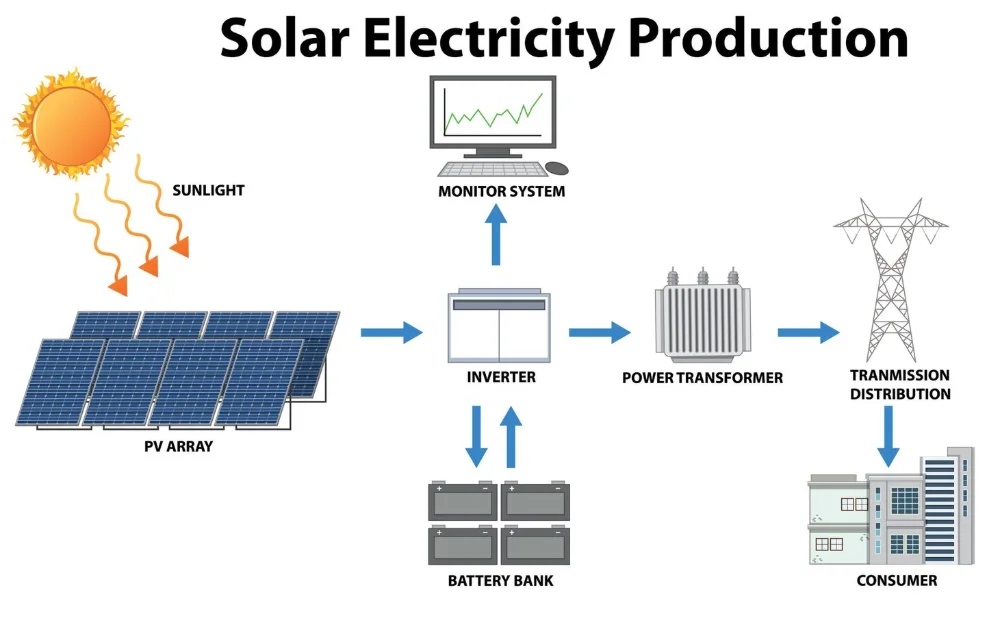
As the demand for clean, portable, and reliable energy grows, mobile solar containers have become an essential solution for both remote operations and businesses seeking energy independence. These systems combine mobility with high-performance solar technology, giving users the ability to generate electricity anywhere sunlight is available. But one question matters more than anything else: how efficient are mobile solar containers when it comes to power generation?
Energy efficiency determines whether a system can meet essential loads, provide consistent power, and support real-world applications such as construction sites, emergency zones, rural communities, and off-grid living. Understanding how these portable power units work and what affects their performance helps users maximise output and get the most from their systems.
What Defines Power Generation Efficiency in a Mobile Solar Container?
Efficiency is not just about how much electricity the system produces. It includes:
- How effectively it captures sunlight
- How well it converts solar energy into usable electricity
- How much of that energy is stored
- How consistently it delivers power when conditions change
A mobile solar container typically includes:
- Solar panels mounted on extendable frames
- Battery storage for night-time use
- Inverters and controllers
- A rugged, weather-resistant container for protection
Models like the foldable solar container improve efficiency by using a smart mechanical design that expands the solar surface area while keeping the system compact for transport.
Solar Panel Design and Its Impact on Efficiency
Solar panel design is the core factor in determining how well a mobile system performs. Unlike fixed installations, mobile containers rely on panels that must be durable, lightweight, and adjustable. The efficiency of these panels depends on:
1. Panel Type
High-efficiency monocrystalline panels are commonly used because they provide strong output even in limited space, ideal for container-based systems.
2. Expandable Framework
Foldable or sliding frameworks increase the total panel area once deployed, significantly boosting total energy production.
3. Panel Angle and Orientation
Tilting systems allow the panels to be angled toward the sun, dramatically improving daily yield.
4. Durability
Anti-reflective coatings, strengthened glass, and reinforced frames ensure consistent energy production even in harsh environments.
When these factors work together, a mobile solar container delivers performance close to, or better than, many traditional ground-mounted arrays.
Battery Storage and Energy Retention
A mobile solar container is only as good as the energy it can store. Modern systems use deep-cycle lithium battery banks designed to:
- Retain more energy
- Deliver stable output
- Charge quickly
- Operate efficiently in extreme temperatures
Battery capacity directly affects how long power can be supplied during evenings, cloudy weather, or high-demand periods. Systems with high-density lithium batteries provide better overall efficiency because they retain more energy with less loss over time.
Inverter and Charge Controller Efficiency
Inverters and charge controllers determine how much of the captured solar energy becomes usable electricity. High-quality components reduce energy losses during conversion and ensure:
- Faster battery charging
- Cleaner, more stable output
- Protection from overload or inconsistent sunlight
Smart MPPT (Maximum Power Point Tracking) controllers boost efficiency by automatically finding the optimal operating point of each solar module.
Environmental Conditions and Their Effect on Output
Mobile solar containers are used in deserts, forests, construction zones, remote communities, and disaster areas. Each environment affects output differently.
Sunlight Availability
Direct sunlight produces the highest output, but efficient systems still perform well during partial cloud cover.
Temperature
Solar panels can lose efficiency at high temperatures, but container systems with proper ventilation or reflective coatings minimise this loss.
Dust, Snow, or Debris
Regular cleaning is essential, as any obstruction reduces light absorption.
Shading
Containers should be installed away from tall buildings, trees, or other obstructions blocking the sun.
With proper placement and maintenance, users can ensure the system runs at peak efficiency.
Mobility and Deployment: Faster Setup Means Faster Power
Efficiency is not only about electrical performance, but it’s also about how quickly the system begins generating energy. Traditional solar installations require:
- Site preparation
- Mounting structures
- Electrical wiring
- Months of planning and labour
Mobile solar containers eliminate all of this. They can be deployed in minutes or hours, allowing immediate power generation. The faster the setup, the sooner the energy starts flowing, especially valuable in emergency or temporary operations.
Why Mobile Solar Containers Often Outsmart Diesel Generators
Diesel generators have long been the default choice for remote power, but they come with:
- Rising fuel costs
- Frequent maintenance
- Noise pollution
- Harmful emissions
- Limited lifespan
In contrast, mobile solar containers offer:
- Quiet operation
- Zero fuel expenses
- Long lifespan with minimal maintenance
- Cleaner, renewable energy
- Consistent performance
Their efficiency becomes especially noticeable over long periods, where fuel savings alone can justify the entire investment.
Ways to Maximise the Efficiency of Your Mobile Solar Container
Regardless of the model you choose, you can significantly increase output with the following steps:
1. Proper Placement
Choose an open location with full sunlight for the majority of the day.
2. Use Tilt Adjustments
Adjust the panel angle seasonally or daily for maximum solar exposure.
3. Keep Panels Clean
Dust, dirt, and pollen can reduce efficiency by 10–25%.
4. Monitor Battery Health
Check voltage levels and temperature regularly to maintain optimal performance.
5. Use Energy-Efficient Appliances
LED lighting, inverter-based air conditioning, and efficient tools stretch your power even further.
6. Regular System Inspections
A quick visual check ensures wiring, mounts, and connectors remain in good condition.
Who Benefits Most from High-Efficiency Mobile Solar Containers?
Remote Worksites
Miners, builders, and survey teams need reliable, silent power without relying on fuel deliveries.
Disaster Relief Operations
Emergency services require fast, stable energy to run medical equipment, communication systems, and charging stations.
Off-Grid Homes
Container systems can power lighting, kitchen appliances, pumps, and communication devices.
Agriculture
Irrigation pumps, remote cabins, and water purification systems operate more cost-effectively with solar containers.
Military Applications
Silent and low-heat energy production enhances security and operational effectiveness.
The Future of Mobile Solar Container Efficiency
Solar technology continues to advance rapidly. New developments that will further boost efficiency include:
- Higher-efficiency solar cells
- Lighter, stronger foldable structures
- Improved lithium storage technologies
- AI-powered energy management
- Automatic sun-tracking mechanisms
These innovations will make mobile solar containers even more capable, sustainable, and cost-effective in the coming years.
To Conclude
Mobile solar containers are one of the smartest renewable energy solutions available today. They combine portability, resilience, and high efficiency into a single, self-contained system that adapts to nearly any environment. Whether used for emergency response, remote projects, or off-grid living, their ability to deliver reliable, clean power makes them a truly transformative technology.
With proper placement, regular maintenance, and smart component design, mobile solar containers can maximise their energy output and operate at peak performance for years, providing safe, sustainable electricity wherever it’s needed.

Five Advanced Ways to Use AI Video Generators

How to Build an App with AI in 2026 (Step-by-Step Guide)
Sheet Metal Bracket: Basics, Types, Process, & Materials