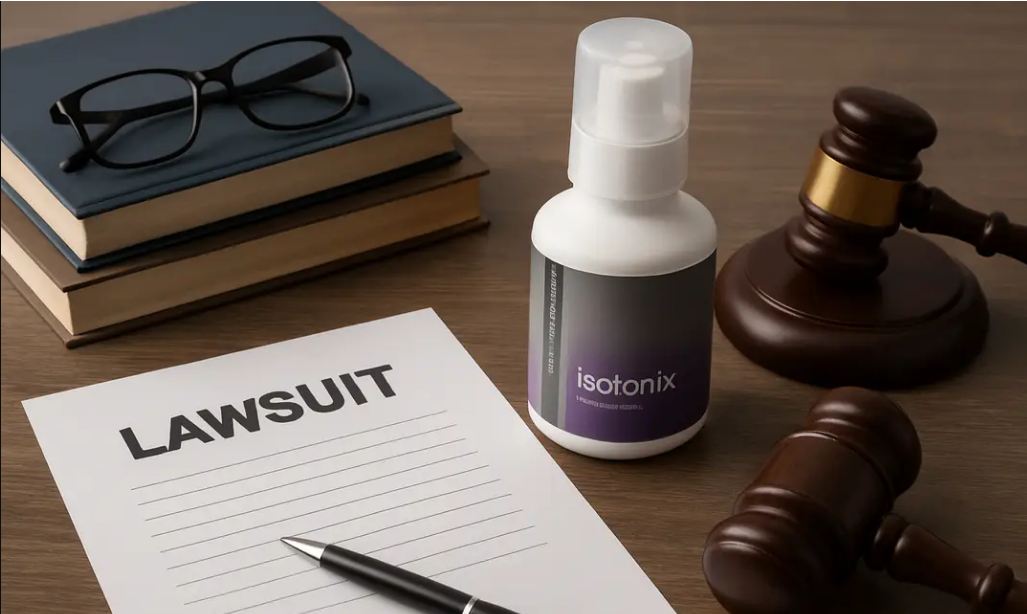
The isotonix lawsuit concerns legal claims brought against the company behind the Isotonix line of dietary supplements and the company’s business model. Plaintiffs have accused the company of making unverified health and absorption claims for certain supplements, and separate claims have alleged deceptive or unfair multi-level marketing practices. In addition, federal regulators have issued compliance warnings over labeling and unapproved health claims, which have informed the public discussion around the case.
Key allegations, evidence and regulatory context
Scientific and marketing claims
A central allegation is that marketing materials overstated product efficacy, such as superior absorption or clinical support, without adequate scientific backing. These claims can trigger consumer protection rules when they are used to induce purchases or distributor recruitment. Several news and legal summaries cite complaints that promotional language exceeded what supporting evidence justified.
Also, explore LeaveWeb Air Force Guide: Everything You Need to Know
Regulatory actions and documentation
Regulatory scrutiny has been part of the record. For example, the U.S. Food and Drug Administration issued a warning letter pointing out labeling and claim problems for products in the Isotonix family—an important public document because it signals where regulators saw noncompliance with dietary supplement rules. Court filings and prior civil complaints have also addressed trademark and unfair competition issues in earlier disputes involving the brand.
Business-model lawsuits
Separate litigation has targeted the underlying multi-level marketing structure used by the company that markets Isotonix products. Plaintiffs in those actions have alleged that distributor earnings claims and recruitment incentives functionally resembled a pyramid scheme; such suits typically focus on how revenue is generated (product sales versus recruitment). These claims have generated class-action-style filings and media coverage.
What this means for consumers and distributors
If proven, misleading marketing claims may entitle affected consumers to remedies such as refunds, medical-cost reimbursement (in injury cases), or statutory damages depending on jurisdiction. For distributors, judgments about business practices can affect compensation plans, contracts, and the ability to recruit. Regulatory letters do not equal court judgments, but they can strengthen plaintiffs’ arguments and spur corrective action from companies.
How to evaluate similar supplement disputes
When assessing claims about supplements or MLM income promises, look for: independent clinical studies, transparent ingredient labeling, clear serving-size instructions, and objective third-party testing. Keep an eye on official regulatory documents (FDA warning letters) and court dockets, because those are primary sources that document both allegations and responses. If you suspect harm or deceptive marketing, preserving purchase records and promotional materials is important for any potential claim.
FAQs
1. Who filed the core complaints in this litigation?
Various plaintiffs have filed complaints, including consumers and former distributors; filings and consolidated cases may vary by forum.
2. Has any regulator taken action against the company?
The FDA has issued at least one warning letter concerning labeling and health-claim issues for certain products in the Isotonix family.
3. Are these cases about product safety or marketing practices?
Both types of issues appear: marketing/advertising and business-practice claims dominate, although some consumer complaints have alleged adverse health effects.
4. Can consumers join a class action?
Where courts have certified classes or where class actions are pending, eligible consumers may be able to participate; eligibility depends on the specific class definitions.
5. What should customers do if they’re concerned?
Keep receipts, product labels, and marketing materials; document any health issues and consult a healthcare professional. For legal questions about refunds or injury claims, consult an attorney experienced in consumer or product-liability law.
Conclusion
In short, the isotonix lawsuit highlights the intersection of consumer protection, supplement marketing, and multi-level marketing scrutiny. Regulatory warnings and litigation show how labeling, health claims, and distributor practices can trigger legal and regulatory consequences. Consumers and distributors should monitor official filings and regulator notices and preserve documentation if they believe they were harmed or misled.

From Snoring to Diagnosis: How a Home Sleep Apnea Test Works

What Patients Really Want From Their Dental Experience

Massage Chair Safety in Pregnancy: Australia's Pros and Cons