

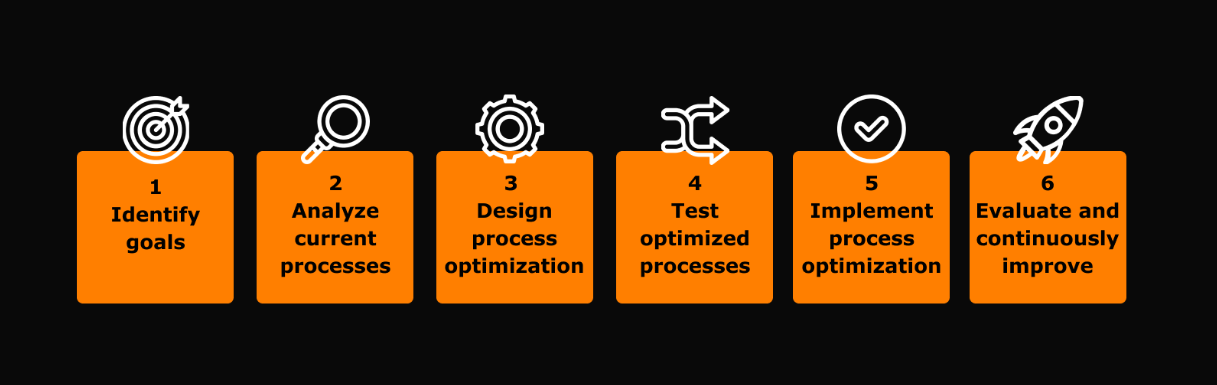
The term represents a modern and adaptable concept that has gained attention for its strategic relevance, structured approach, and practical usability across multiple domains. Rather than being limited to a single industry, it is often associated with digital frameworks, organizational methodologies, and innovation-driven systems that focus on efficiency and clarity.
At its core, the idea emphasizes systematic development, process optimization, and long-term scalability. Many professionals and organizations explore this concept to improve decision-making, strengthen workflow management, and enhance overall performance in competitive environments.
Core Principles of Hochre
Structured Methodology and Planning
A defining element is its reliance on structured planning and logical execution. This involves breaking down complex goals into manageable components, allowing teams to focus on measurable outcomes rather than abstract objectives. By emphasizing clarity, the approach reduces confusion and aligns stakeholders toward shared targets.
Adaptability and Scalability
Another important principle is adaptability. Modern systems must respond to changing conditions, whether driven by technological advancements, market dynamics, or organizational growth. This concept supports scalable models that evolve without compromising stability, making it suitable for both small initiatives and large-scale implementations.
Also, explor Usaenlinea .com – A Complete Informational Guide
Efficiency and Optimization
Efficiency remains central. By prioritizing resource optimization, time management, and process refinement, the framework helps minimize waste while maximizing output. This focus on operational efficiency makes it appealing to professionals seeking sustainable improvement rather than short-term fixes.
Practical Applications in Modern Contexts
The concept is widely applied in areas such as digital transformation, business strategy, and project management. In digital environments, it supports data-driven decision-making and workflow automation, ensuring smoother operations and improved accuracy.
In organizational settings, it is often used to design performance frameworks, improve team collaboration, and strengthen leadership alignment. Educational and research environments also benefit, as the approach encourages critical thinking, structured analysis, and continuous improvement.
From a long-term perspective, the framework contributes to sustainable growth. By integrating innovation strategies with risk management, organizations can pursue progress while maintaining stability.
Benefits of Adopting This Framework
One of the primary benefits is improved strategic clarity. Clear structures reduce ambiguity and support consistent execution. Another advantage is enhanced productivity, as streamlined processes allow teams to focus on high-value tasks.
Additionally, the concept promotes resilience. By emphasizing adaptability and continuous evaluation, it prepares organizations to respond effectively to challenges. Over time, this leads to stronger competitive positioning and improved stakeholder confidence.
Challenges and Considerations
Despite its advantages, successful adoption requires thoughtful implementation. Organizations must invest in training, ensure cultural alignment, and establish performance metrics to measure progress. Without these elements, the framework may fail to deliver its full potential.
It is also important to avoid over-complexity. While structure is essential, excessive rigidity can limit creativity. Balancing discipline with flexibility ensures that innovation remains possible.
Frequently Asked Questions
1.What is the main purpose of this concept?
Its primary purpose is to provide a structured yet adaptable framework that improves efficiency, planning, and long-term performance.
2.Who can benefit from using this approach?
Professionals, organizations, educators, and project managers can all benefit from its emphasis on clarity, optimization, and scalability.
3.Is it limited to a specific industry?
No, it is versatile and applicable across business, technology, education, and other sectors.
4.Does implementation require advanced technical knowledge?
Not necessarily. While technical tools can enhance results, the core principles focus on strategic thinking and process management.
5.How long does it take to see results?
Results vary depending on scope and commitment, but many users observe improvements in efficiency and coordination within a structured timeframe.
Conclusion
In summary, hochre represents a forward-thinking approach built on structure, adaptability, and efficiency. By focusing on systematic planning and continuous improvement, it offers a reliable pathway toward sustainable success. When implemented thoughtfully, hochre can serve as a valuable foundation for organizations and individuals aiming to thrive in dynamic and competitive environments.
Vamiswisfap: Meaning, Usage, and Practical Clarity


Yeti Yarmcol: Meaning, Context, and Real-World Usage
