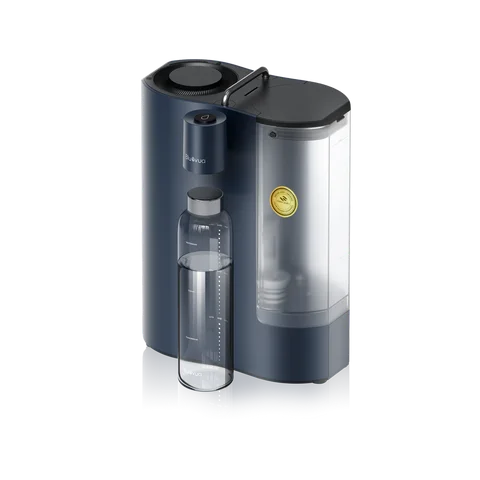
A portable reverse osmosis system is one of the most effective tools for producing clean, safe drinking water wherever life takes you. For eco-conscious consumers, it represents a commitment to reducing single-use plastic bottles while ensuring access to purified water at home, on the road, or off the grid. However, owning such a system comes with a dual responsibility: keeping it running at peak performance while minimizing your environmental impact through every maintenance decision you make.
This article delivers actionable, sustainable maintenance tips designed to extend your system’s lifespan, preserve outstanding water quality, and align with green living principles. Whether you’re new to portable RO systems or a seasoned user looking to refine your approach, you’ll find practical guidance across the key areas that matter most. We’ll cover essential routine care including filter management and tank sanitization, walk through troubleshooting common issues with repair-first solutions, explore eco-friendly cleaning methods that protect both your membrane and the planet, and outline advanced strategies for long-term durability. Each recommendation prioritizes effectiveness without unnecessary waste, helping you get the most from your investment sustainably.
Essential Routine Maintenance for Optimal Water Purification
Regular maintenance isn’t just about keeping your portable reverse osmosis system functional—it’s about ensuring every drop of water meets the highest purity standards while avoiding premature component failures that generate unnecessary waste. A well-maintained system operates more efficiently, wastes less water during the filtration process, and delivers consistent results over years of use. The foundational tasks are straightforward: inspect and replace pre-filters on schedule, monitor water flow and pressure for early warning signs, and sanitize storage components to prevent biofilm buildup. When performing these tasks, choose reusable cleaning cloths over disposable wipes, opt for non-toxic sanitizers, and keep a simple log to track component life cycles. Even a quick weekly visual inspection—checking fittings for moisture, listening for unusual pump sounds, and tasting your output water—can catch small problems before they become expensive, wasteful repairs.
The Vital Role of Filter Changes
Your system relies on a multi-stage filtration process, and each stage has its own replacement timeline. Sediment and carbon pre-filters typically need changing every three to six months depending on source water quality and usage frequency. The RO membrane itself can last two to three years with proper care, while post-filters (usually activated carbon) should be swapped every six to twelve months. Don’t rely solely on calendar dates—pay attention to what your system tells you. A noticeable decline in flow rate often signals a clogged pre-filter, while changes in taste or a slight odor from your output water suggest the post-filter or membrane needs attention. When it’s time to replace, look into manufacturer take-back programs or filter recycling initiatives. Some carbon-based filters can be composted after the housing is separated, and membrane elements can occasionally be returned to manufacturers who reclaim materials. Always choose filters packaged in recyclable or minimal packaging when sourcing replacements.
Tank and Line Sanitization
Standing water in storage tanks and tubing creates an environment where bacteria and biofilm can develop, particularly if the system sits unused for more than a few days. A quarterly sanitization routine eliminates this risk without harsh chemicals. Start by draining the tank completely and disconnecting it from the system. Prepare a solution of food-grade hydrogen peroxide (two tablespoons of three-percent concentration per gallon of water) or undiluted white vinegar for stubborn buildup. Fill the tank with your chosen solution, let it sit for twenty to thirty minutes, then drain and rinse thoroughly with filtered water until no residual taste remains. For tubing and fittings, run the same solution through the lines using gravity or a low-pressure hand pump. The tools you’ll need are minimal: a dedicated food-safe funnel, a soft bottle brush for tank interiors, and nitrile gloves. Store these tools together in a reusable bag so your sanitization kit is always ready when maintenance day arrives.
Troubleshooting Common Issues & Sustainable Solutions
Even well-maintained portable reverse osmosis systems encounter problems over time. The key difference between a sustainable approach and a wasteful one lies in your response: diagnosing carefully and repairing thoughtfully before reaching for a replacement component. Every part you save from the landfill through proper troubleshooting represents both an environmental win and money kept in your pocket. When something seems off, resist the urge to swap parts blindly. Instead, work through a logical diagnostic process that isolates the true cause, and you’ll often find that a thorough cleaning or a minor adjustment restores full function without generating any waste at all.
Solving Low Water Pressure and Flow
Reduced output is the most frequent complaint among portable RO users, and it almost always traces back to one of three causes: a clogged pre-filter restricting incoming water, a fouled membrane operating below capacity, or a weakening pressure pump that can no longer drive water through the membrane effectively. Start your diagnosis at the source. Disconnect the pre-filter housing and run water directly to check incoming pressure—if flow improves dramatically, your sediment or carbon pre-filter is saturated. Before discarding it, try gently rinsing pleated sediment filters under running water to dislodge surface debris; this can buy additional weeks of service life from a single cartridge. If the pre-filter isn’t the culprit, the membrane may have developed scale or organic fouling. A targeted soak using a citric acid solution (one tablespoon dissolved in a gallon of warm water, circulated through the membrane housing for one to two hours) often dissolves mineral deposits and restores flow without requiring a new membrane. Only after cleaning fails to improve performance should replacement be considered. For pump-related issues, check electrical connections and ensure the pump’s intake line is free of air locks. Lubricating O-rings with food-grade silicone grease can resolve seal-related pressure losses and extend the pump’s functional life considerably.
Addressing Water Quality Concerns
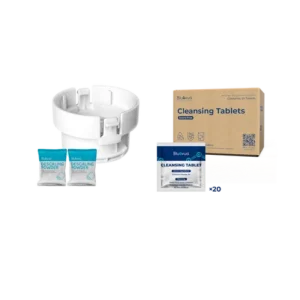
Off-tastes, unusual odors, or cloudy output water signal that something in your filtration chain has degraded or become contaminated. Begin by identifying the character of the problem. A plastic or stale taste typically points to an exhausted post-carbon filter that’s no longer adsorbing volatile compounds—replacement is usually necessary here, but ensure you recycle the spent cartridge housing where facilities exist. A musty or earthy smell often originates in the storage tank rather than the filters themselves. Drain the tank completely and perform the hydrogen peroxide sanitization described earlier, paying extra attention to the tank’s air bladder valve area where moisture can collect. If your water tastes salty or metallic, the RO membrane may be allowing dissolved solids to pass through, indicating either physical damage or severe fouling. Test your output water with an inexpensive TDS meter to confirm rejection rates have dropped. Before replacing the membrane, attempt a specialized alkaline cleaning cycle using manufacturer-recommended membrane cleaning tablets dissolved according to package directions—these formulations target biological fouling and can restore rejection performance in membranes that aren’t physically compromised. This repair-first mindset keeps functional components in service longer, reducing both your costs and your contribution to filter waste streams.
Eco-Friendly Cleaning and Care Practices
Maintaining a portable reverse osmosis system doesn’t require an arsenal of harsh chemicals. In fact, the most effective long-term care strategies often align perfectly with sustainable principles, protecting both your membrane’s delicate structure and the waterways where cleaning waste eventually ends up. The shift toward eco-friendly maintenance isn’t just about feeling good—it’s about recognizing that aggressive chemical cleaners can degrade membrane materials faster, shorten component lifespans, and introduce unnecessary toxins into greywater systems. By choosing biodegradable agents, conserving flush water, and adopting energy-conscious habits, you create a maintenance routine that serves your system’s health and the environment simultaneously.
Choosing Sustainable Cleaning Agents
When it comes to membrane preservation and system cleaning, you have two broad paths: conventional chemical cleaners formulated with phosphates and synthetic surfactants, or biodegradable alternatives that break down harmlessly after use. Specialized biodegradable cleaning tablets designed for RO membranes offer a compelling middle ground—they deliver targeted cleaning power against scale and biofilm while using formulations that decompose within days rather than persisting in water systems. Look for products certified as environmentally safe and free from chlorine compounds, which can irreversibly damage thin-film composite membranes. For everyday descaling, a simple DIY citric acid solution works remarkably well: dissolve two tablespoons of food-grade citric acid powder in one gallon of warm water, circulate it through the membrane housing for sixty to ninety minutes, then flush thoroughly. This approach dissolves calcium and magnesium deposits without the environmental cost of commercial descalers. For organic fouling, a dilute baking soda solution (one tablespoon per gallon at warm temperature) provides gentle alkaline cleaning that lifts biological residue. Always verify compatibility with your specific system before using any cleaning agent—consult your manufacturer’s documentation, as some membranes have pH or temperature limitations that must be respected to avoid voiding warranties or causing damage.
Water-Smart System Flushing
Flushing is essential after every cleaning cycle and after periods of inactivity, as it removes residual cleaning agents and stagnant water from the membrane and lines. However, standard flushing protocols can waste several gallons of water per session—a concern for anyone committed to conservation. The solution is intentional water capture and reuse. Place a clean bucket or watering can beneath your system’s waste line during flushing and collect the discharge water, which is perfectly suitable for watering houseplants, garden beds, or cleaning outdoor surfaces. Time your flushes efficiently by running water through the system for three to five minutes rather than leaving it unattended for extended periods. If your system includes an automatic flush feature, adjust the timer settings to the minimum effective duration recommended by the manufacturer. Beyond flushing, adopt energy-efficient usage habits such as processing water in larger batches rather than frequent small runs, which reduces the number of startup flush cycles needed. During warmer months when membrane fouling accelerates, increase flush frequency slightly but shorten duration—this prevents biofilm establishment while keeping total water use in check. These small adjustments compound over months of ownership into meaningful water savings without compromising system cleanliness.
Advanced Care for Long-Term Durability and Appliance Care
Getting years of reliable service from your portable reverse osmosis system requires thinking beyond routine filter swaps and cleaning cycles. Long-term durability comes from how you store the system between uses, the quality of replacement parts you choose, and the consistency of your overall maintenance approach. These advanced practices are what separate systems that fail after eighteen months from those that deliver pure water for five years or more. They also represent the deepest alignment between appliance care and sustainable living—because every year you extend your system’s functional life is another year you avoid sending an entire unit to landfill and purchasing a replacement with its associated manufacturing footprint.
When sourcing replacement components, always prioritize original manufacturer parts or certified compatible alternatives. Brands like Bluevua design their water filter systems with specific pressure ratings, flow specifications, and material tolerances in mind, which means using certified parts ensures everything works in harmony and lasts as designed. Generic, uncertified fittings and membranes may cost less upfront, but they frequently introduce compatibility issues that stress other components, leading to cascading failures. This approach also protects any remaining warranty coverage and ensures your water quality certifications remain valid.
Seasonal Storage and Transportation Tips
If you use your portable RO system intermittently—perhaps seasonally at a cabin or during camping trips—proper storage preparation prevents membrane damage and bacterial colonization during downtime. Begin by running a complete sanitization cycle using food-grade hydrogen peroxide solution through the entire system. After sanitizing, drain every component thoroughly: disconnect tubing at low points, remove the membrane from its housing and shake out residual water, and invert the storage tank to empty it completely. Allow all parts to air dry in a clean, ventilated space for at least twenty-four hours. Once dry, wrap the membrane element in a clean cloth and store it in a sealed plastic bag to prevent dust contamination and desiccation. Reassemble fittings loosely to avoid compressing O-rings during extended storage, and keep everything in a temperature-stable location away from direct sunlight and freezing conditions—both extremes degrade membrane materials and plastic housings over time. For transportation, secure the system in a padded container to prevent impact damage to fittings and the pressure pump.
Building a Maintenance Routine
Consistency transforms occasional care into genuine appliance longevity. Create a simple maintenance log—a notebook, spreadsheet, or phone reminder system—that tracks every action you take and when components were last replaced. Structure your schedule around four time horizons. Daily, simply taste your output water and glance at fittings for visible moisture. Weekly, check system pressure readings and wipe down exterior surfaces with a reusable cloth. Monthly, inspect tubing for discoloration or kinking, test output water with a TDS meter, and clean the tank’s exterior. Quarterly, perform full tank and line sanitization, examine O-rings for wear, and assess whether pre-filters are approaching end of life. Annually, evaluate membrane performance against baseline TDS rejection rates, replace post-filters, and conduct a comprehensive inspection of all seals and connections. Recording dates and observations in your log reveals patterns over time—you’ll notice how source water quality shifts seasonally, learn your specific pre-filter lifespan based on actual use rather than generic guidelines, and catch gradual performance declines before they become failures. This disciplined approach minimizes waste by ensuring you replace components based on actual condition rather than arbitrary schedules, and it reinforces the sustainable principle that thoughtful attention always outperforms reactive consumption.
Proactive Care for Lasting Performance and Environmental Responsibility
Sustainable maintenance of your portable reverse osmosis system comes down to one guiding principle: proactive, thoughtful care always outperforms reactive replacement. By committing to routine filter monitoring and tank sanitization, you ensure consistently pure water while preventing the kind of neglect that sends entire systems to landfill prematurely. When problems arise, a repair-first diagnostic approach keeps functional components in service longer, saving you money and reducing waste simultaneously.
The pillars of effective system stewardship are clear—stay consistent with scheduled maintenance, choose biodegradable cleaning agents that protect both your membrane and local waterways, conserve flush water through intentional capture and reuse, and store your system properly during downtime. Together, these habits deliver compounding returns: reliably pure drinking water, a system that performs well for five years or more, significant cost savings over its lifetime, and a meaningfully smaller environmental footprint compared to disposable alternatives. Start with one improvement today, whether that’s setting up a maintenance log, switching to citric acid descaling, or collecting your next flush cycle for the garden. Each small action strengthens the connection between clean water access and responsible stewardship of the tools that make it possible.

How Glass Manufacturing Facilities Manage Extreme Heat
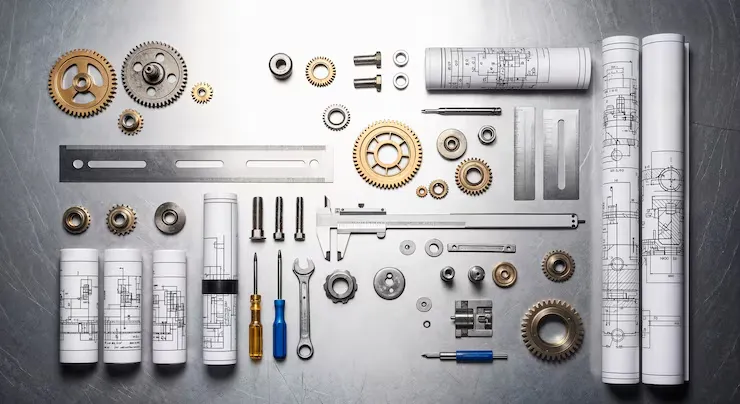
Shop Tools That Make Precision Machining Less Complicated

How Digital Business Solutions Drive Modern Brand Growth: The Ultimate Guide